striation
noun striation
straɪˈeɪʃn
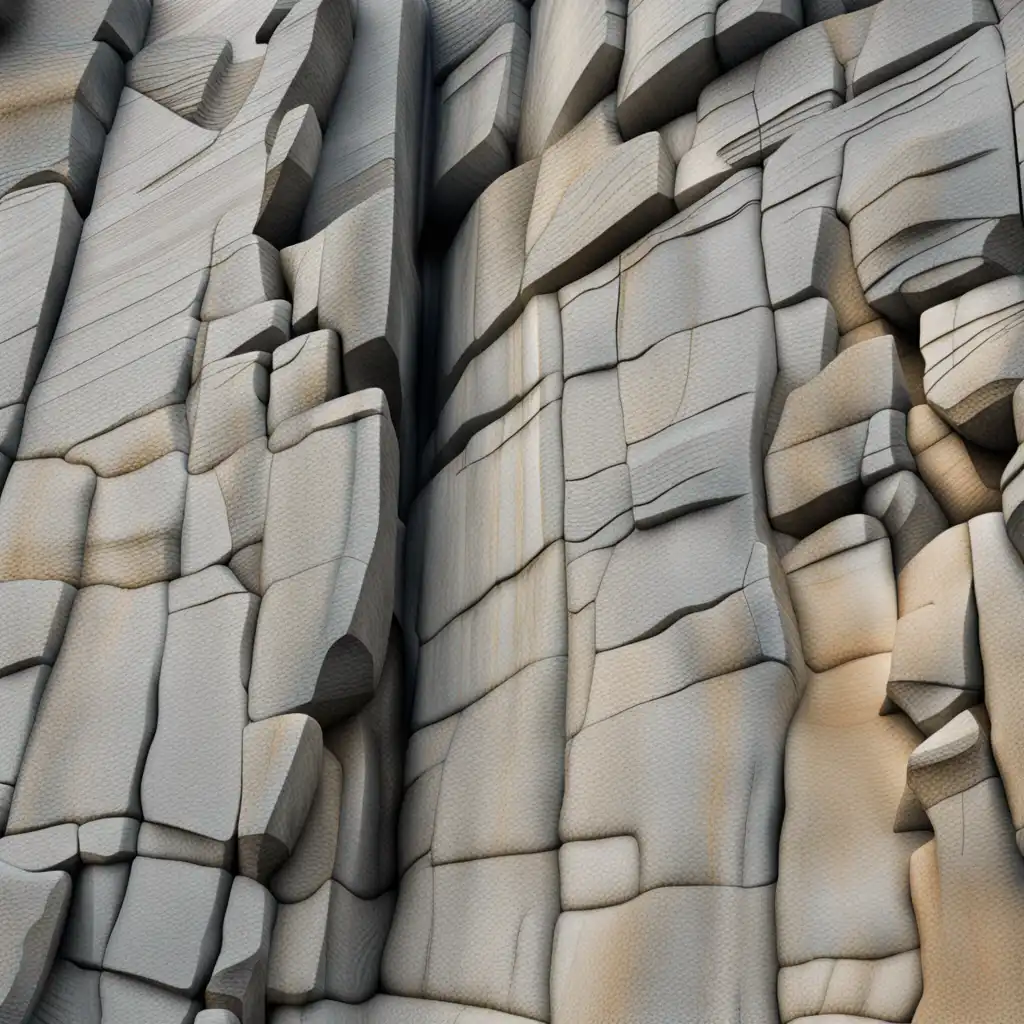
A series of linear marks, ridges, or grooves on a surface
The striations on the rock face indicate glacial activity.
striation
straɪˈeɪʃn
Loading…
straɪˈeɪʃn
A series of linear marks, ridges, or grooves on a surface
The striations on the rock face indicate glacial activity.
straɪˈeɪʃn
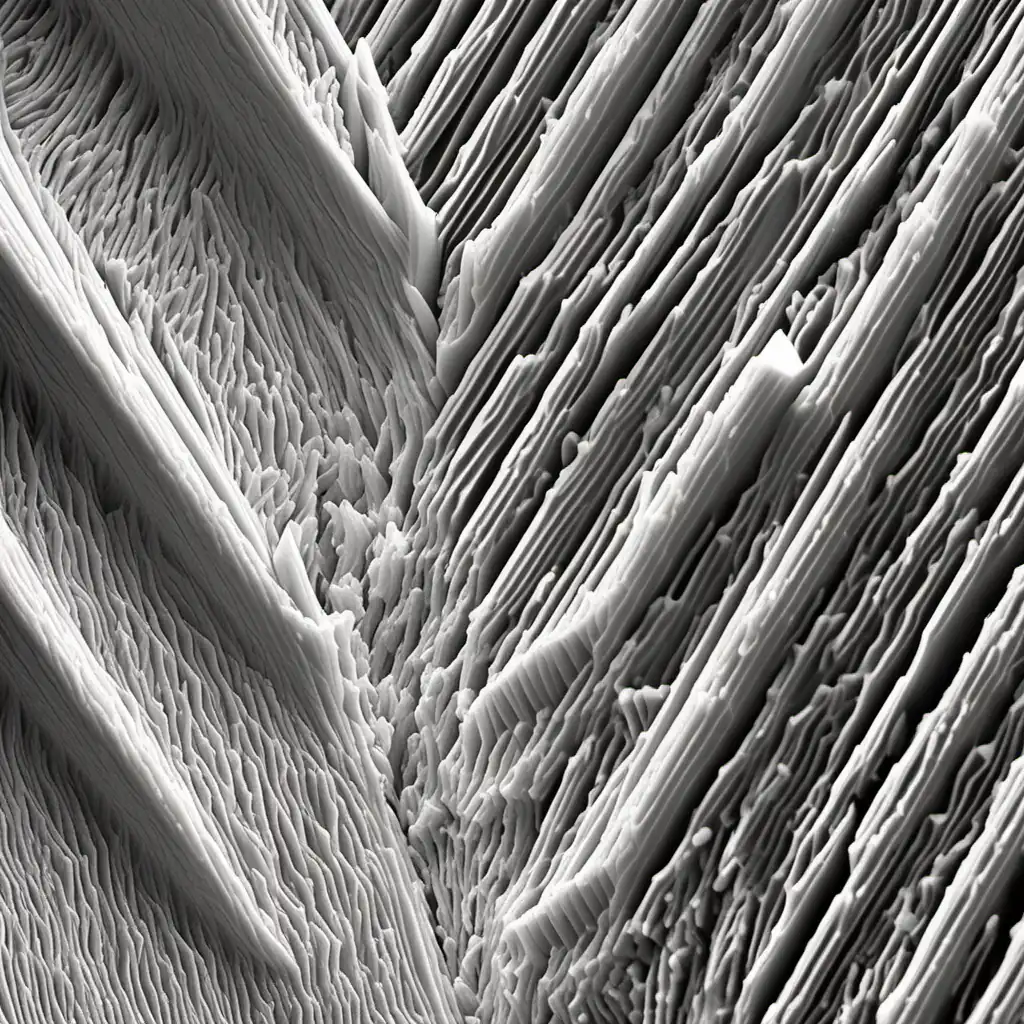
Parallel submicroscopic grooves and ridges formed on crystal surfaces
The microscopic examination showed striations on the crystal surface.
straɪˈeɪʃn
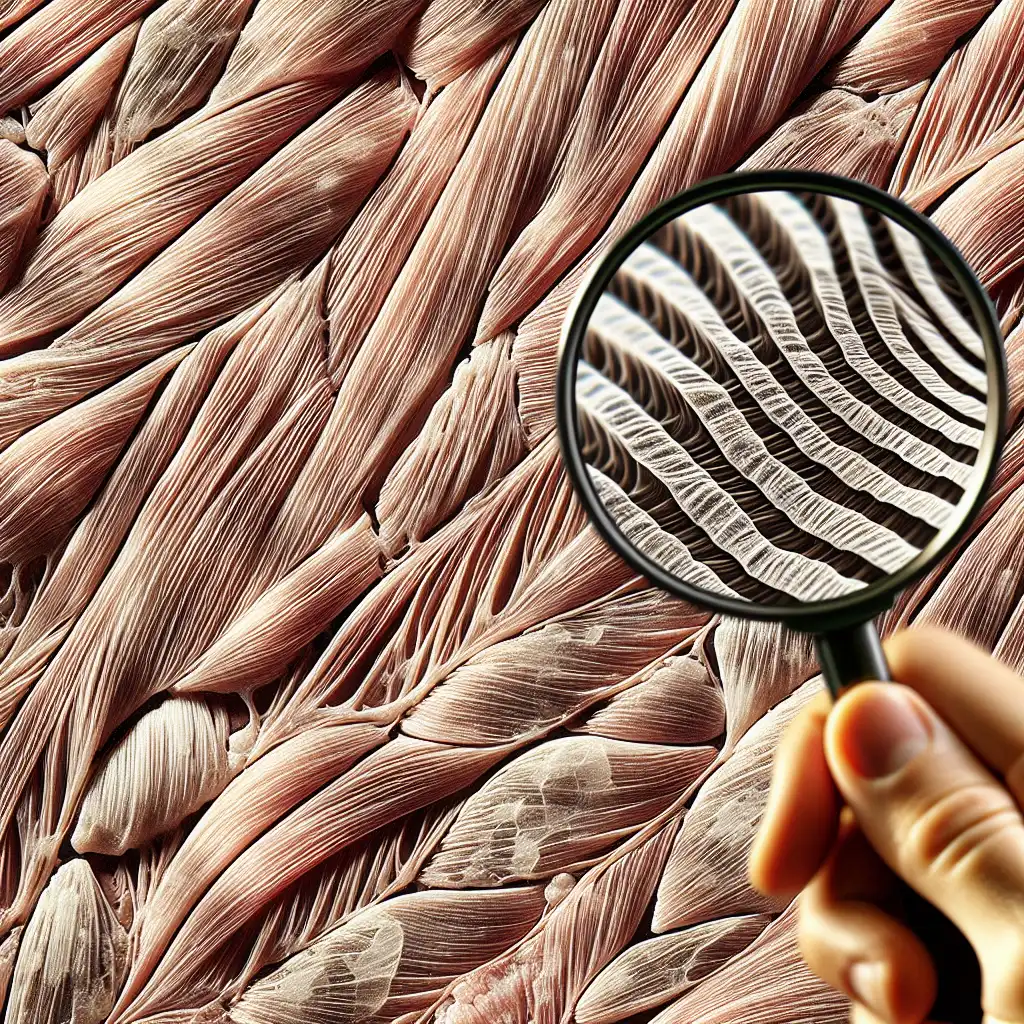
The alternating dark and light bands seen in skeletal muscle fibers under a microscope
The striations in the skeletal muscle fibers help in their contraction and relaxation.
Audio could not be loaded. Please try again later.
The word 'striation' is used in biology and geology to refer to thin, parallel lines or grooves that are visible on a surface. For example, you might use the word "striation" to describe the grooves you see on a rock or the lines on a muscle fiber. In general, the word is used to describe lines or patterns that are visible on a surface and are caused by some kind of natural process or force.
Furrow and striation are both words used to describe grooves or lines on a surface.
Furrows are often used to describe grooves in soil, as in a plowed field. They can also refer to wrinkles or creases on a person's face or forehead.
Furrow is a more general term that can be used in a variety of settings, while striation tends to be more specific and scientific.
Open word: Furrow →A groove is a shallow cut or depression in a surface whereas striation refers to a series of ridges, furrows or linear marks.
Groove usually describes a long, narrow cut in a surface, such as in a vinyl record or a road.
A groove is a visible cut or depression, while striation refers to a series of marks or lines on a surface.
Open word: Groove →Indentation refers to a depression or groove on a surface, while striation refers to a series of ridges or grooves on a surface.
For example, a dent or scratch on a car would be considered an indentation, while the stripes on a tiger's fur would be considered striations.
Indentations can occur from physical force, such as a hammer hitting a surface, while striations often occur naturally, such as from the movement of glaciers or the flow of water over rocks.
Indentation refers to a single depression or groove, while striation refers to a series of ridges or grooves on a surface.
Open word: Indentation →Line refers to a path or mark that is straight and continuous.
It can be vertical, horizontal, or diagonal. For example, a line drawn on a piece of paper is an example of a line. It is applicable in geometry, art, and everyday life.
The word striation refers to a series of lines or ridges that are parallel to each other. These are usually found on surfaces such as rocks, muscles, and leaves.
Unlike lines, striations are not straight and can have different lengths and shapes. It is applicable in geology, biology, and anatomy.
In summary, while both words refer to a form of linear marking, a line is straight and continuous, while striation is a series of parallel lines or ridges.
Open word: Line →Mark generally refers to any visible sign or indication on a surface. This could be a stain, a scratch or any other form of noticeable impression.
A mark is a more general term that can refer to any visible indication on a surface, while a striation is a specific type of mark that consists of parallel or curvilinear lines.
A mark can be caused by a multitude of factors, while striations are specifically formed by a particular type of force or movement.
Open word: Mark →A ridge is a long and narrow raised area, while striation is a series of ridges or grooves on a surface.
Ridges can be found in many natural formations, such as mountain ranges or the ridges on a person's fingerprints. Striations are often found on surfaces that have been scratched or cut, such as when a rock is dragged across a surface, leaving grooves or scratches.
A ridge is a raised area while striation is a series of ridges or grooves on a surface.
Open word: Ridge →Streak refers to a line or mark that is thin and continuous.
It can be a color, texture, or something like a scratch or smear. For example, you might notice streaks of green in a rock, or streaks of mud on a car after driving through a puddle.
Streak describes a single line or mark, while striation implies a series of closely spaced lines or grooves.
Open word: Streak →Stripe refers to a broader and more distinct line or band of color or material, often used to identify or distinguish something, like the stripes on a zebra or the stripes on a military uniform.
Striation is applicable in scientific contexts, such as biology and geology, while stripe is commonly used in fashion and design or to describe animal patterns.
Open word: Stripe →