
eccentricity
noun eccentricity
ˌeksenˈtrɪsəti
The quality of being strange or unusual in behavior
His eccentricity is what makes him so unique
eccentricity
ˌeksenˈtrɪsəti
加载中…
ˌeksenˈtrɪsəti
The quality of being strange or unusual in behavior
His eccentricity is what makes him so unique
ˌeksenˈtrɪsəti
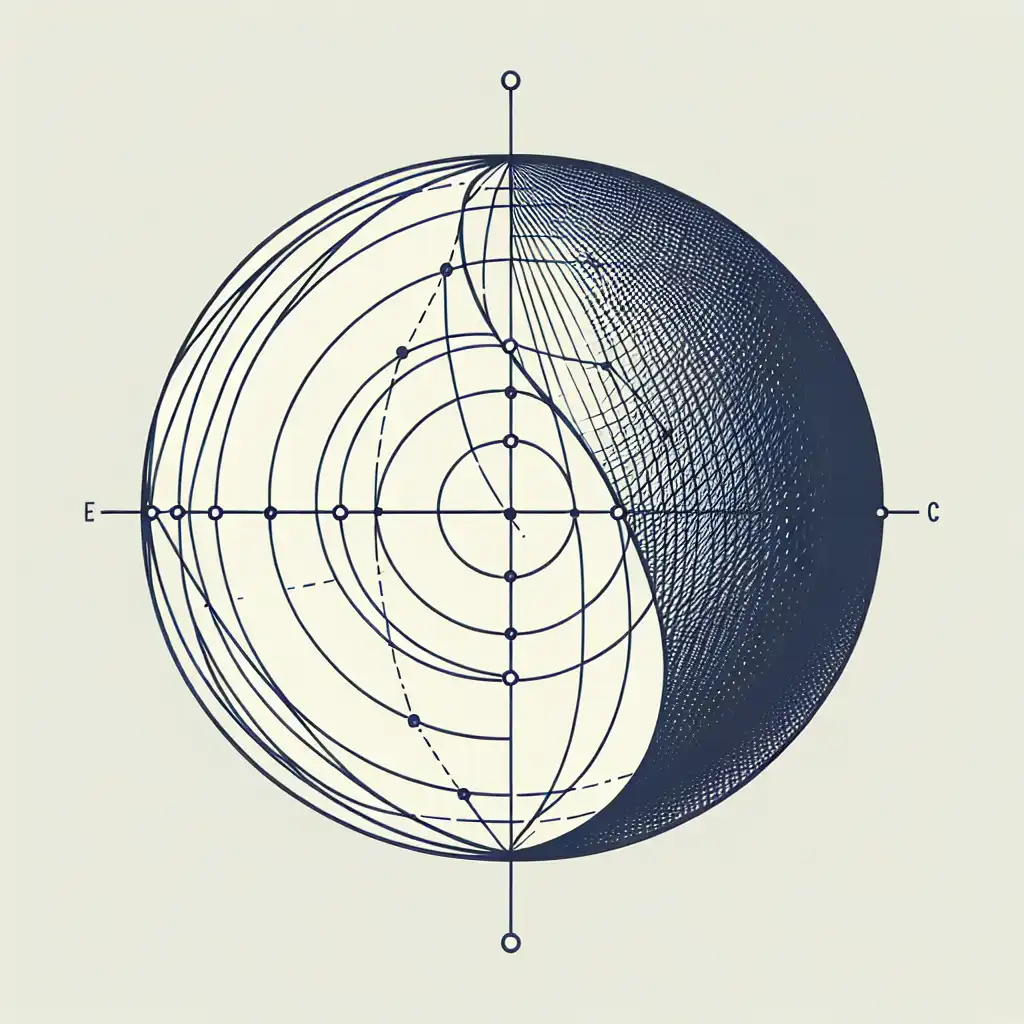
In mathematics and physics, a measure of how much a conic (like a circle or ellipse) differs from being circular
The eccentricity of an ellipse is a measure of how 'elongated' it is in comparison to a circle
ˌeksenˈtrɪsəti
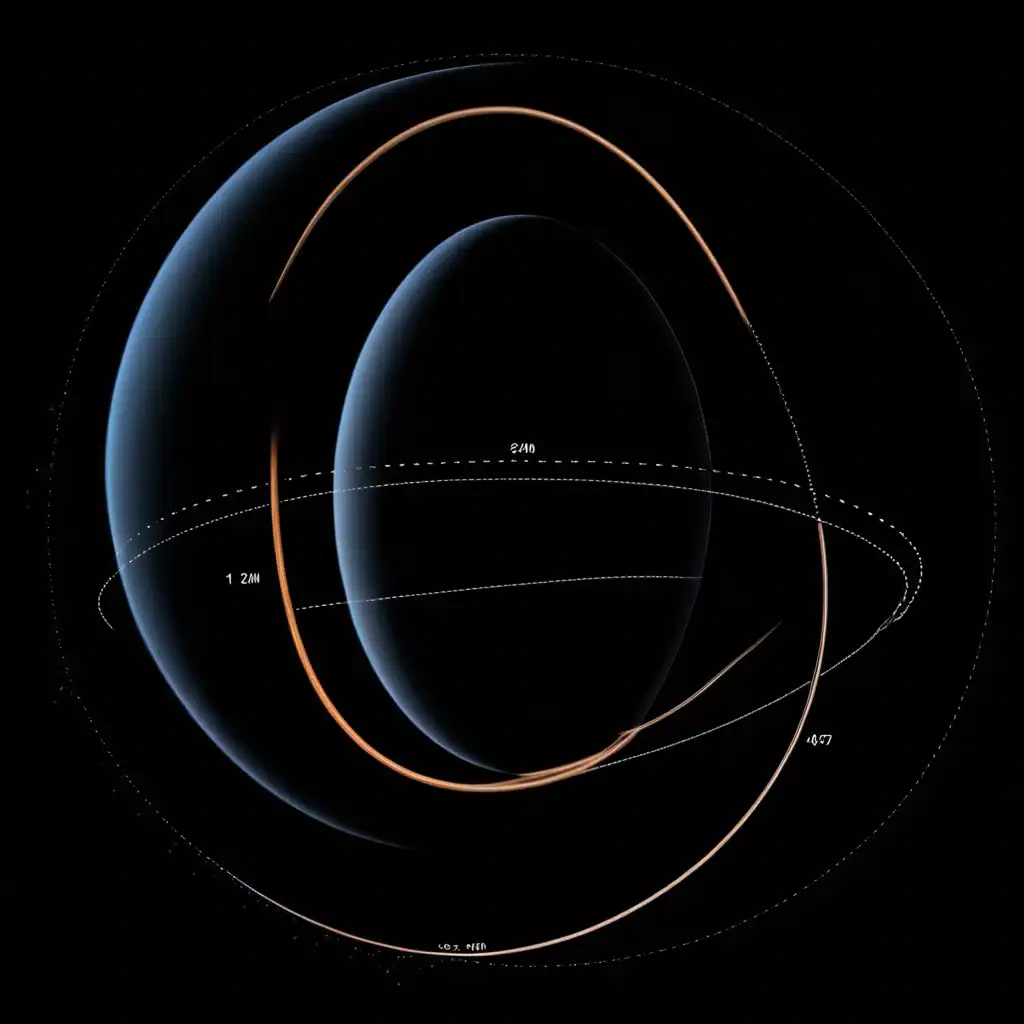
In astronomy, a factor that describes the shape of an orbit
The eccentricity of a planet's orbit influences its climate over time
音频无法加载,请稍后再试。
Eccentricity is a word that is used to describe someone or something that is unusual, strange, or quirky in an interesting way. For example, if someone has an eccentric personality, it means that they have different habits or ways of thinking than most people, which can be both intriguing and entertaining. Alternatively, in math or physics, eccentricity is a measurement of the shape of an ellipse or circular path. This term can also be used to describe behaviors or choices that are considered deviant or atypical. It is important to use context when determining which definition of the word is being used.
Abnormality refers to something that deviates from what is usual or expected, and it can describe various things: a physical or mental condition that differs from the norm, an event that is out of the ordinary, etc.
So, while abnormality can be seen as a broader term, eccentricity is more specific to describing a certain kind of individuality.
打开单词: Abnormality →Deviate refers to diverging from a usual or expected course, while eccentricity refers to unconventional or strange behavior.
For example, if a student always gets A's in math but suddenly starts getting C's, they are deviating from their usual academic performance.
Deviate is applicable when discussing a deviation from a norm or expected behavior, while eccentricity is applicable when discussing behavior that is unconventional or eccentric.
打开单词: Deviate →Eccentricity and oddity are both words used to describe something that is unusual or unconventional, but they have slightly different meanings.
Oddity has a slightly more negative connotation and refers to things that are strange or weird.
Eccentricity is a more positive and lighthearted term that can be used to celebrate individuality and creativity, while oddity suggests something that is more puzzling or concerning.
打开单词: Oddity →Eccentricity is a trait or behavior that is unusual or unconventional while peculiarities refer to the specific unique characteristics of a person or thing.
Peculiarity refers to a specific characteristic that sets something or someone apart from others. For example, a person's unique way of speaking or a characteristic feature of a particular animal species.
打开单词: Peculiarity →Quirky refers to something or someone that is odd, peculiar, or unpredictable and may have an unusual behavior or personality that is seen as unorthodox or weird.
Overall, both terms refer to behavior that deviates from the norm, but eccentricity carries a more positive connotation, while quirky may be more neutral or even negative, depending on the context.
打开单词: Quirky →Eccentricity refers to behavior or ideas that are unconventional or different from what is considered normal or expected, while strange refers to something that is unusual or unfamiliar.
Eccentricity can describe someone who has unique interests or ways of thinking, while strange can describe something that is mysterious or unsettling.
Eccentricity is often seen as a positive trait, while strange can sometimes have negative connotations.
打开单词: Strange →Unique refers to something that is one-of-a-kind or unlike anything else.
For example, a painting by a famous artist, a diamond that has a rare color or shape, or a song that no one else has ever written could all be considered unique.
Eccentricity refers to unconventional behavior or qualities, while unique refers to things that are one-of-a-kind or unlike anything else.
打开单词: Unique →Weird refers to something that is odd, strange or unusual in a negative way. It is applicable to situations or things that are abnormal or unsettling.
For example, a haunted house or a horror movie could be described as weird.
Eccentricity is seen as a positive trait while being weird is seen as negative - this is because something that is eccentric is quirky and interesting, while something that is weird can be uncomfortable or unfathomable.
打开单词: Weird →The Sun’s surprising...
在 YouTube 上观看 ↗I adore Britain! It's my favourite country; I love their eccentricity. I find Britain so inspiring.
Say your truths and seek...
在 YouTube 上观看 ↗Eccentricity has never been discouraged in our family.
The amount of eccentricity in a society has generally been proportional to the amount of genius, mental vigor, and moral courage it contained. That so few now dare to be eccentric marks the chief danger of the time.
When a director narrates a character, I find it normal to ask questions about the character's background, mood swings, eccentricities, behaviour... I do this to make my performance relatable. Directors who don't know their characters well find it difficult to answer these questions and, hence, find me annoying.
I am trying to cultivate the notion that constantly misplacing one's cell phone is a charming eccentricity... my children aren't buying it.
Probably I have more phobias, fear and eccentricities than I would care to admit. I don't think I'm in danger of losing my mind, but I do often question my own behavior. I have a very bad temper, and it's not always healthy for me and for others. I make my way in the world more difficult, and I could do with a little more yoga.
I find only freedom in the realms of eccentricity.
Graphic design is the paradise of individuality, eccentricity, heresy, abnormality, hobbies and humors.
A civilized society is one which tolerates eccentricity to the point of doubtful sanity.
My eccentricity became direction.