deflection
noun deflection
dɪˈflekʃn
A change of course or direction
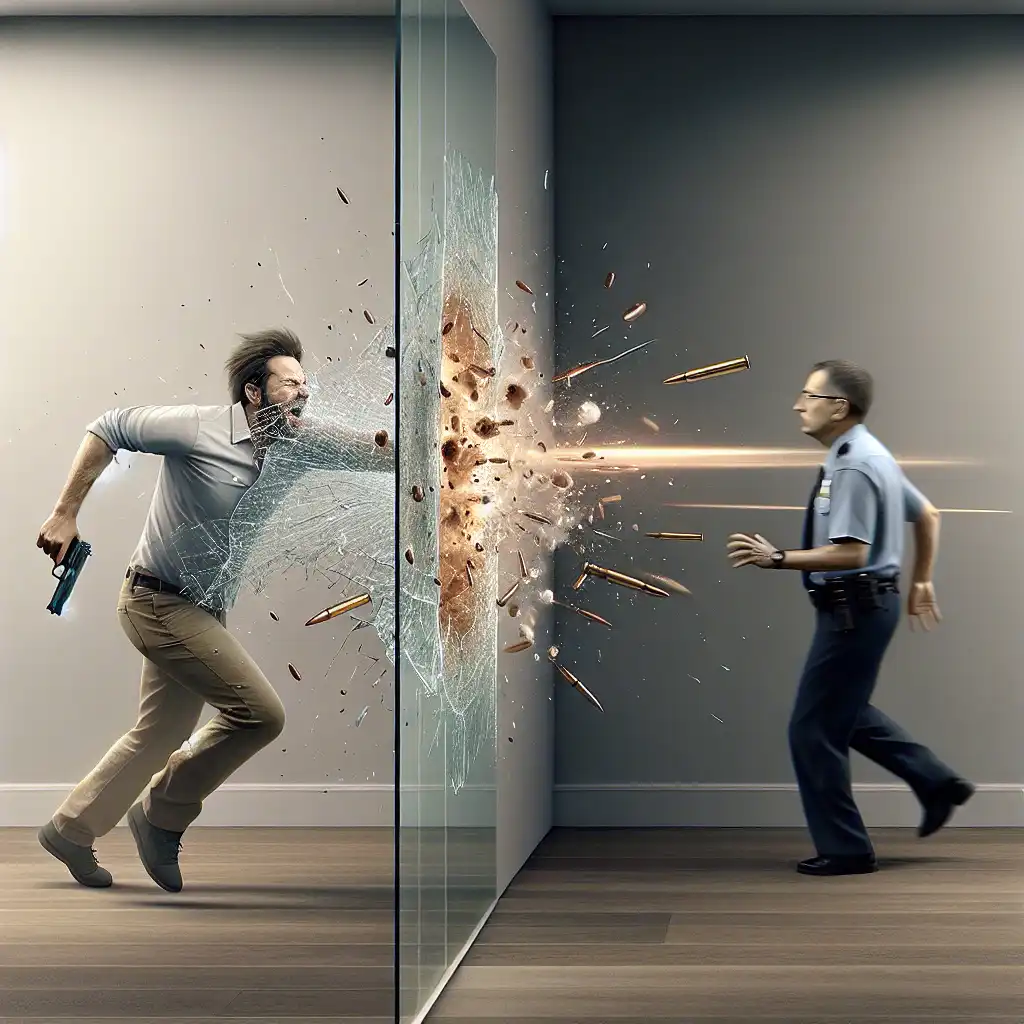
The bullet's deflection by the glass saved his life.
deflection
dɪˈflekʃn
加载中…
dɪˈflekʃn
A change of course or direction
The bullet's deflection by the glass saved his life.
dɪˈflekʃn
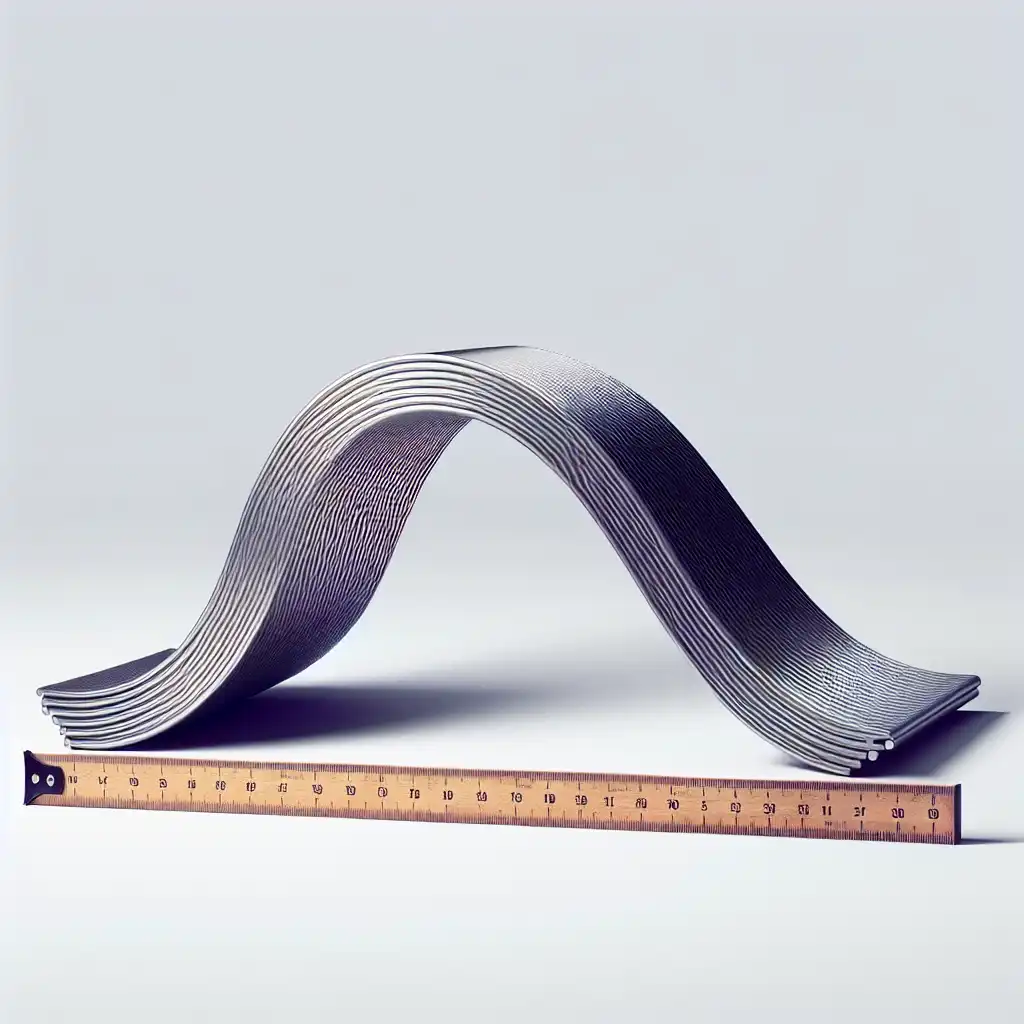
The amount by which something bends from a straight line or position
The deflection of the beam was calculated using equations.

dɪˈflekʃn
The action of deflecting or turning aside
His deflection of the question didn't go unnoticed.
音频无法加载,请稍后再试。
The word 'deflection' means a change in direction or a deviation from the original path. It can be used in different contexts, such as when something is moved or pushed to a different direction or when someone distracts or redirects attention away from a topic. For example, a soccer player can deflect the ball with their head, a politician can deflect a question during an interview, or a scientist can deflect light using a prism. Essentially, deflection means a redirection from the original course or direction towards something else.
Deviate means to stray or depart from a set course or norm. It refers to a deliberate choice to go off in a different direction or take a different approach.
It can also refer to accidental deviations, such as a plane being blown off course by strong winds.
Deflection refers to a change in direction or path caused by external forces, while deviate refers to a intentional or accidental departure from a set course or norm.
打开单词: Deviate →Deflection refers to the act of changing the direction or path of something or someone, whereas digression is the act of straying away from the main topic or idea being discussed.
For example, in sports, deflection is used when a player blocks a ball away from its original path, while digression is used when someone goes off-topic during a conversation.
Deflection is applicable when there is a need to change the direction of something, while digression is applicable when someone veers off-topic during a conversation or discussion.
打开单词: Digression →Distraction refers to something that pulls your attention away from what you should be focusing on. This can happen in various ways, such as via a noisy environment, electronic devices, or even your own thoughts.
In general, distractions are seen as a hindrance to productivity and can prevent you from completing tasks efficiently.
Deflection is about shifting blame or attention away from a specific topic, while distraction refers to something that causes your attention to stray from what you're trying to accomplish.
打开单词: Distraction →Deflection and diversion are both words that describe changing the direction of something, but they are applied in different contexts.
Diversion is usually applied in the context of redirecting attention or resources from one task or goal to another, such as when an emergency occurs and emergency responders must divert their attention and resources to mitigate the crisis.
In simpler terms, deflection is when something physical changes direction due to an external force, while diversion is when attention or resources are redirected from one task or goal to another.
打开单词: Diversion →Oblique refers to something that is not direct or straightforward, but rather at an angle or slanting. It is applicable when describing a situation, statement, or action that is indirect or not straightforward.
Deflection is about changing the direction or path of an object or force, while oblique pertains to something that is not direct or straightforward in nature.
打开单词: Oblique →Deflection and swing both refer to movements or changes in direction, but they have slightly different connotations and applications.
Swing often implies a more intentional or deliberate movement.
It can refer to a back-and-forth movement, such as swinging on a swing set or a golfer's swing.
Swing can also refer to a sudden change in direction or momentum, such as a political or economic swing.
Deflection tends to refer to more passive or reactive changes in direction, while swing refers to more active or intentional changes.
打开单词: Swing →Turn refers to the act of rotating or changing the direction of movement. For example, when a car turns a corner, it changes direction.
Turn also describes a change in position, such as when a person turns their head or a ship turns to a new heading.
Both words describe a change in direction, but deflection is more specific to the change in direction of something that is already in motion, while turn can describe any change in direction, whether in motion or not.
打开单词: Turn →Veer refers to a sudden change of direction or course, usually without any obvious cause. For example, a car on a straight road may veer to the left or right unexpectedly, due to a fault in the steering or road conditions.
Deflection is a change of direction caused by an external force or obstruction, while veer is a sudden change of direction without an obvious cause.
Deflection is applicable in situations where the movement can be explained by a force or obstruction, while veer is applicable in situations where the movement is unpredictable or sudden.
打开单词: Veer →Football physics: The...
在 YouTube 上观看 ↗A friend of mine once earnestly said to his girlfriend, 'You look so pretty tonight,' and she replied, 'You're such a dork.' Her deflection was a total turn-off. It didn't make him feel attractive, nor did it encourage him to keep complimenting her.
How radio telescopes...
在 YouTube 上观看 ↗On sand, you can never be sure of anything. An ordinary shot can take a wicked deflection at the last moment.
Blast-Proof Plane %\PIPE%...
在 YouTube 上观看 ↗The ball touched the paint a lot of times. When we talk about touching the paint, the ball touches the key for making a layup or making a play for a teammate. We've got to use our length and our speed. Defensively, getting deflections. Give up one shot and rebound.
Men seek for vocabularies that are reflections of reality. To this end, they must develop vocabularies that are selections of reality. And any selection of reality must, in certain circumstances, function as a deflection of reality.
You play well, you feel comfortable, then you lose via a deflection or an individual mistake and you feel robbed.
You don't contest shots without expending energy. You don't get deflections - unless you walk into one every now and then - without expending energy. These are the things in basketball you have to really want to do.
Think about the deflections. The offense can't score every play. They're just trying to get a good shot. If I can deflect a pass, even if it doesn't cause a turnover, it will throw their timing off half-a-second. That half-a-second might mess up their shot.