brahman
noun brahman
ˈbrɑːmən
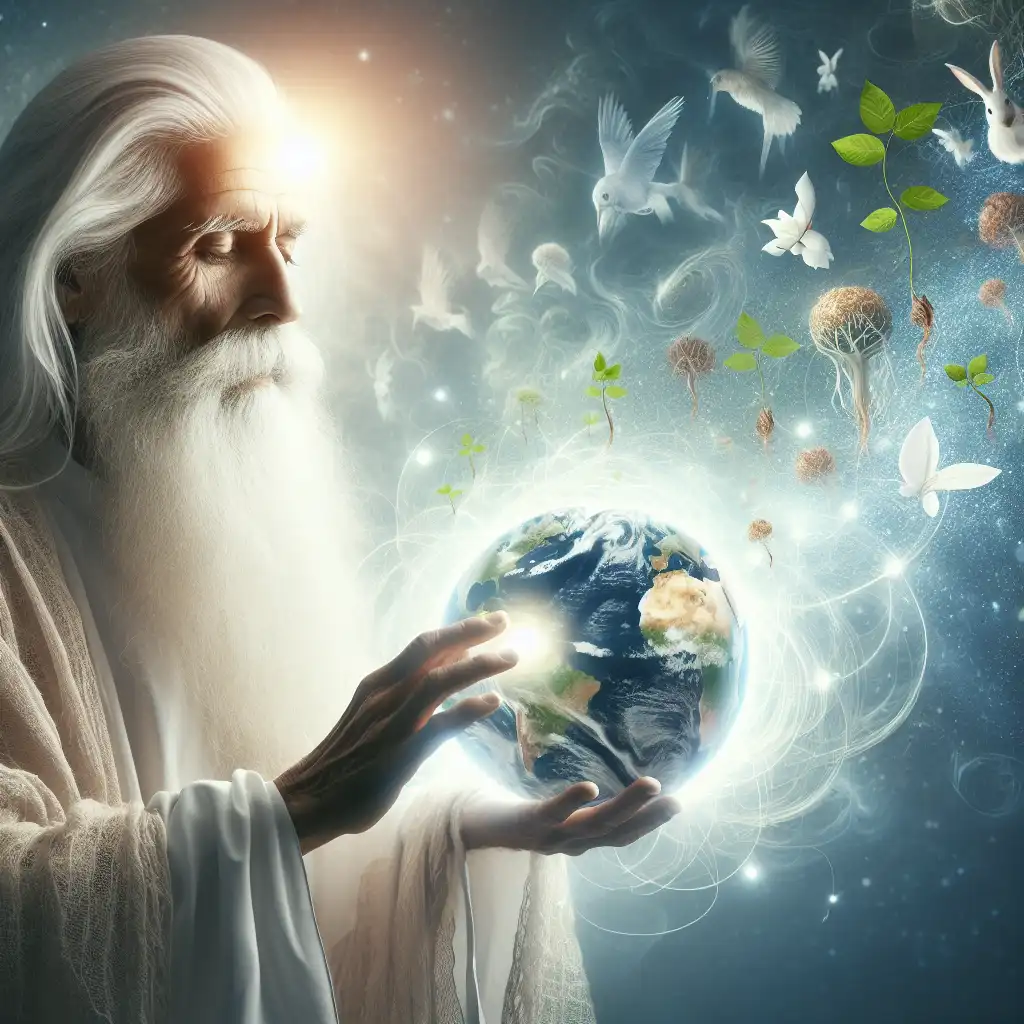
The highest ranking Hindu god who created the world and all things in it.
In Hindu theology, it is Brahma who was the originator of all life forms.
brahman
ˈbrɑːmən
Loading…
ˈbrɑːmən
The highest ranking Hindu god who created the world and all things in it.
In Hindu theology, it is Brahma who was the originator of all life forms.

ˈbrɑːmən
A Hindu priest or religious scholar.
The Brahman conducted the religious ceremonies and rituals.

ˈbrɑːmən
The ultimate, unchanging reality in the universe, according to Hindu philosophy.
In Hindu philosophy, attaining the realization of Brahman is the ultimate goal.
ˈbrɑːmən
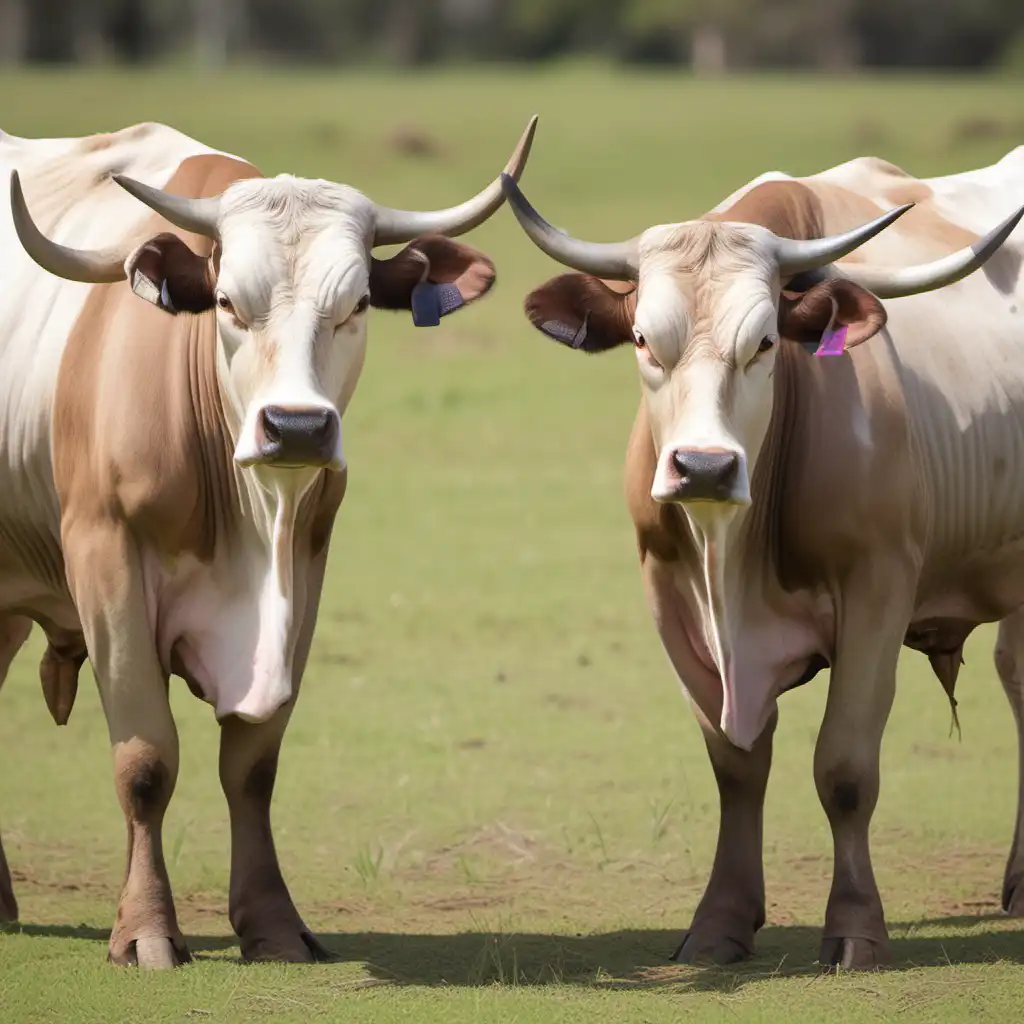
A breed of cattle that is often used in the beef industry.
The farmer decided to purchase a couple of Brahmans for his livestock.
Audio could not be loaded. Please try again later.
The word 'Brahman' has different meanings depending on the context in which it is used. In Hinduism, it is used to refer to the ultimate reality, the absolute consciousness or the supreme being. It is also used to refer to the highest caste in the Hindu caste system.In modern English, 'Brahman' is used to refer to a breed of cattle that originates from India. 'Brahman' can also be used as a name for a person or a pet, but this is less common.If you hear the word 'Brahman' in the context of a spiritual or religious conversation, it is likely referring to the supreme being in Hinduism. On the other hand, if you hear 'Brahman' used in a conversation about cattle, it is most likely referring to the breed of cattle.It is always important to consider the context in which a word is being used to fully understand its meaning.
Brahman and Brahmin are two different words that are related to Hinduism.
Brahmin refers to a member of the highest caste in Hinduism. They are traditionally priests who perform religious rituals and ceremonies.
Brahmins are supposed to possess knowledge of the Vedas, which are the Hindu scriptures.
In short, Brahman is a philosophical concept that pertains to the nature of existence, while Brahmin refers to a group of people within the Hindu social hierarchy.
Open word: Brahmin →Mystic refers to a person who seeks a firsthand experience of the divine or the ultimate reality. Mystic practices vary across different religions and cultures but often involve meditation, prayer, or other forms of inward contemplation.
Therefore, while Brahma is a concept that represents the ultimate reality and consciousness of the universe, a mystic is a person who seeks a firsthand experience of the divine or the ultimate reality.
Brahma is more of an abstract concept or belief, whereas mysticism is a personal experience or practice.
Open word: Mystic →A philosopher is someone who studies and seeks to understand the fundamental nature of knowledge, reality, and existence.
In essence, Brahman is a religious concept while philosopher is an academic pursuit.
Open word: Philosopher →Sage refers to a wise person or teacher who has gained spiritual or philosophical knowledge through study and contemplation.
Sages are often respected figures in various religious traditions and are viewed as guides or mentors for those seeking spiritual growth or enlightenment.
Brahman is a concept or principle, while sage is a person who embodies wisdom and understanding. Brahman is applicable in a theological or philosophical context, while sage is applicable in a more practical or personal sense.
Open word: Sage →Brahman and Yogi are two different concepts from the Indian tradition. Brahman refers to the ultimate, eternal and infinite reality that pervades everything in the universe.
A Yogi is a person who practices yoga, a discipline that includes physical postures, breathing exercises, and meditation to achieve a state of physical, mental and spiritual well-being.
Yogis are people who are committed to the pursuit of spiritual development and enlightenment.
In summary, Brahman is a spiritual concept while a Yogi is a person who pursues spiritual development. Brahman is applicable to Hindu philosophy while a Yogi is applicable to anyone who practices yoga.
Open word: Yogi →The mind itself is of the form of all, i.e., of soul, God and world; when it becomes of the form of the Self through knowledge, there is release, which is of the nature of Brahman: this is the teaching.