proboscis
noun proboscis
prəʊˈbɑːsɪs,prəʊˈbɑːskɪs
Long, flexible nose or snout on some animals
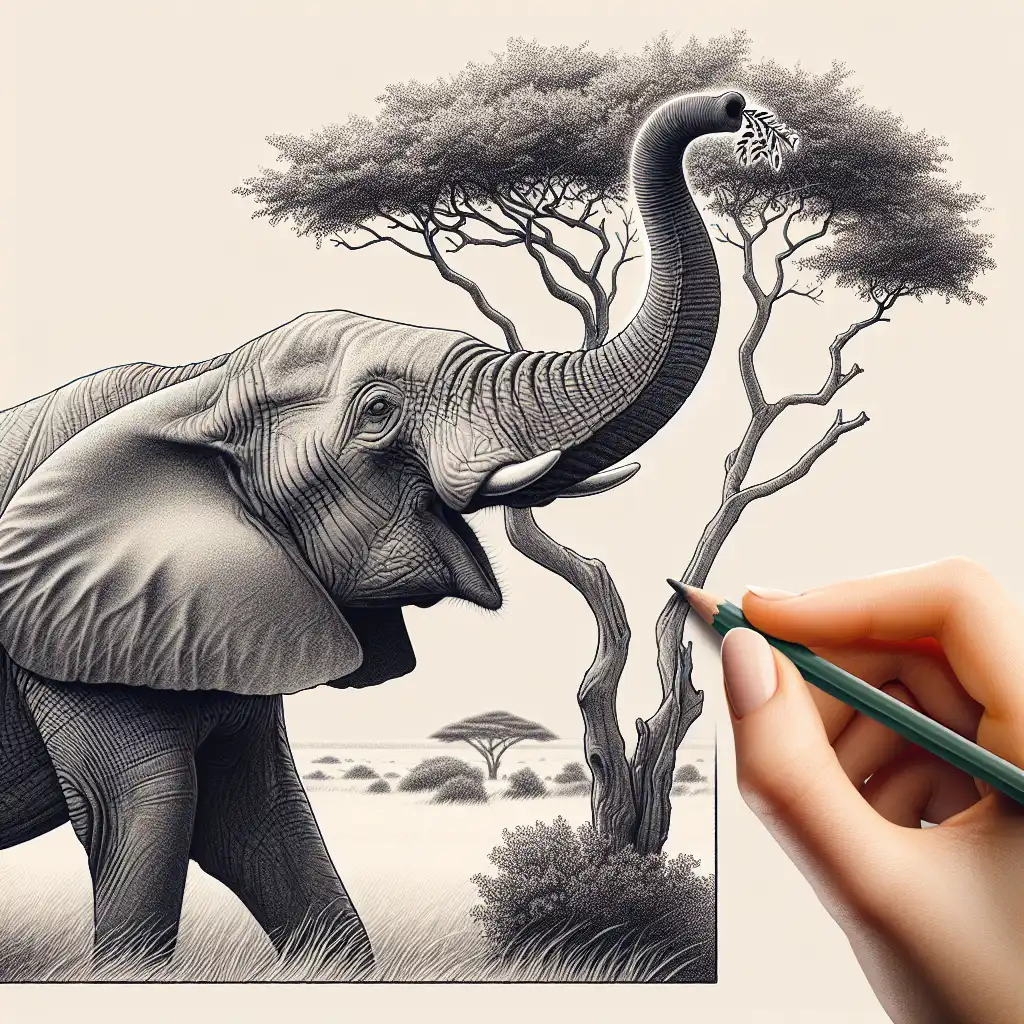
The elephant uses its proboscis, or trunk, to get food.
proboscis
prəʊˈbɑːsɪs,prəʊˈbɑːskɪs
Cargando…
prəʊˈbɑːsɪs,prəʊˈbɑːskɪs
Long, flexible nose or snout on some animals
The elephant uses its proboscis, or trunk, to get food.
prəʊˈbɑːsɪs,prəʊˈbɑːskɪs
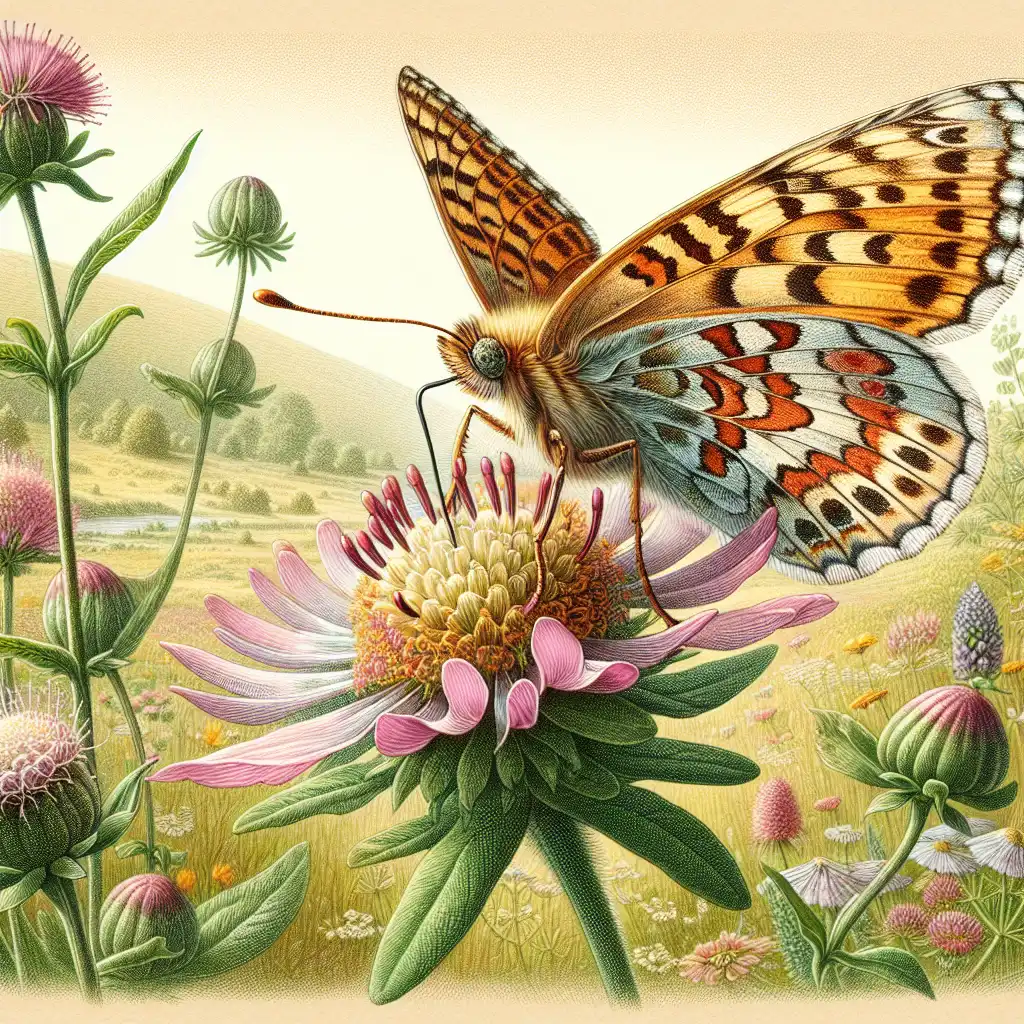
In some insects, a long, thin structure that is used for feeding
The butterfly uses its proboscis to take nectar from flowers.

prəʊˈbɑːsɪs,prəʊˈbɑːskɪs
In medical context, a nose that is longer than normal
The patient has a severe case of proboscis, causing breathing difficulties.

prəʊˈbɑːsɪs,prəʊˈbɑːskɪs
Long, slim device or part of a device
The spacecraft's proboscis, or docking port, extended to connect with the space station.
No se pudo cargar el audio. Inténtalo de nuevo más tarde.
Proboscis is a word that refers to a long nose or snout, like the kind you might see on an elephant or an insect. It is usually used in a scientific or technical context, such as when talking about the anatomy of animals or insects. It is not a word that is commonly used in everyday conversation, but you may come across it in books or movies that involve animals or insects.
Antenna is a sensory organ that is found on the heads of insects, crustaceans and some other animals.
It is used for sensing the environment around them, such as for detecting food, mates etc. Antennae are generally thin, segmented, and flexible structures that are found in pairs.
In summary, antennas are used for detection, while a proboscis is used for feeding. Antennas are applicable to insects, while proboscis is applicable to a few insects and animals.
Abrir palabra: Antenna →Appendage refers to any external part or structure that extends from the body of an organism. This could include legs, wings, arms, or antennae.
So while appendage can refer to a wide range of body parts that extend from an organism, proboscis specifically refers to a mouth/snout-based extension used for functions like feeding or sensing.
Abrir palabra: Appendage →A beak is a hard curved structure that is made up of bone, cartilage, and keratin found on the face of some animals such as birds, turtles, and some mammals.
A beak is a hard structure used by animals for grasping and tearing food while a proboscis is a tube-like structure used for feeding and extracting nectar from flowers or fruits.
Abrir palabra: Beak →Muzzle refers to the mouth and nose area of an animal, particularly a dog, horse, or other large mammal.
Abrir palabra: Muzzle →Both nose and proboscis are terms used for the organ used for smelling in humans and animals.
However, nose is typically used for the organ in humans and some animals such as dogs and cats, while proboscis is commonly used for the elongated nose-like appendage on certain animals such as elephants, anteaters, and butterflies.
Nose is applicable to humans, dogs, cats, and other animals with shorter noses, while proboscis is applicable to animals with long noses or nose-like appendages.
Abrir palabra: Nose →Proboscis and snout are both words used to describe the nose or mouth area of an animal.
Snout is a term used to describe the nose and mouth area of many different animals, including dogs, pigs, and anteaters.
To sum up, proboscis refers to a long and specialized nose, typically found on insects, while snout is a more general term used to describe the nose and mouth area of various animals.
Abrir palabra: Snout →Proboscis and trunk are both words used to describe long, tubular body parts of certain animals.
Proboscis usually refers to a long, flexible nose or snout found on insects, arthropods, and some mammals. For example, a mosquito's proboscis is used for feeding on blood, while an elephant's trunk is used for grasping food and water.
Trunk usually refers to the long, cylindrical nose of elephants and other animals, such as tapirs and some species of anteaters.
Proboscis is typically used to describe the long noses of insects, arthropods, and some mammals, while trunk is typically used to describe the long noses of elephants, tapirs, and certain fish.
Abrir palabra: Trunk →The loathsome lethal...
Ver en YouTube ↗Finding Baby Seals on an...
Ver en YouTube ↗Killer Cone Snails %\PIPE%...
Ver en YouTube ↗Jonathan Drori: The...
Ver en YouTube ↗Encouraging curiosity-dri...
Ver en YouTube ↗Elephant Seal on the...
Ver en YouTube ↗Poison in a Cone %\PIPE%...
Ver en YouTube ↗Proboscis Monkey %\PIPE% Wild...
Ver en YouTube ↗Ross Lovegrove: The...
Ver en YouTube ↗The beautiful tricks of...
Ver en YouTube ↗