locale
noun locale
ləʊˈkæl
A place where something happens or is set, or that has particular events associated with it.
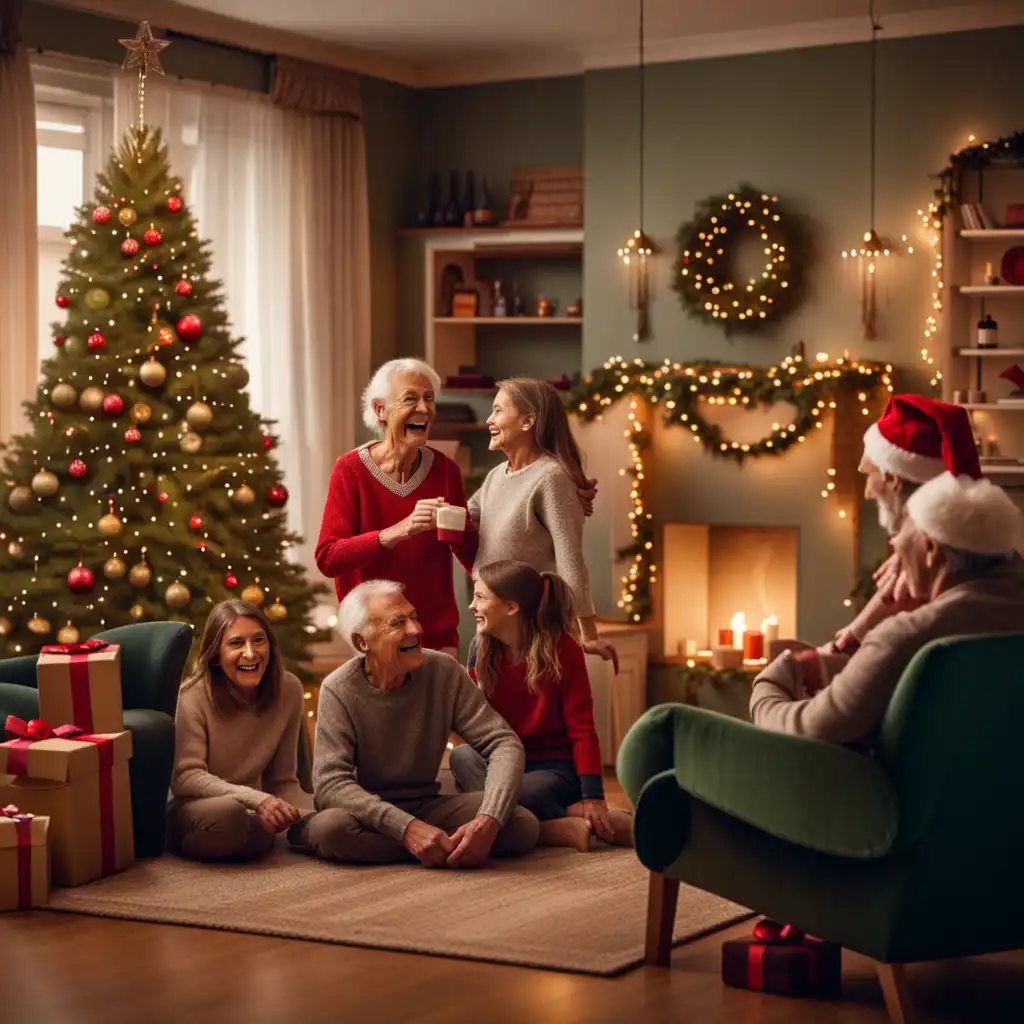
My family always celebrates Christmas in the cozy locale of our grandparents' house.
locale
ləʊˈkæl
読み込み中…
ləʊˈkæl
A place where something happens or is set, or that has particular events associated with it.
My family always celebrates Christmas in the cozy locale of our grandparents' house.

ləʊˈkæl
In computing, it's the set of parameters that defines the user's language, country and any special variant preferences that the user wants to see in their user interface.
The website automatically adapts to your browser's locale setting.
音声を読み込めませんでした。しばらくしてからもう一度お試しください。
The word 'locale' means a particular place or setting where things happen. For example, if someone says "the locale of this story is New York City," it means the story is set in New York City. It can also be used to describe where something is happening, like "the film was shot on location in a beautiful Italian locale." Overall, 'locale' is used to describe a specific place where something takes place or is situated.
Area refers to a general region or space, while the word locale refers to a specific place or location within that area.
For example, New York City is an area, but Times Square is a locale within that area. Area is applicable when referring to a general region, while locale is applicable when referring to a specific place within that region.
単語を開く: Area →Environment refers to the natural surroundings or conditions in which someone or something lives or operates.
It can be applied in any context related to nature, such as the environment of a forest, a city, or a river.
Locale refers to a specific place, often within a larger environment. It is a more specific term than environment and usually refers to a location or setting in which something happens.
For example, the locale of a story might be a small town or a specific building, while the environment might be the natural surroundings around that town or building.
Environment refers to the larger natural surroundings, while locale refers to a specific place or setting within that environment.
単語を開く: Environment →Location simply refers to a specific place or position, usually in relation to other places or landmarks. It is more general and can apply to any area, whether it has unique characteristics or not.
So, while locale implies a specific cultural or environmental context, location simply refers to a physical position. For example, you could say "The locale of this story is a small town in the Midwest," but you would say "The location of the grocery store is on Main Street.".
単語を開く: Location →Place generally refers to a specific location or spot.
It can be used more broadly than locale and can refer to any space, whether it has distinct characteristics or not. For example, a shopping mall might be referred to as a place where people go to buy goods.
The main difference between locale and place is that locale refers to a specific area with unique features or characteristics, while place simply refers to a specific location.
単語を開く: Place →Locale refers to a specific place or area, such as a specific city, town, or even a neighborhood. Region refers to a larger area that encompasses locales and is distinguishable by common characteristics or features, such as climate, culture, or geography.
In simpler terms, a locale is a small, specific place within a larger region. Think of it like a puzzle piece - a locale is one piece of the puzzle, while the region is the whole picture made up of many puzzle pieces.
Both terms are applicable in geography, urban planning, and other related fields. For example, when planning a new development, the locale would be the specific site where the development is being built, and the region would be the larger area surrounding the site.
単語を開く: Region →Locale refers to a specific place or area where something is happening. For example, a movie set in Paris has a Parisian locale.
Set refers to a group of items or objects that are placed together for a purpose. For example, a chef might prepare a set of ingredients to make a meal.
Both words can be applicable in different contexts. Locale is used more to describe a physical location, while set is used more to describe a collection of items or objects.
単語を開く: Set →Site generally refers to a specific physical location or area where something is situated or located. This could be anything from a building, monument, or natural wonder, to a construction site, camping ground or sports arena.
Locale refers to a broader area or region with specific characteristics, while site refers to a specific physical location.
単語を開く: Site →Spot refers to a small and specific location, such as a particular point or place.
It is typically used in physical contexts, such as a spot on a basketball court or a spot on a map.
Locale is a broader term used for wider areas or contexts, while spot is a more specific term used for smaller locations or points.
単語を開く: Spot →Territory refers to a defined area that is controlled by a particular government or authority.
It can describe a region or land that has a specific political or geographical boundary. For example, a country may have a territory that includes several states or provinces.
Locale refers to a specific place or setting, while territory refers to a defined area controlled by a particular authority.
Locale is applicable when describing a particular setting or atmosphere, while territory is applicable when describing a specific region or land with a political or geographical boundary.
単語を開く: Territory →Venue refers specifically to a place where a particular event or activity is happening, such as a sports arena, concert hall, or conference center.
In simpler terms, locale describes the general area or environment where something is taking place, while venue refers to the specific location where an event is being held.
単語を開く: Venue →The secret lives of baby...
YouTube で見る ↗All the privileged can travel, see different worlds; not everyone can. I think it is important for people to have an interesting locale nearby.
David Griffin: How...
YouTube で見る ↗I make movies on gritty topics like crime, the underworld, and horror. I don't make movies with good-looking people in good-looking locales.
TX Finalist %\PIPE% National...
YouTube で見る ↗I always start drawing any job by planning out to some degree the locales and trying to nail the characters. If they're existing characters, I'll draw them several times on rough paper just to get a feeling for them. The ideal when you're drawing a comic is to have everything in your head, not to have to refer to notes.
Technology makes way for...
YouTube で見る ↗The key to this collaboration - which we undertook after much deliberation - was to stretch creatively. New characters, new locales, new form (the novella).
As a callow 18-year-old leaving for college, I'd seen my home town as a mere launching pad for a life in worldlier locales, a place to be from rather than a place to be.
I believe that, artistically and culturally, the free radio air should be able to support local artists of whatever genre. Play 40 percent of your local artists; don't suck up to major labels to the point where you neglect your own locale.
The one thing I've learned, getting out to all those foreign and domestic locales, is that people in every country of the 'civilized' world wish - either secretly or openly - that they had the expressiveness, the flair, the I'm-so-glad-to-be-me spirit that black folks have made a part of American life.
The locale does not determine the dress code; the host does.
Incorporating travel, elements from different cultures and locales, is a great way to establish the overall tone and theme for a soiree.
I travel, a lot, to research the locales for the books. I have professional contacts that I can ask questions of or show them scenes to vet.