cortex
noun cortex
ˈkɔːrteks
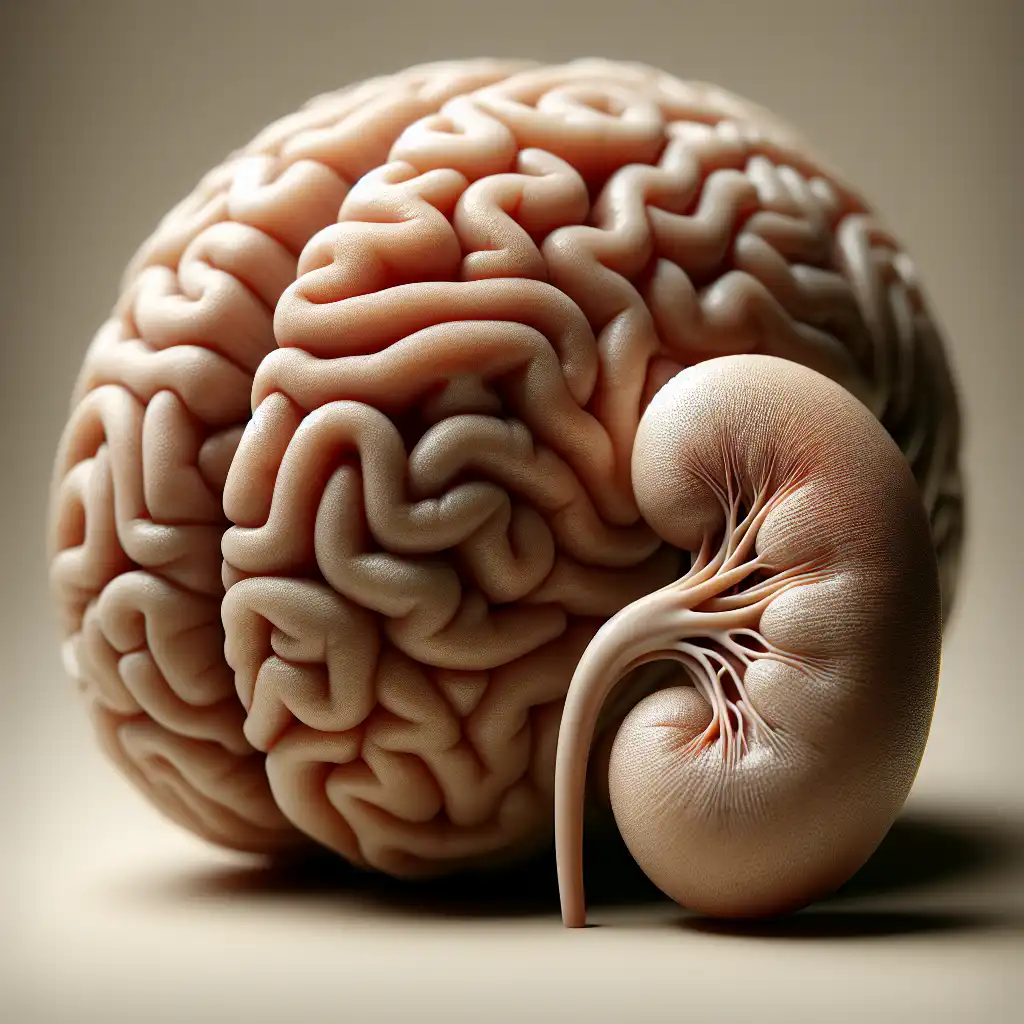
The outer layer of an organ or body part such as the brain or kidney
The brain's cortex plays an important role in memory, attention, and thought.
cortex
ˈkɔːrteks
読み込み中…
ˈkɔːrteks
The outer layer of an organ or body part such as the brain or kidney
The brain's cortex plays an important role in memory, attention, and thought.
ˈkɔːrteks
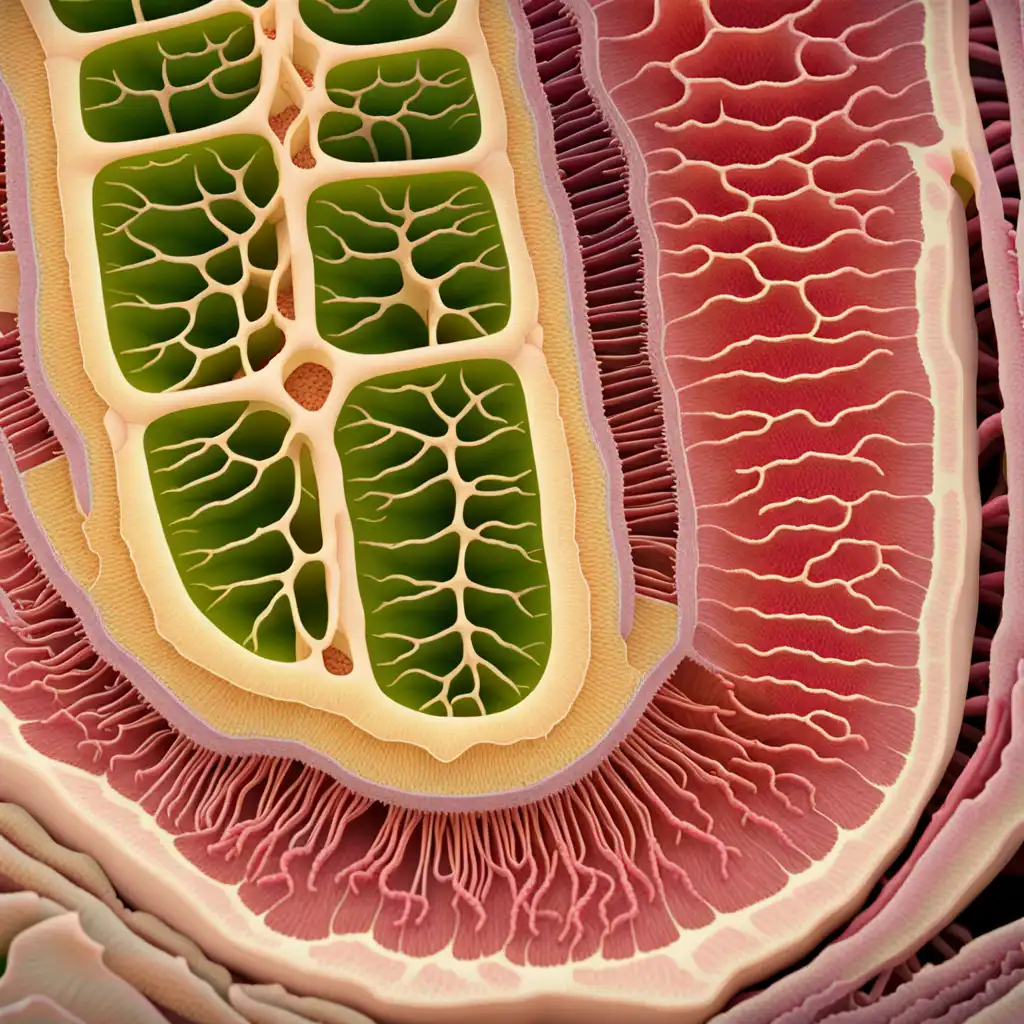
The outer layer of tissue in plants, lying just below the epidermis
The cortex provides strength and transports nutrients inside the plant.
音声を読み込めませんでした。しばらくしてからもう一度お試しください。
The cortex is a part of the brain and it is responsible for thinking, processing information, and making decisions. It is like the control center that helps you think and understand things. The cortex is also found in other parts of the body, like the kidney and the adrenal gland, where it performs different functions. When talking about the brain, cortex is a word you might use to describe the outer layer of the brain. Scientists use this word a lot when they study the brain, so if you're interested in learning more about the brain, you'll hear this word a lot.
The cerebrum is the largest part of the brain and is responsible for conscious thought, memory, and emotions. The cortex is the outer layer of the cerebrum and is responsible for processing sensory information and controlling voluntary movements.
Essentially, the cerebrum is the entire brain while the cortex is a specific part of the brain. When people talk about the cortex, they are referring to the outer layer of the cerebrum, whereas when they talk about the cerebrum, they are referring to the entire brain.
単語を開く: Cerebrum →And yet this is a myth unsupported by scientific evidence. So how did this misleading idea come about, and what does it get wrong? It's true that the brain has a right and a left side. This is most apparent with the outer layer or the cortex.
YouTube で見る ↗The cortex is the enemy.
roll up your sleeve a bit, So what I'm going to do I'm putting electrodes on your arm, and you're probably wondering, I just said I'm going to record from your brain what am I doing with your arm? Well you have about 80 billion neurons inside your brain right now. They're sending electrical messages back and forth and chemical messages. But some of your neurons right here in your motor cortex
YouTube で見る ↗Where the despair of loneliness and poverty haunts every hour, the optimism to embark on new projects cannot find a place to alight on the brain's cortex. Poverty itself is an enormous obstacle to an enlightened and enlightening - not to say healthy - old age.
about other planets in our solar system and how our world came to be I value that sort of planetary cortex that that nASA has allowed us to put in place and so for the cup of coffee the cup of coffee per year per taxpayer
YouTube で見る ↗Your experience is a dream; so is my experience. This stuff about how the frontal cortex is repressed during dreaming, lucid dreaming presents an obvious contradiction to it. The only difference is sensory input.
starts to get processed in the retina it gets processed in the cortex by the time it actually arrives even at the visual cortex most of the data that was available in the natural world has been thrown out so what the brain is doing
YouTube で見る ↗When I sit down to make music, I try to enter a flow; I always open a blank session and just make something that I feel like making. Only after a piece of music is done does my frontal cortex allow me to organize what might be trying to come out of my subconscious.
and color through Callie's eyes fast movement trumps everything as she stalks the flies her eyes send signals to the brains visual cortex which analyzes what's changed between
YouTube で見る ↗I learned in the computer game business early on that all senses are not equal. The best example is, you're listening to a radio play and you're driving down the road, and suddenly you realize you haven't seen the road in five minutes. It's because your visual cortex has been partying with your imagination, basically.
in cross-language tests, it also showed that the effort and attention needed to switch between languages triggered more activity in, and potentially strengthened the dorsolateral prefrontal cortex. This is the part of the brain that plays a large role
YouTube で見る ↗There's an ancient connection between movement and music. Most languages don't make a distinction between the words 'music' and 'dance.' And we can see that in the brain. When people are lying perfectly still but listening to music, the neurons in the motor cortex are firing.
especially the visual auditory and motor cortices. As with any other workout disciplined structured practice in playing music strengthens those brain functions allowing us to apply that strength to other activities. The most obvious difference between listening to music and playing it
YouTube で見る ↗What adolescence is about is by trial and error, honing a frontal cortex that is going to be more optimal by the time you're 25.
and a highly developed hippocampus and cerebral cortex. It is the hippocampus strongly associated with emotion that aids recollection by encoding important experiences into long-term memories. The ability to distinguish this importance makes elephant memory
YouTube で見る ↗The limbic system explodes during puberty, but the prefrontal cortex keeps maturing for another 10 years.
the deepest of which are known as slow-wave sleep and rapid eye movement. EEG machines monitoring people during these stages have shown electrical impulses moving between the brainstem hippocampus thalamus and cortex,
YouTube で見る ↗The moment you feel yourself hesitate on something you know you should do, count 5-4-3-2-1 to activate your prefrontal cortex and interrupt the habit of overthinking, self-doubt, and fear.
The cortex still has some algorithmic tricks that we don't yet know how to match in machines. So the question is, how far are we from being able to match those tricks? A couple of years ago, we did a survey of some of the world's leading A.I. experts,
YouTube で見る ↗Deep in my cortex, the year is divided into reading seasons. The period from mid-October to Christmas, for instance, is 'ghost story' time, while Jane Austen and P. G. Wodehouse pretty much own April and May.