
canter
noun canter
ˈkæntər
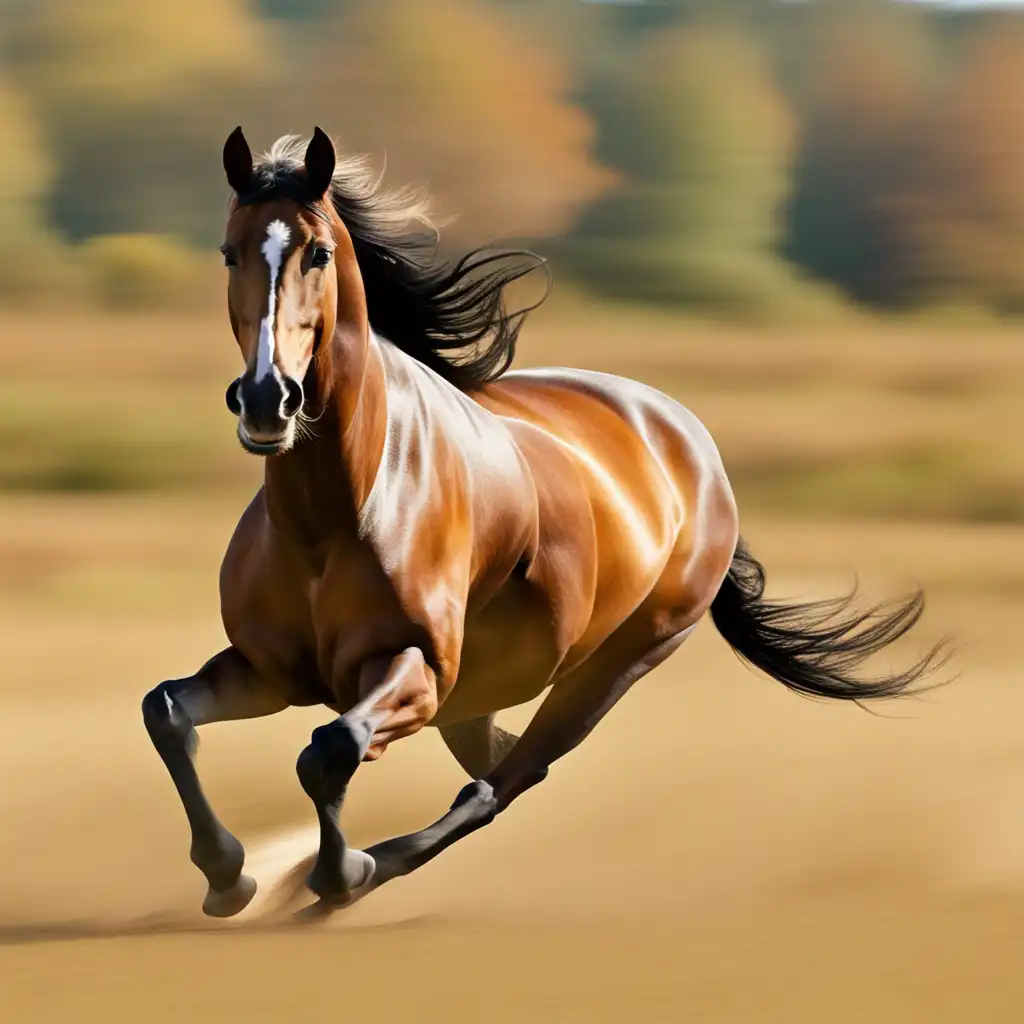
The action of a horse moving at a pace faster than a trot but slower than a gallop.
The rider urged the horse into a gentle canter.
canter
ˈkæntər
Chargement…
ˈkæntər
The action of a horse moving at a pace faster than a trot but slower than a gallop.
The rider urged the horse into a gentle canter.
ˈkæntər
If a horse canters, it moves at a pace which is faster than a trot but slower than a gallop.
The horse cantered smoothly across the field.

ˈkæntər
To move quickly but not in a rush.
We cantered through the project at a good pace.
Impossible de charger l’audio. Réessayez plus tard.
Canter is a word used in horse riding. It means a smooth, three-beat gait of a horse that is faster than a trot but slower than a gallop. It is a comfortable and easy gait for the horse and rider. Canter is used when riding horses in many different contexts such as training, competing or leisure riding.
A canter is a gentle and moderate three-beat gait of a horse that is faster than a trot but slower than a gallop.
A gallop is a fast and powerful four-beat gait of a horse that is quicker than a canter. This gait is used in horse racing, competitions or urgent situations where the horse needs to move fast and cover more ground in a short amount of time.
Canter is used for leisurely rides while gallop is used in competitive events and other emergency situations.
Ouvrir le mot: Gallop →Canter and jog are both terms used to describe the movements of a horse, but they are different from each other. Canter is a faster and smoother gait than a trot or jog, with the horse's legs moving in a three-beat rhythm.
Canter is used for more leisurely riding, such as in horse shows or for pleasure riding. Jog or trot is a slower and bouncier gait with the horse's legs moving in a two-beat rhythm.
Jog is used for short distances or for warm-up purposes. A canter is faster and more fluid, while a jog is slower and bouncier.
Ouvrir le mot: Jog →Both canter and lope refer to a horse's gait, but they are different speeds.
A lope is also a three-beat gait, but it is slower and more relaxed than a canter.
A lope is often used in western riding, while a canter is more common in English riding.
Ouvrir le mot: Lope →Prance is a high-stepping movement when a horse raises its legs exaggeratedly. The horse may do this when it is energetic or trying to show off.
Prance is usually used to display elegance and grace in the horse's movements, whereas a canter is more of a practical gait for transportation.
In simple words, we can say that Canter is for smooth and comfortable travel, while Prance is for showcasing grace and elegance.
Ouvrir le mot: Prance →Canter and run are both verbs that describe a way of moving forward, but they are different in terms of speed and gait.
A run is a much faster and more vigorous movement.
It can describe how a person runs in a race or how a dog dashes around a field.
A canter is a slower and more elegant way of moving, while running is a fast and energetic form of movement. The use of each term will depend on the context in which it is being used.
Ouvrir le mot: Run →Canter and scamper are both ways to describe a horse's gait, but they have different meanings.
A scamper is a quick, uncontrolled dash or run, often used to describe a horse running in a field or being playful.
A canter is a more controlled, deliberate way of moving for a horse, while a scamper is a more playful, spontaneous movement.
Ouvrir le mot: Scamper →It's a comfortable, three-beat rhythm that is often used in horseback riding for pleasure or in some sports. Skip refers to a bounding movement that involves leaving the ground with both feet and returning to the ground on one foot.
It's often used in a playful or energetic context, like skipping down a sidewalk or skipping rope. Canter is applicable to horseback riding, while skip is applicable to playful or energetic movements.
Ouvrir le mot: Skip →Canter and trot are both horse gaits, but the difference between the two is the speed at which the horse is moving and the number of its steps.
A trot is a two-beat diagonal gait where the horse’s front left and hind right legs move forward at the same time, followed by the front right and hind left legs.
It is a faster gait and has a smoother ride for the rider. Canter is used in horse competitions, while trot is used in casual rides.
Ouvrir le mot: Trot →Safari Live - Day 292 %\PIPE%...
Voir sur YouTube ↗I think some horses are meant to do... eventing or dressage. We have Western horses who canter around. I think it takes, especially at the level I'm at now, it takes a horse that wants to do it.
I was in the Square at the time. The crowd was a most good-humoured, easy going, smiling crowd; but presently it was transformed. A regiment of mounted police came cantering up.