print
noun prɪnt
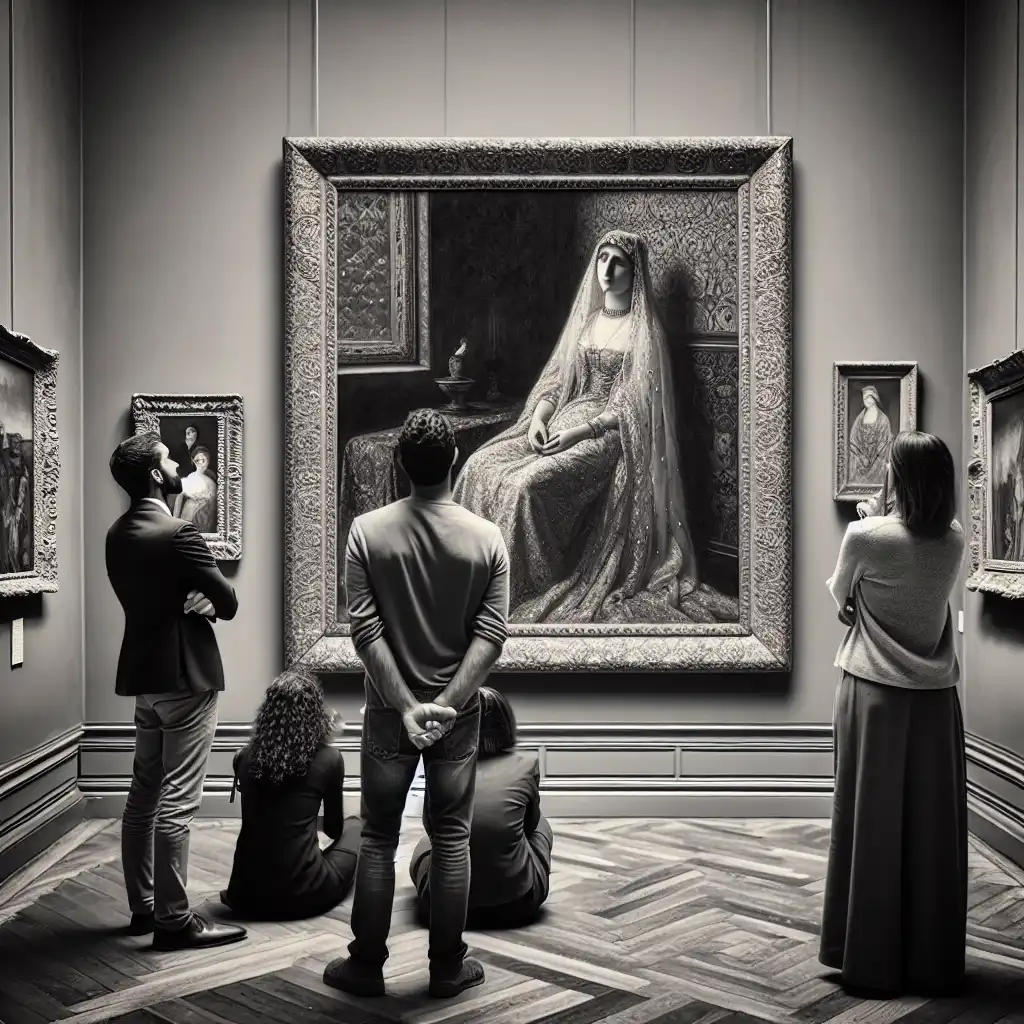
Text or images that have been transferred onto a surface, usually paper, from an inked block or plate.
I liked the print of the Mona Lisa at the gallery.
prɪnt
読み込み中…
prɪnt
Text or images that have been transferred onto a surface, usually paper, from an inked block or plate.
I liked the print of the Mona Lisa at the gallery.
prɪnt
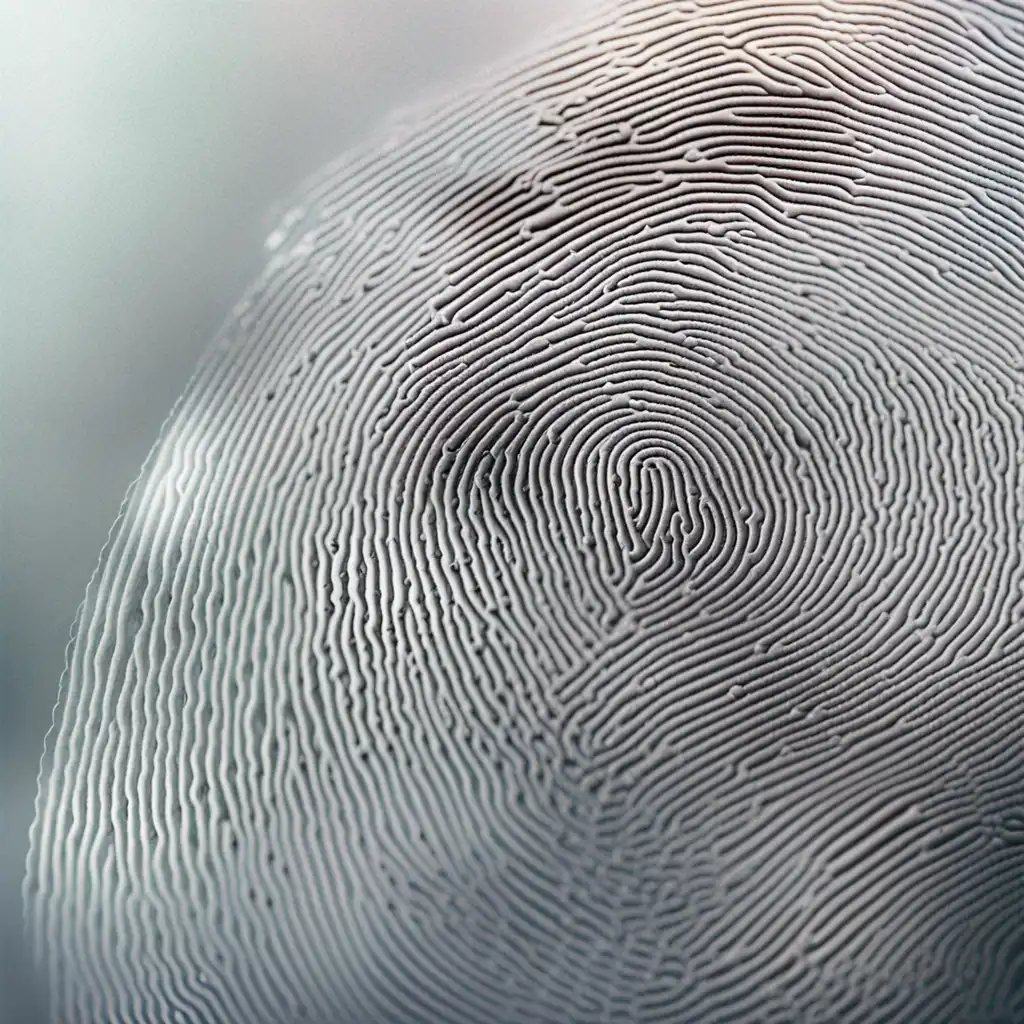
A mark made by pressing something onto a surface.
Detectives found fingerprints on the glass.
prɪnt
To transfer text or images onto a surface, usually paper, from an inked block or plate.
Please print your name at the top of the page.
prɪnt
To write in clear, separate characters, as opposed to cursive.
She printed her name beautifully on the page.
音声を読み込めませんでした。しばらくしてからもう一度お試しください。
The word 'print' can refer to a few different things, so here are a few different ways you might use it:1. To make a physical copy of something using a printer. For example: "Can you please print this document for me?" or "I printed some photos to hang on my wall."2. To write something using letters instead of cursive handwriting. For example: "Please print your name at the top of the page."3. To publish something in a newspaper, magazine, or book. For example: "Her article was printed in the New York Times."4. To leave an impression or mark on something, usually using a stamp or similar method. For example: "He printed his company logo on the envelopes."Hopefully that helps explain some of the different uses of 'print'!
Engrave means to carve, cut or etch a design or letters into a hard surface like metal or wood, with the use of tools. Engraving is usually used for detailed designs or personalizations in jewelry, trophies, and plaques.
In summary, engraving involves carving into a hard surface, while printing involves transferring ink onto a surface like paper or fabric.
Engraving is usually used for detailed designs or personalizations in jewelry, trophies, and plaques, while printing is typically used for printed materials like books, brochures, and photographs.
単語を開く: Engrave →Etch and print are both methods of creating images, but they differ in the way the image is made.
Etching involves using acid or other chemicals to carve an image into a surface, usually metal. This process creates grooves or depressions in the metal that hold ink, which can then be transferred onto paper to create a printed image.
Both etching and printing can be used in art, design, and manufacturing. Etching is often used for creating detailed designs on metal objects, while printing is commonly used for producing books, posters, and other printed materials.
単語を開く: Etch →Print is a general term that means to produce written material using some form of technology, such as a printer. Imprint refers to a specific way in which something is printed or stamped onto a surface, such as pressing it into soft clay or embossing it onto paper or other material.
Imprinting can be used for decorative purposes, to create identifying marks, or to leave a lasting impression on a surface.
Print is a more general term, while imprint refers to a more specific form of printing or marking.
単語を開く: Imprint →Inscribe means to write or carve something onto a surface, usually by cutting or engraving. This term is used for permanent markings on hard surfaces like metal, stone, or wood.
For example, you might inscribe your name on a metal ring, but you would print a document on a piece of paper.
単語を開く: Inscribe →Lithograph and print are both methods of reproducing artwork, but there are a few key differences.
A lithograph is a specific type of printmaking that involves drawing an image onto a flat stone or metal plate, and then transferring the image onto paper using ink.
Lithographs are often used for fine art prints and posters, as well as in commercial printing for things like packaging and product labels.
Print is a more general term that refers to any method of producing a copy of an image or document. Printing can be done using lithography, but it can also be done using digital printers, offset printing presses, and other methods.
A lithograph is a specific type of print made using a stone or metal plate, while print is a more general term that can refer to many different methods of reproducing artwork and documents.
単語を開く: Lithograph →Press refers to the process of applying pressure to create an impression or design onto a material, such as paper or fabric.
This process is commonly used for printing newspapers, magazines, or books. The word print refers to the result of this process - the actual inked impression or design on the material.
- Press is the action of creating a design or impression using pressure.
Therefore, when talking about the creation of a physical copy of content, press is applicable to the physical process of making it, whereas print is applicable to the final output that a reader can see and read.
単語を開く: Press →Publish is used when a written work is made available to the public through a medium like a website, a book, a magazine, or any other platform.
Publishing can be done in print, but it can also be done digitally, such as publishing an e-book or a blog post.
In simpler terms, print is the act of creating physical copies while publish refers to making written content available to the public.
単語を開く: Publish →Stamp usually refers to applying an image or text onto a surface using a rubber or metal stamp. For example, when you use a rubber stamp with your name and address to stamp an envelope, you are using a stamp.
In general, printing is best for creating high-quality documents with lots of detail and color, while stamping is best for creating personalized or decorative images on surfaces like paper, fabric, or wood.
単語を開く: Stamp →tiger cub paw prints. Glad I don't have to deal with you when you're bigger. You're already bad enough. Are you ready Kynan to help?
YouTube で見る ↗I hate newspapermen. They come into camp and pick up their camp rumors and print them as facts. I regard them as spies, which, in truth, they are.
infrared, and visible light. At the higher end are ultraviolet, X-ray, and gamma rays. Modern society is shaped by sending and detecting electromagnetic radiation. We might download an email to our phone via radio waves to open an image of an X-ray print,
YouTube で見る ↗Books are humanity in print.
It's completely mechanical again a printer. It prints just numbers because he was obsessed with numbers, but it does print onto paper and it even does word wrapping, so if you get to the end of the line it goes around like that. You also need graphics right? I mean if you're going to do anything with graphics, so he said "Well I need a plotter. I've got a big piece of paper
YouTube で見る ↗When the truth does not get printed, damage is done.
could be a better process so we could scan these objects using the laser scanner and that would be a non-contact method so minimal risk to the object and then once we have that data we could bring it back into the real world through 3d printing we still do a lot of
YouTube で見る ↗Words, once they are printed, have a life of their own.
treating bottle some simple legs and printed them with Rick's help combining that with what I picked up at the workshop I made a set of legs that failed miserably once physics was applied to them they
YouTube で見る ↗Life shouldn't be printed on dollar bills.
added decoration to their penal tattoos, with designs borrowed from woodblock prints popular literature and mythical spirtual iconography. Yakuza gangs viewed their outsider tattoos as signs of lifelong loyalty and courage. After all they lasted forever and it really hurt to get them.
YouTube で見る ↗The printing press did something really big for the world when everyone could get books in their hands and read.
But to keep the Fed from being influenced by the day-to-day vicissitudes of politics, it is not under the direct control of any branch of government. Why doesn't the Fed just decide to print infinite hundred dollar bills to make everyone happy and rich? Well because then the bills wouldn't be worth anything. Think about the purpose of currency,
YouTube で見る ↗I read real books. On paper. You know, those printed books? I feel like this is the last thing I do to support my industry. I think they smell great, too.
forming a new compound that leaves a dark mark on the paper. However in the absence of starch there is no chemical reaction and the mark will look light yellow. So if the fake isn't printed on starchy paper, iodine solutions can't help you.
YouTube で見る ↗I enjoy writing. Publishing... not so much. I've been lucky to work with some very talented people in the publishing world, and the print industry has allowed me to write full time.
so printing houses popped up all over Europe. The product of this bibliographic boom is familiar to us in some respects, but markedly different in others. The skeleton of the book is paper type and cover.
YouTube で見る ↗You have to understand the separation between what exists in the print media and what exists in reality. It's important to never lose track of reality.
Human figures appear rarely as well as occasional hand prints. Some have theorized that these artworks are the creation of hunters, or of holy men in trance-like states. And we've found examples created by men women and even children.
YouTube で見る ↗The only thing of value I have in this life is my ability to tell a story, whether in print, orating, writing it down or having people acting it out. That's why I'm always hoping society never collapses because the first ones to go will be entertainers.