rind
noun rind
raɪnd
The thick and firm outer layer of some fruits, cheeses, or meats
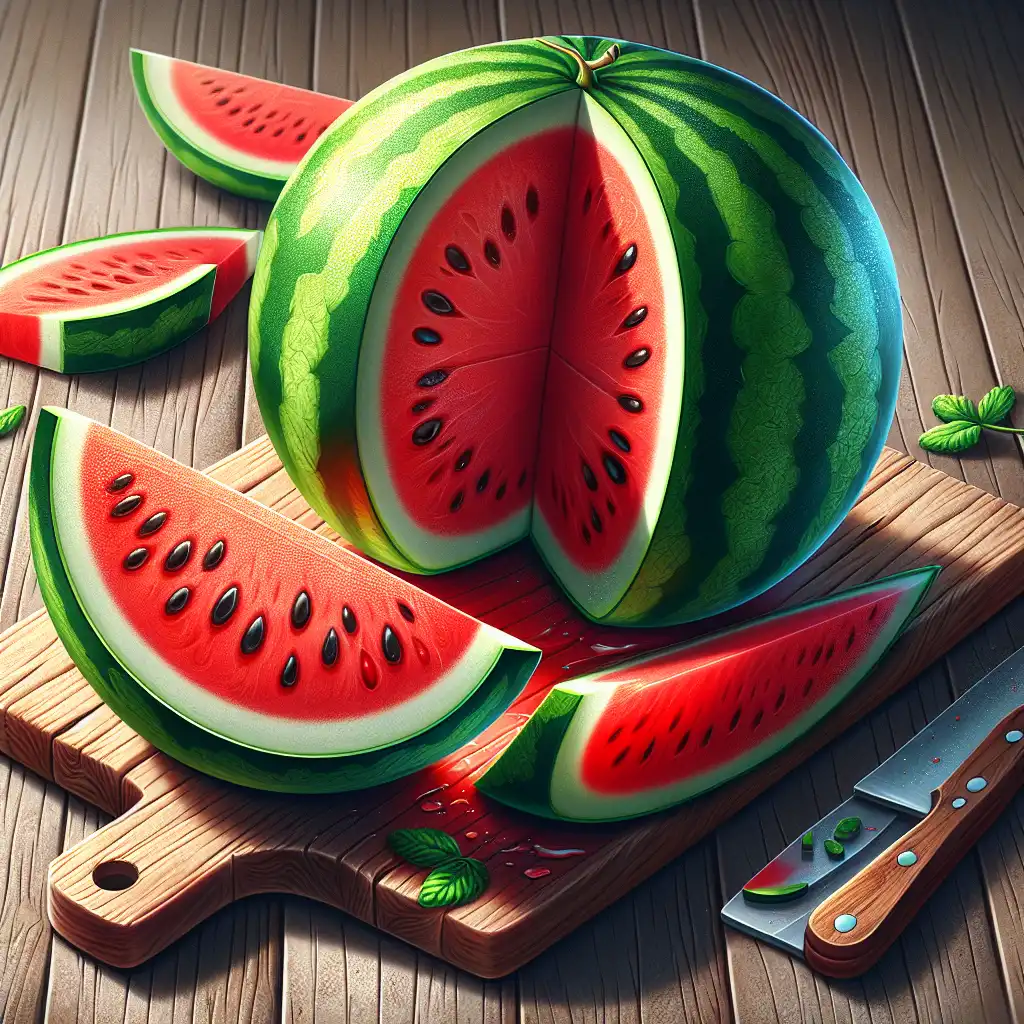
He removed the rind before slicing the watermelon.
rind
raɪnd
加载中…
raɪnd
The thick and firm outer layer of some fruits, cheeses, or meats
He removed the rind before slicing the watermelon.
音频无法加载,请稍后再试。
The word 'rind' is used to describe the tough outer layer of certain fruits or cheeses. For example, the rind on an orange or a lemon is the thick, bumpy layer that you usually peel off before eating the sweet fruit inside. The rind on a cheese is a harder, protective layer that develops as the cheese ages. So, if you hear someone talking about the rind of a fruit or a cheese, they are referring to the tough outer layer that needs to be removed or eaten depending on the item.
Bark refers to the outer layer of a tree trunk, while rind generally refers to the tough outer layer of a fruit or vegetable.
Bark is applicable to trees and plants, while rind is applicable to fruits and vegetables. Bark helps protect the tree and transports water and nutrients, while rind helps protect the fruit or vegetable and aids in its preservation.
打开单词: Bark →Case generally refers to the hard outer covering of something, such as a phone case or a suitcase.
It can also refer to the outer layer of a food product, such as the case of a sausage.
Case refers to a protective outer layer, while rind refers to a tough, often edible outer layer.
打开单词: Case →A coat refers to an outer layer that covers and protects something, usually used for clothing or animals. For example, you wear a coat in winter to keep yourself warm and protect yourself from cold weather.
To summarize, a coat is used to protect and cover, while a rind is the outer layer of certain fruits or cheese.
打开单词: Coat →Cover refers to something that is used to wrap or encase an object, such as a tablecloth covering a table or a blanket covering a person.
It can also refer to the outer layer of something, such as covering a book with a protective cover or covering a pot with a lid.
Cover is used to wrap or encase an object and can also refer to the outer layer of something, while rind refers specifically to the tough, outer layer of an object.
打开单词: Cover →Crust refers to the outer layer of bread or pastry that is formed when it is baked. Rind refers to the tough outer layer of certain fruits, such as oranges or watermelons, or the skin of certain cheeses.
Crust is applicable to baked goods, while rind is applicable to fruits and cheeses.
打开单词: Crust →Husk and rind are two words that describe the protective outer layer of certain fruits and vegetables.
A husk is a dry, rough outer layer that surrounds certain seeds or pods. For example, corn is covered in a husk that needs to be removed before eating.
A rind is the tougher outer layer of some fruits, such as oranges or watermelons. Unlike a husk, a rind is usually edible, although it's not always pleasant to eat.
A husk is applicable to seeds and pods, while a rind is applicable to fruits.
打开单词: Husk →Peel generally refers to the outer layer of fruits or vegetables that can be easily removed by hand or with a knife. It usually has a soft texture and can be eaten along with the fruit.
For example, you can peel a banana or an orange.
Peel is used for the softer, edible layer of fruits, while rind is used for the harder, inedible layer of fruits.
打开单词: Peel →Rind is typically used to refer to the tough outer layer of fruit, like the skin on an orange or the peel on a banana. Shell usually refers to the hard outer covering of things like eggs, nuts, and certain types of sea creatures like clams and oysters.
Essentially, a rind is the outer layer of a fruit or vegetable, while a shell is the outer covering of an object or organism.
打开单词: Shell →Rind typically refers to the tough outer layer of a fruit, such as the skin of an orange, watermelon or cheese. Skin is a more general term, used for the outer layer of the human body or animals, or the outer layer of fruits, vegetables or any other object.
Rind specifically refers to the outer layer of fruits and cheeses, while skin is the most general term for the outer layer of anything.
打开单词: Skin →A flavorful field guide...
在 YouTube 上观看 ↗In Hue, Vietnam, we had savory rice pancakes with crumbled shrimp and pork rinds. I've still never had a version as good.
Searching For Life in...
在 YouTube 上观看 ↗I hate pork rinds. I couldn't imagine how anybody would ever get the idea of taking skin from a pig and frying it and then trying to sell it to people. And then people actually buy it to eat it. That is the true sign of the decline of the human race.
The microbial jungles...
在 YouTube 上观看 ↗It's during dream sleep where we start to actually take the sting out of difficult, even traumatic, emotional experiences that we've been having. And sleep almost divorces that emotional, bitter rind from the memory experiences that we've had during the day.
Young David Attenborough...
在 YouTube 上观看 ↗I Sellotape whole tins of sardines to my face at night, attach two squeezed lemon rinds to my armadillo-skinned elbows, and put cucumber on my eyes. By the time I'm finished, I look like a fruit salad with added fish. In the morning, the pillow is pretty much a write-off.
For rave-worthy soups, skip the store-bought stock. You can extract a cleaner, stronger broth from a combination of water and several pantry ingredients. It's all about layering powerful flavor-enhancers that you probably already have on hand - bacon, tomato paste, herbs, peppercorns, a Parm rind, and, of course, kosher salt.
Gribenes have been referred to as Jewish popcorn or kosher pork rinds. It's basically chicken skin fried in schmaltz. They're crispy and mixed with fried onions. I'm telling you, when you have it with chopped liver, it's the most incredible thing because you get this crunch and this surge of chicken flavor.