barrow
noun barrow
ˈbærəʊ
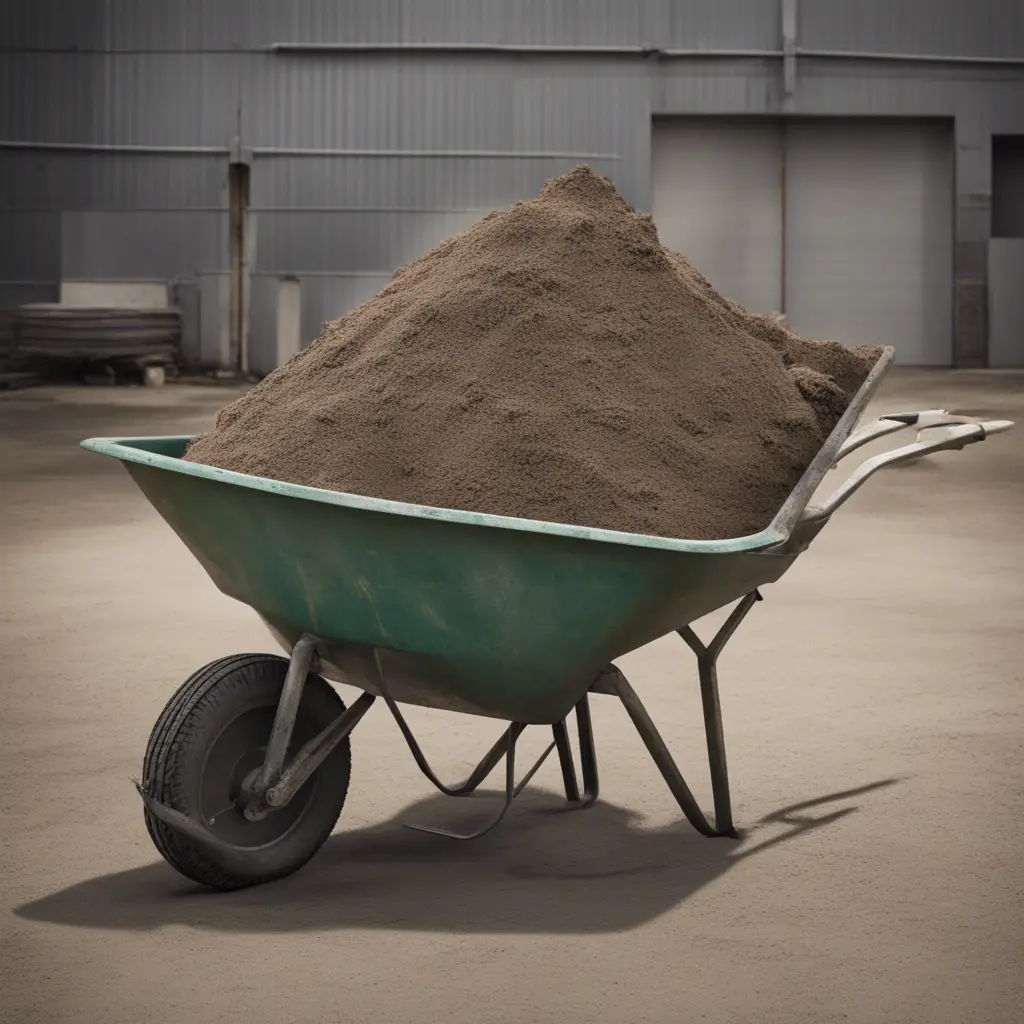
A large wheelbarrow used for moving loads
She was pushing a barrow full of bricks.
barrow
ˈbærəʊ
Loading…
ˈbærəʊ
A large wheelbarrow used for moving loads
She was pushing a barrow full of bricks.

ˈbærəʊ
A hill that people in ancient times built over graves
They carried out an excavation of the ancient barrow.
ˈbærəʊ
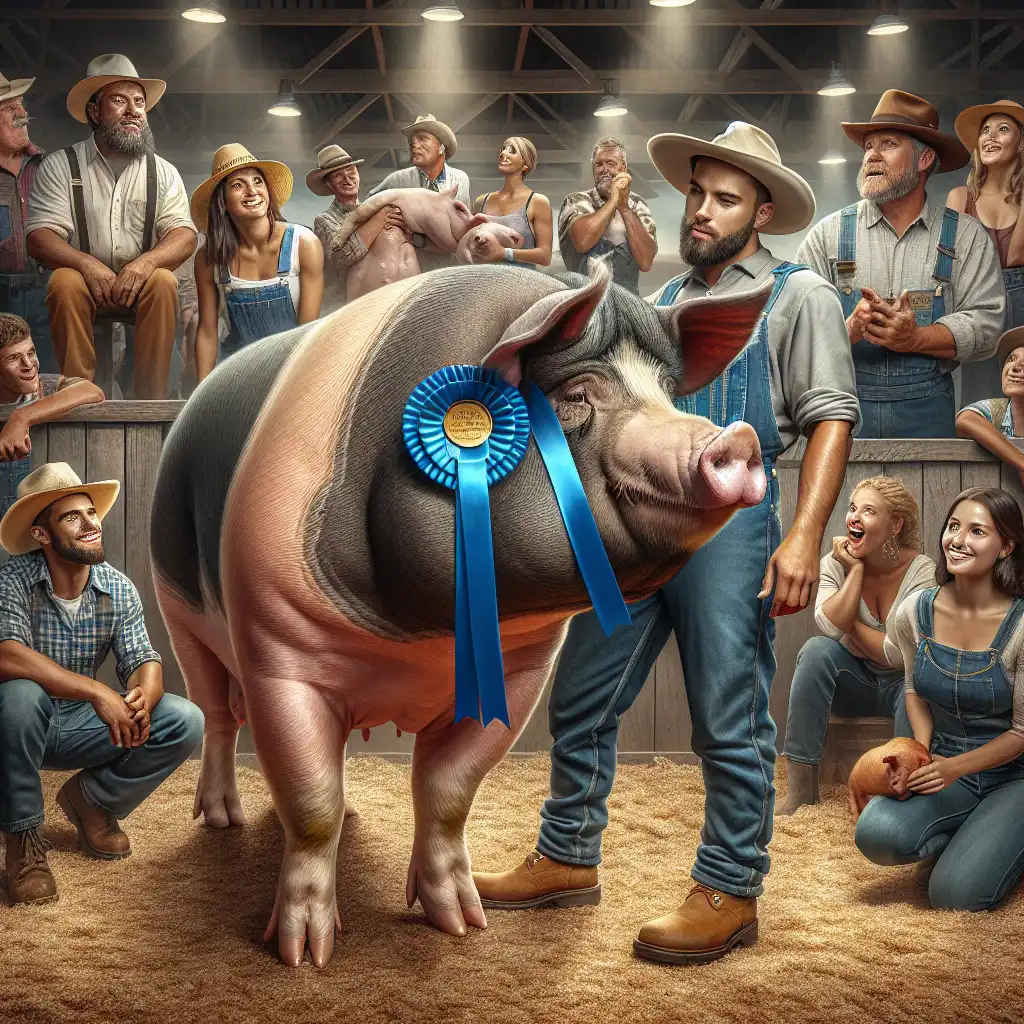
A male pig that has been castrated, usually kept for breeding
The barrow won the prize at the livestock show.

ˈbærəʊ
A small cart or container used for carrying things
The vendor displayed apples in a barrow.
Audio could not be loaded. Please try again later.
A 'barrow' is a type of small, usually wheelbarrow-shaped vehicle used for carrying things like gardening tools or vegetables. It is commonly used in gardens or on farms to help move things easily from one place to another. In some countries, a barrow may also refer to a type of burial mound, which is a pile of earth and stones that marks a grave.
A buggy is a small, four-wheeled vehicle usually pulled by a horse or small engine.
It is generally used for transportation of passengers and goods in rural and suburban areas. Buggies are often used for leisurely outings or transportation on farms.
In summary, barrows are used for manual labor to carry heavy items, while buggies are used for transportation of passengers and goods in rural and suburban areas.
Open word: Buggy →Both barrow and carriage refer to a vehicle used for transporting goods or people.
A carriage is a larger four-wheeled vehicle that is pulled by horses, oxen, or other animals. Carriages were commonly used in the past as a means of transportation for people, especially the wealthy, and were often ornate and well-decorated.
Nowadays, carriages are mainly used for special occasions like weddings, parades, and tourist rides.
A barrow refers to a small cart that is pushed by a person, mostly used for transporting heavy goods, while a carriage is a larger four-wheeled vehicle that is pulled by animals, mainly used for transporting people or for special occasions.
Open word: Carriage →A barrow is a type of small, usually single-wheeled cart that is pushed by hand.
A cart typically has two or four wheels and can carry larger loads, such as hay bales, building materials, or furniture.
Carts are commonly used in construction, agriculture, and transportation of goods.
In summary, while both words refer to wheeled vehicles used for carrying objects, a barrow is smaller and pushed by hand, while a cart is larger and often pulled by an animal or vehicle.
Open word: Cart →A dray is a large, heavy cart that is pulled by horses or other animals, used for transporting large and very heavy loads over longer distances.
A barrow is a small cart used for short distances, while a dray is a heavy cart pulled by animals and used for long distances and large loads.
Open word: Dray →A sledge or sled is a long and flat vehicle which is used to carry heavy loads over snow or ice.
A sledge is designed to float across snow and ice rather than sink into it.
A barrow is used for moving small quantities of materials around while a sledge is used for moving heavy loads across snow or ice.
Open word: Sledge →A trolley is a wheeled device that is designed to carry items in a supermarket or a shopping mall. Trolleys are larger than barrows and have a handlebar so that people can push them comfortably.
Trolleys are used to transport groceries or other items that people have purchased.
In short, barrows are used to transport materials and goods for work while trolleys are used to carry personal items while shopping.
Open word: Trolley →A barrow and a wagon are both vehicles with wheels used for carrying heavy loads, but there are some differences.
A barrow is usually smaller than a wagon and is designed to be pushed or pulled by a person, rather than a vehicle. Barrows are often used for gardening, construction, or moving small items around a place like a market.
A wagon is usually larger than a barrow and typically towed by an animal or a vehicle. Wagons are mostly used for agricultural purposes, transportation of goods, or for recreation like a hayride or a wagon train.
A barrow is a small wheelbarrow for moving things around without the help of vehicles, while a wagon is a larger vehicle typically used for transporting goods and requires an animal or vehicle to move it.
Open word: Wagon →A wheelbarrow is a tool with one or two wheels and a tray or deep bucket, which is used for carrying heavy objects or loads.
A wheelbarrow is applicable for carrying heavy or bulky objects which are difficult to carry by hand alone.
A barrow is carried by two people and used for evenly distributed weights, while a wheelbarrow has wheels and is used for heavy, bulky objects that are difficult to carry without assistance.
Open word: Wheelbarrow →not had mange and our imagine they have laid in the same areas could there's some animals for example the foxes if a fox is infected and drank on a barrow and then it moves in another fox comes in and it's a raisin same barrel it
Watch on YouTube ↗I'm getting quite into ancient barrows and the like these days.
Ancient barrows get cleared away. Legislation is pretty much 19th century. Global warming means there is an awful lot of erosion, exposing new archaeology, there is not the funding around to deal with it.