
bushwhacking
verb bushwhacking
ˈbʊʃwækɪŋ
To move through thick bushes by manually pushing them aside
We had to bushwhack through the dense jungle to reach the waterfall.
bushwhacking
ˈbʊʃwækɪŋ
लोड हो रहा है…
ˈbʊʃwækɪŋ
To move through thick bushes by manually pushing them aside
We had to bushwhack through the dense jungle to reach the waterfall.
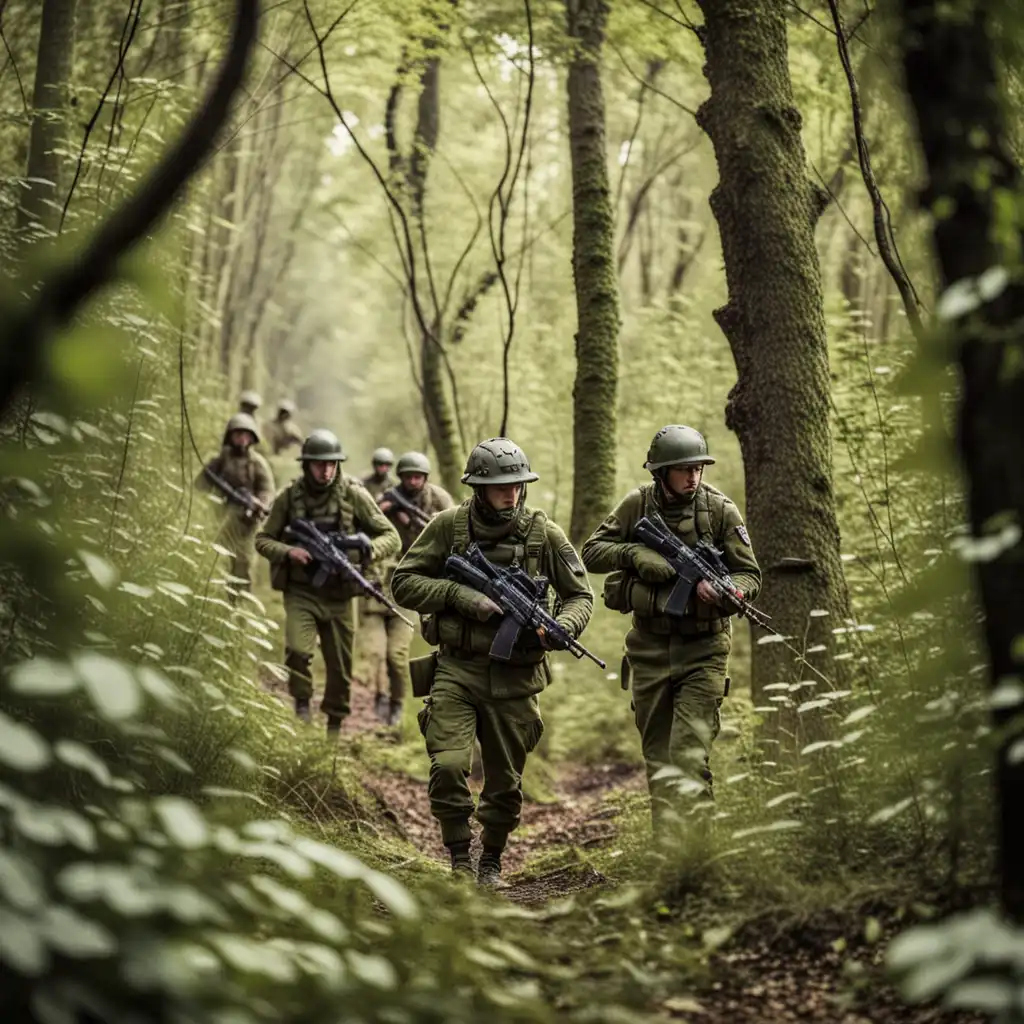
ˈbʊʃwækɪŋ
An attack or ambush from a hidden place, especially in a forest or jungle
The soldiers were on high alert for any potential bushwhackings from the enemy.
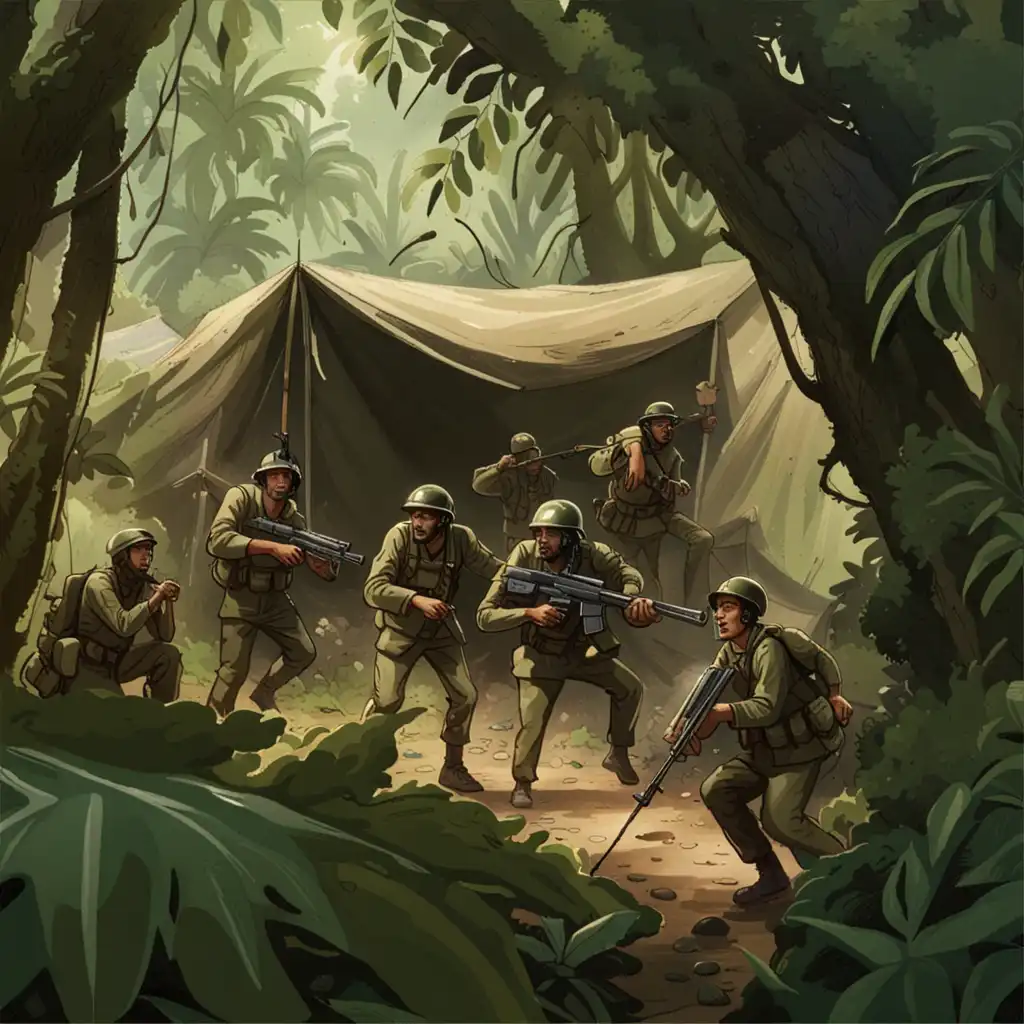
ˈbʊʃwækɪŋ
To attack or ambush from a hidden place, especially in a forest or jungle
The enemy bushwhacked the soldiers while they were resting in the jungle.
ऑडियो लोड नहीं हो सका। कृपया बाद में फिर कोशिश करें।
The word 'bushwhacking' refers to the act of travelling through thick forests or bushes where there is no proper path. It is commonly used when someone is hiking or exploring through a forest and has to cut through the bushes and shrubs to make their way. It can also be used figuratively to describe overcoming obstacles or challenges without a clear path or plan.
Ambush generally refers to a surprise attack by a group of people, usually with weapons, on another group or individual.
शब्द खोलें: Ambush →Attack means to make a sudden and aggressive-often military or violent- action towards someone or something.
Bushwhacking refers to an attack that is carried out by surprise, in a hidden or dense area, such as a forest or bushes.
It is often associated with guerrilla warfare or ambushes that involve hiding and attacking from an unexpected position.
Thus, while both words may involve hostility or aggression, attack generally refers to a more open and direct action, while bushwhacking is more sneaky and covert, taking place in a hidden or hard-to-reach location.
शब्द खोलें: Attack →Pounce refers to jumping on or attacking something suddenly and aggressively, usually to catch prey. It is applicable for hunting or when a predator is attacking its prey.
शब्द खोलें: Pounce →A raid refers to a surprise attack on a specific target with the aim of causing damage or taking something, typically by a group of people.
A raid is often carried out for military or strategic purposes, but it can also be used in a criminal context, as in a police raid on a drug den.
Bushwhacking is traveling through dense vegetation while raid is an attack on a specific target for a specific purpose.
शब्द खोलें: Raid →Strike can have various meanings depending on the context. In a labor context, it refers to workers stopping work as a form of protest or bargaining tactic.
Bushwhacking is specific to traversing through difficult terrain, while strike can have multiple meanings depending on the context.
शब्द खोलें: Strike →Surprise refers to an unexpected event or outcome that catches someone off guard. It is applicable in any situation where something unexpected happens.
Bushwhacking is a term used for navigating through a dense area, while surprise is a term used for unexpected events.
शब्द खोलें: Surprise →A trap is a device or mechanism designed to catch or ensnare something or someone. It is intended to deceive or trick the target into falling into the trap.
Traps are commonly used in hunting and pest control or as a security measure in certain situations.
Bushwhacking refers to navigating through dense vegetation, while a trap is a device used to catch or ensnare something.
शब्द खोलें: Trap →Waylay refers to lying in wait and ambushing someone, often with the intention of robbing them. It is applicable in situations where a person is deliberately targeted for harm or theft.
Thus, bushwhacking is a term used for navigating through vegetation, while waylay is a term used for attacking or robbing someone.
शब्द खोलें: Waylay →Ep 1: Military - Video...
YouTube पर देखें ↗Fishing the small streams of New Hampshire is a pastime that combines hiking, map reading, and bushwhacking - plenty of it.