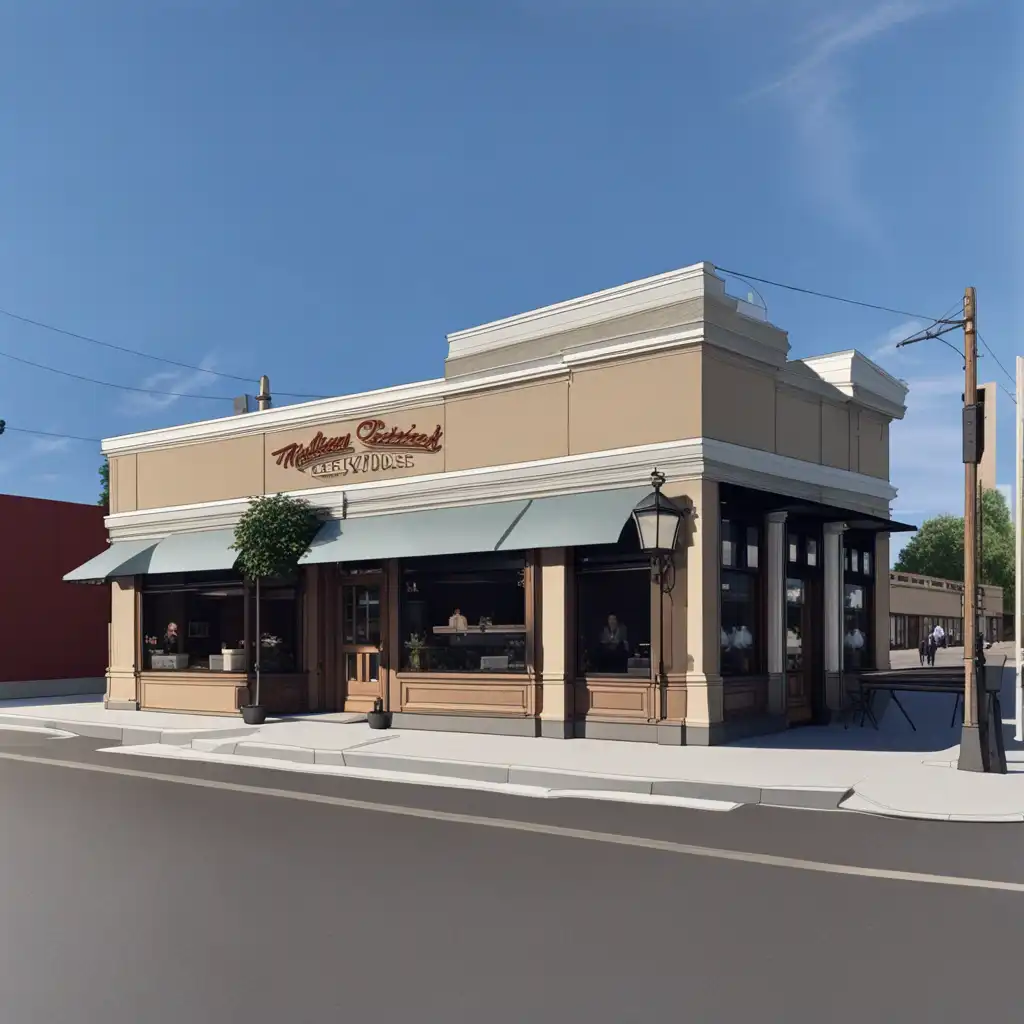
frontage
noun frontage
ˈfrʌntɪdʒ
The part of a building or piece of land that faces the street
The restaurant has a 30-foot frontage on Main Street.
frontage
ˈfrʌntɪdʒ
Loading…
ˈfrʌntɪdʒ
The part of a building or piece of land that faces the street
The restaurant has a 30-foot frontage on Main Street.
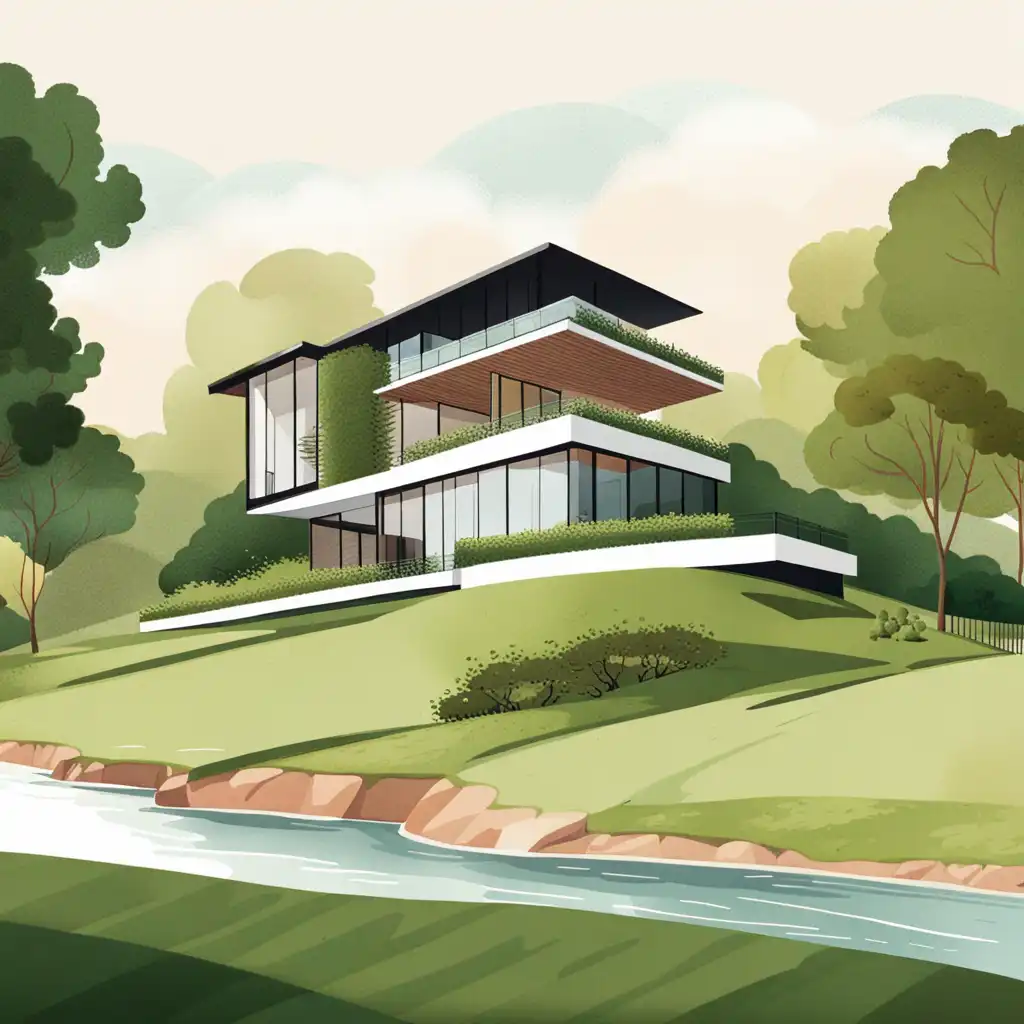
ˈfrʌntɪdʒ
The part of a property that is touching a public place, like a road or river
With 60 feet frontage on the golf course, the house has a beautiful view.
Audio could not be loaded. Please try again later.
Frontage refers to the length of land or a building that faces a street or a waterway. It is generally used to measure the distance along a road or a river that a property occupies. For example, if someone says that a property has 50 feet of frontage on a particular road, it means that the land extends 50 feet along that particular road. This term is commonly used in real estate and land development, and it helps people understand how much space a property occupies and how it interacts with the surrounding area.
Aspect refers to a particular feature or characteristic of something, such as its appearance or point of view.
It is often used when describing the overall impression of a building or landscape, or when discussing the various aspects of a subject.
Aspect is a more general term that refers to different facets or perspectives of something, while frontage is a more specific term that describes the part of a property that faces a street or public area.
Open word: Aspect →Exposure and frontage are two words that are often used in real estate. Exposure refers to the direction a property is facing and how much sunlight and wind it receives.
For example, if a property faces south and receives a lot of sun and wind from that direction, it has good exposure. If a property has 50 feet of street-facing length, it has 50 feet of frontage.
Exposure is important because it affects the amount of natural light and warmth a property receives, which can influence its value and livability.
Open word: Exposure →A facade refers to the exterior appearance of a building or structure, while frontage refers to the length of a building along a street or another public area.
Facade is about the design and appearance of a building, while frontage is about the width or breadth of the building.
Facade is often used when discussing architecture or design, while frontage is used more in real estate or urban planning to describe the size or location of a building in relation to other nearby properties.
Open word: Facade →Face refers to the front part of something, like a person's face, the front of a building, or the front of a piece of paper.
Frontage refers to the length of a property that runs along a road or other public space, like a building's boundary that faces the road.
Face is applicable to describe the front of anything or anyone, while frontage is applicable mainly for real estate purposes to describe the length of a property that runs parallel to the street.
Open word: Face →Front generally refers to the side of a building or an object that faces the street or the direction of the entrance.
It can be used in various contexts like front porch, front door, front yard, front view, etc.
Frontage, on the other hand, refers to the length of the front side or facing along a street, road or water body in relation to a piece of property, building or land.
It is used mostly in real estate and property-related contexts like property frontage, waterfront frontage, commercial frontage, etc.
Front is a more general term, while frontage has a specific meaning related to the length of the property along a street, road, or water body.
Open word: Front →Frontage refers to the portion of a property that faces the street or public access, while orientation refers to the direction that a property, building, or room faces.
Frontage is applicable when describing the layout of a property, while orientation is applicable when considering factors such as sunlight exposure or views.
Essentially, frontage is about which way a property faces the public, while orientation is about which way a property is positioned in relation to other landmarks, weather patterns, or other factors.
Open word: Orientation →Outlook refers to the view or perspective from a particular point or location. It is applicable when describing the view from a window or a room, or the overall scenic view from a property.
In simpler terms, frontage refers to the outside appearance of a building, while outlook refers to the view from inside or outside the building.
Open word: Outlook →View refers to what can be seen from a particular vantage point or location. It's applicable when describing a scenic or picturesque outlook such as a landscape or seascape, or when discussing a desired or preferred location for a property.
In simpler terms, frontage is the face of a building while view is what you see from a particular place.
Open word: View →