
daub
verb daub
dɔːb
To paint or spread something, usually messily, on a surface
She daubed paint on the canvas randomly until she identified a pattern.
daub
dɔːb
加载中…
dɔːb
To paint or spread something, usually messily, on a surface
She daubed paint on the canvas randomly until she identified a pattern.
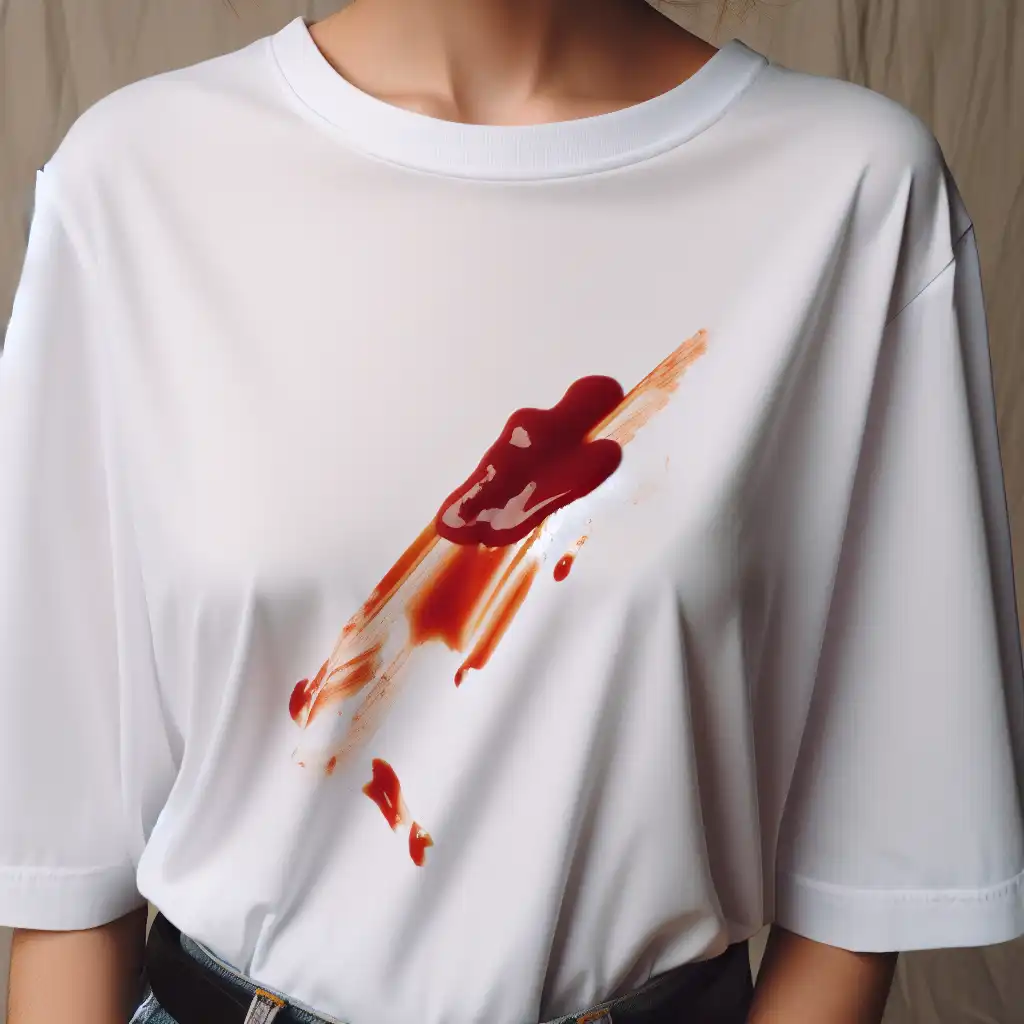
dɔːb
A patch or stain that has been messily spread on something
There was a daub of ketchup on her shirt.
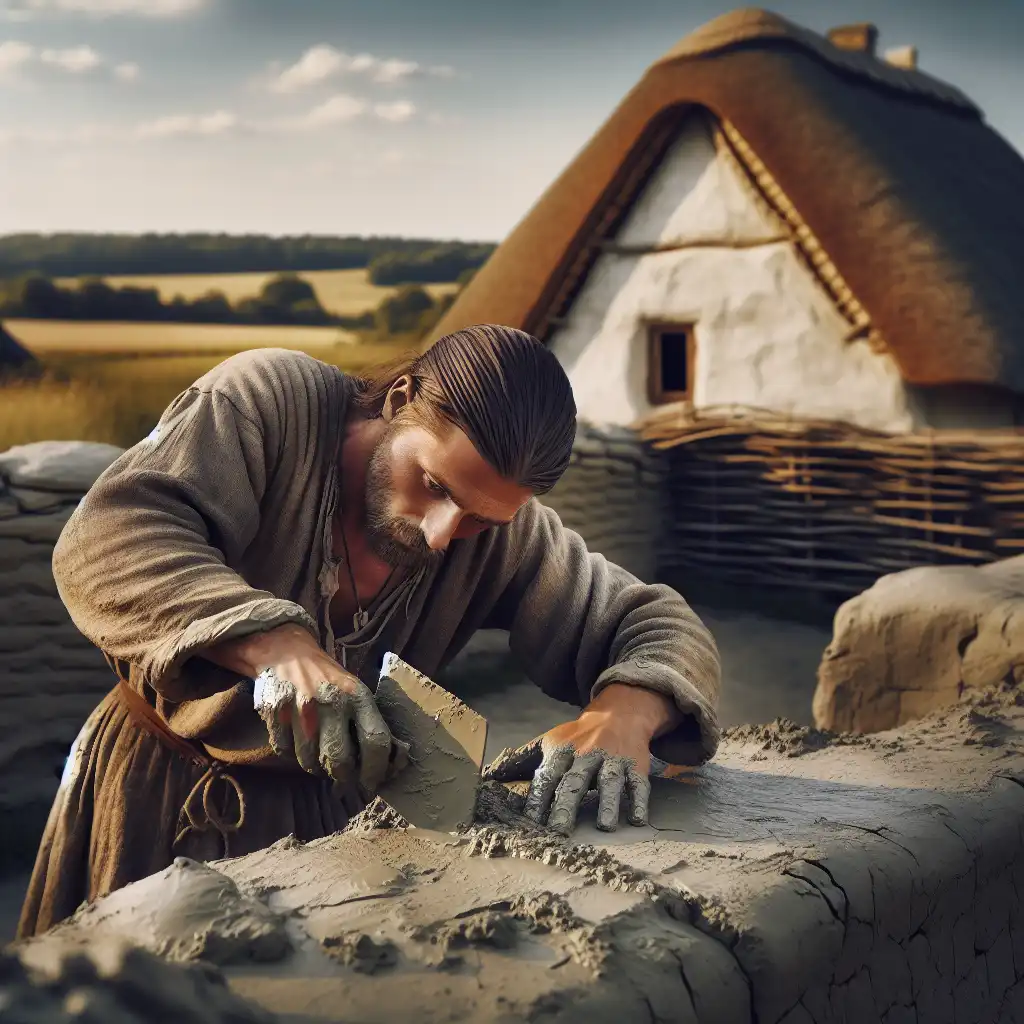
dɔːb
To cover or coat (a building) with mud or plaster
The ancient builders daubed the walls of the house with mud for insulation.
音频无法加载,请稍后再试。
Daub means to apply a thick, sticky substance on a surface in a rough manner. It is usually used when talking about painting or making something messy. For example, you could say, "He daubed the paint on the canvas with a brush" or "She daubed the frosting on the cake with a spatula."
A coat refers to a layer of material that is applied over a surface to protect it or enhance its appearance. Examples can include coats of paint, coats of varnish, coats of armor, coats of fur or coats of skin.
So while a coat implies a certain level of precision and intentionality, a daub can be more haphazard and improvised.
打开单词: Coat →Cover means to place something over an object, surface, or person to protect or conceal it.
It can also refer to providing the necessary protection, shelter, or security. For example, you cover your swimming pool to protect it from the leaves during the fall.
Cover is used to protect, provide shelter or conceal, whereas daub describes a careless or inexperienced application of a substance on a surface.
打开单词: Cover →Grease refers to a slippery or oily substance used to lubricate machinery or food products. This is applicable when you want to reduce friction and create smooth motion or when cooking.
打开单词: Grease →Daub typically refers to applying material in a rough or careless way, while paint refers to a more intentional and precise application of material.
Daub might be used to describe someone applying mud or clay onto a surface without much concern for the result, whereas paint would typically describe a more carefully planned and executed application of colored pigment onto a surface such as a canvas or wall.
打开单词: Paint →Plaster is a modern building material that is a mixture of cement, sand, and water.
Daub is an old-fashioned technique that involves coating walls with mud or clay, while plaster is a modern building material used in contemporary construction.
打开单词: Plaster →Daub means to apply something thickly and carelessly, while the word smear means to spread on a surface in an untidy or careless way.
Daub is applicable when you want to put something like paint or mud in a thick and rough way, while smear is applicable when you want to spread a substance on a surface like butter or cream cheese.
Daub is usually thicker and less neat than smear.
打开单词: Smear →Smudge means to smear or blur something, typically by rubbing or pressing it. Smudge is generally used when you want to blur or soften the edges of something, for example, when shading a drawing or to give a subtle effect.
The main difference between daub and smudge is the amount and tool used to apply them. Daub is used for heavier areas while smudge is used for a softer effect.
打开单词: Smudge →Daub means to apply something thickly or clumsily, whereas spread means to apply something thinly and evenly.
For example, you might daub on paint with a brush when you're doing some art, while you might spread butter on toast with a knife when having breakfast.
Overall, daubing is used for thicker substances and is less precise while spreading is used for thinner substances and is more precise.
打开单词: Spread →I like to treat paint as material - to daub it, drop it, let it slide. There was Action Painting, but I also compare it to paint effects found on the streets. This approach is superimposed on a sculptural surface that is also 'painterly.