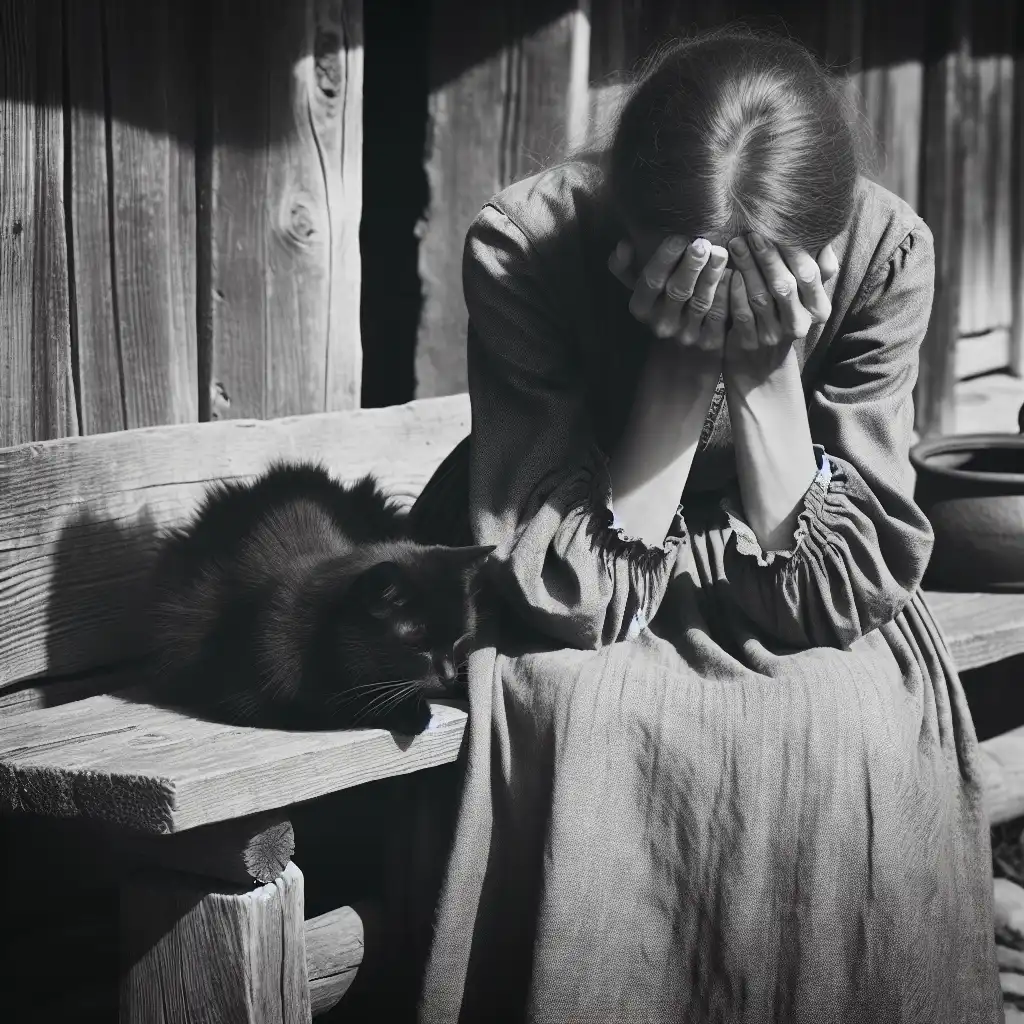
bewail
verb bewail
bɪˈweɪl
To express great sadness or disappointment about something
She began to bewail her bad luck.
bewail
bɪˈweɪl
Đang tải…
bɪˈweɪl
To express great sadness or disappointment about something
She began to bewail her bad luck.

bɪˈweɪl
To complain loudly or persistently
He continues to bewail the government's decision to cut funding.
Không tải được âm thanh. Vui lòng thử lại sau.
The word 'bewail' means to express deep sadness or grief about something. It is often used in formal or literary contexts, such as in religious texts or poetry. For example, people might bewail the loss of a loved one or the destruction of a city in a war. It is not a common word in everyday conversation, so it may sound quite formal or old-fashioned. It is important to use this word in appropriate contexts and only when necessary.
Both bemoan and bewail mean to express grief or sorrow about something.
However, bemoan is often used when expressing dissatisfaction or complaining about something, whereas bewail is typically used when expressing a deeper sense of mourning or lamentation.
For example, you might bemoan having to do chores, but you would bewail the loss of a loved one.
Mở từ: Bemoan →Deplore is used to express disapproval or condemnation for something. For instance, one may deplore the use of violence in a protest or deplore the unfair treatment of a certain group of people.
The key difference is that bewail is used to express sadness, while deplore is used to express disapproval or condemnation.
Mở từ: Deplore →Both words refer to feeling sorrow or sadness, but they differ in their usage. Grieve is a more general term for feeling sadness due to a loss or difficult situation.
For example, one may grieve the loss of a loved one or grieve a difficult breakup. Bewail suggests a more outward expression of sorrow, often accompanied by crying or lamenting.
A person may bewail a tragedy, such as a natural disaster or a war. Grieve is a general term for sadness, while bewail implies more dramatic and emotional expressions of sorrow.
Mở từ: Grieve →Both bewail and lament mean to express deep sorrow or grief.
However, bewail generally refers to a more vocal expression of sorrow, while lament can refer to either vocal or silent expressions of grief.
Bewail can also carry a connotation of complaint or protest, while lament tends to focus more on mourning or expressing sadness.
Overall, both words can be used interchangeably, but bewail is more specific in its meaning, while lament is broader and more flexible.
Mở từ: Lament →The words bewail and mourn are both used to express sadness and grief, but they have slight differences in meaning and usage.
Bewail usually describes a more intense and vocal expression of grief or mourning. It implies a sense of lamentation, often accompanied by crying, wailing, or other outward displays of emotion.
Mourn, on the other hand, is a more general term that can describe any expression of sorrow or grief, whether it is overt or subtle.
Mourn is often used as a more somber or introspective term than bewail.
For example, someone might mourn the loss of a relationship by feeling sad, solemn, or quietly reflective.
Bewail is used when someone is expressing strong emotions and outward displays of grief, while mourn is used for a more subdued and contemplative sense of sorrow or loss.
Mở từ: Mourn →Regret means to feel sorry or remorseful for something that happened, or for something that you did or didn't do. This is usually related to a specific action, decision or behavior that resulted in negative consequences or missed opportunities.
Bewail usually describes an overall feeling of sadness or grief, while regret is more focused on a specific action or decision that one wishes they had done differently.
Mở từ: Regret →Bewail means to express great sorrow or grief, usually in a loud and wailing way.
It is used when someone is mourning or lamenting something in a highly emotional and dramatic way. Sorrow is a feeling of deep sadness or distress, usually associated with loss or disappointment.
Bewail describes an intense expression of grief or sorrow, while sorrow is a general feeling of sadness or distress.
Mở từ: Sorrow →Weep on the other hand, means to cry softly and quietly, usually because of sadness or pain. People weep for different reasons, such as when they are going through tough times, watching a sad movie or reading a sentimental story.
Bewail is a loud expression of grief while weep is a soft expression of sadness. Bewailing is usually done in extreme situations of loss while weeping is done for a variety of reasons.
Mở từ: Weep →How to bring classical...
Xem trên YouTube ↗There is no explanation for evil. It must be looked upon as a necessary part of the order of the universe. To ignore it is childish, to bewail it senseless.
Bring on the learning...
Xem trên YouTube ↗We might have been - these are but common words, and yet they make the sum of life's bewailing.
There is no sense in crying over spilt milk. Why bewail what is done and cannot be recalled?
To mourn and bewail your ill-fortune, when you will gain a tear from those who listen, this is worth the trouble.
I have made a ceaseless effort not to ridicule, not to bewail, not to scorn human actions, but to understand them.
Men should be bewailed at their birth, and not at their death.
Occupy yourself in beholding and bewailing your own imperfections rather than contemplating the imperfections of others.
It seems this is an age of clever critics who keep bewailing the fact that there are no works worthy of criticism.
Young poets bewail the passing of love; old poets, the passing of time. There is surprisingly little difference.