clayey
adjective clayey
ˈkleɪi
Similar to clay or having a lot of clay in it.
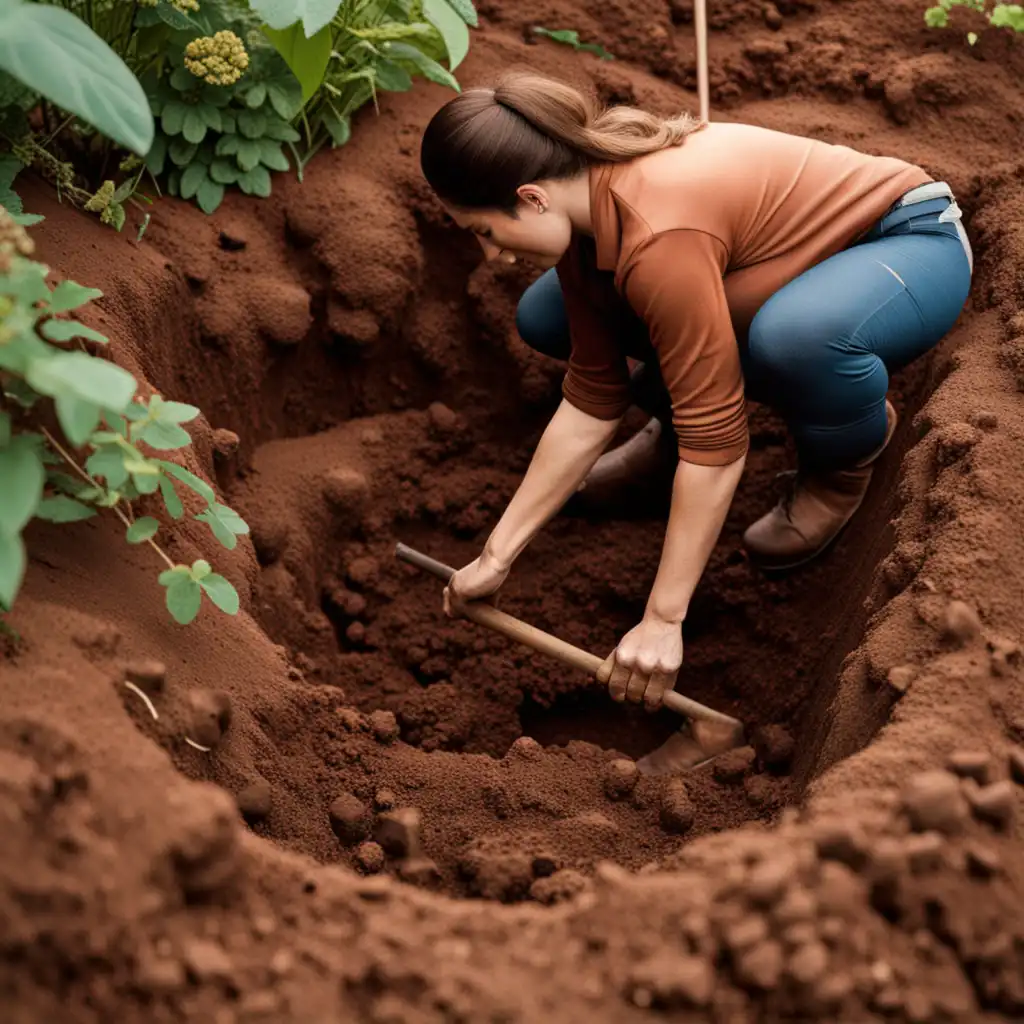
The soil in our garden is very clayey and hard to dig.
clayey
ˈkleɪi
Chargement…
ˈkleɪi
Similar to clay or having a lot of clay in it.
The soil in our garden is very clayey and hard to dig.
Impossible de charger l’audio. Réessayez plus tard.
The word 'clayey' is used to describe soil or dirt that has a lot of clay in it. Clayey soil is usually sticky and heavy, making it difficult to work with. It is often found in areas with a lot of moisture, such as riverbanks. If you are talking about gardening or construction, you may use the word 'clayey' to describe soil that is difficult to work with, or to explain why certain building materials may not be suitable for use in clayey soil.
Adhesive refers to a substance that can stick two or more objects together, like glue or tape, while clayey refers to a type of soil that contains a high amount of clay particles and can be molded or shaped when wet.
Adhesives are used in various industries for bonding materials, such as in carpentry, construction, and manufacturing. Clayey soil is used in pottery, construction, and agriculture for its ability to hold water, provide nutrients to plants, and be shaped into bricks or blocks.
Adhesive refers to a substance that sticks things together, while clayey refers to soil that can be molded or shaped when wet.
Adhesive is used in bonding materials, whereas clayey soil is used in construction, pottery, and agriculture.
Ouvrir le mot: Adhesive →Both clayey and gluey describe the texture and consistency of a substance, but they are used to describe different types of materials.
Gluey refers to materials that are thick, sticky, and adhesive, like glue or paste. These materials are often used for sticking things together, such as paper or fabric.
To summarize, clayey describes materials that are thick and moldable due to a high concentration of clay particles, while gluey describes materials that are thick and sticky, and used for adhesive purposes.
Ouvrir le mot: Gluey →Gummy on the other hand, refers to a sticky or adhesive texture or consistency. This term can be applied in many different contexts such as describing the texture of glue or certain foods.
Clayey is a term specific to soil types whereas gummy can describe a variety of textures and consistencies.
Ouvrir le mot: Gummy →Clayey and muddy refer to different types of soil. Clayey soil contains a lot of clay particles which can make the soil heavy and sticky.
Muddy soil contains a lot of water, which can make it soft and slippery.
Muddy soil is often found in areas with a lot of rainfall, and can be difficult to work with for farming.
The main difference between the words clayey and muddy is that they refer to different traits of soil. Clayey soil is heavy and sticky due to the amount of clay particles in it, while muddy soil is soft and slippery due to a lot of water.
Ouvrir le mot: Muddy →The term pasty refers to the texture of a substance, such as a paste or cream, that is thick and viscous, but not necessarily sticky like clay.
Clayey describes the texture of soil or material that is sticky and moldable, while pasty describes the thick and viscous consistency of a substance.
Ouvrir le mot: Pasty →Clayey refers to soil that contains a lot of clay particles, while plastic refers to the ability of a material to be molded or shaped.
Plastic refers to a material's ability to be molded or shaped into different forms. This can be applicable in many industries, such as manufacturing, construction, and art.
Clayey refers to a type of soil, while plastic refers to a material's ability to be molded or shaped. The former is applicable in construction, agriculture, and pottery, while the latter is applicable in manufacturing, construction, and art.
Ouvrir le mot: Plastic →Both clayey and sticky describe a type of soil.
Sticky soil is soil that is hard to work with because it sticks to tools and fingers. This type of soil is usually high in organic matter and is often found in wet areas.
Sticky soil can be difficult for gardening because it can lead to compacted soil and poor drainage.
Clayey soil is good for plants while sticky soil can be difficult to work with.
Ouvrir le mot: Sticky →Clayey refers to the content of a material containing clay, while viscous refers to the consistency of a fluid, meaning how thick or sticky it is.
Viscous fluids can be thick and difficult to flow, such as honey or molasses.
Clayey describes the content of a material, while viscous describes its consistency or flowability.
Ouvrir le mot: Viscous →