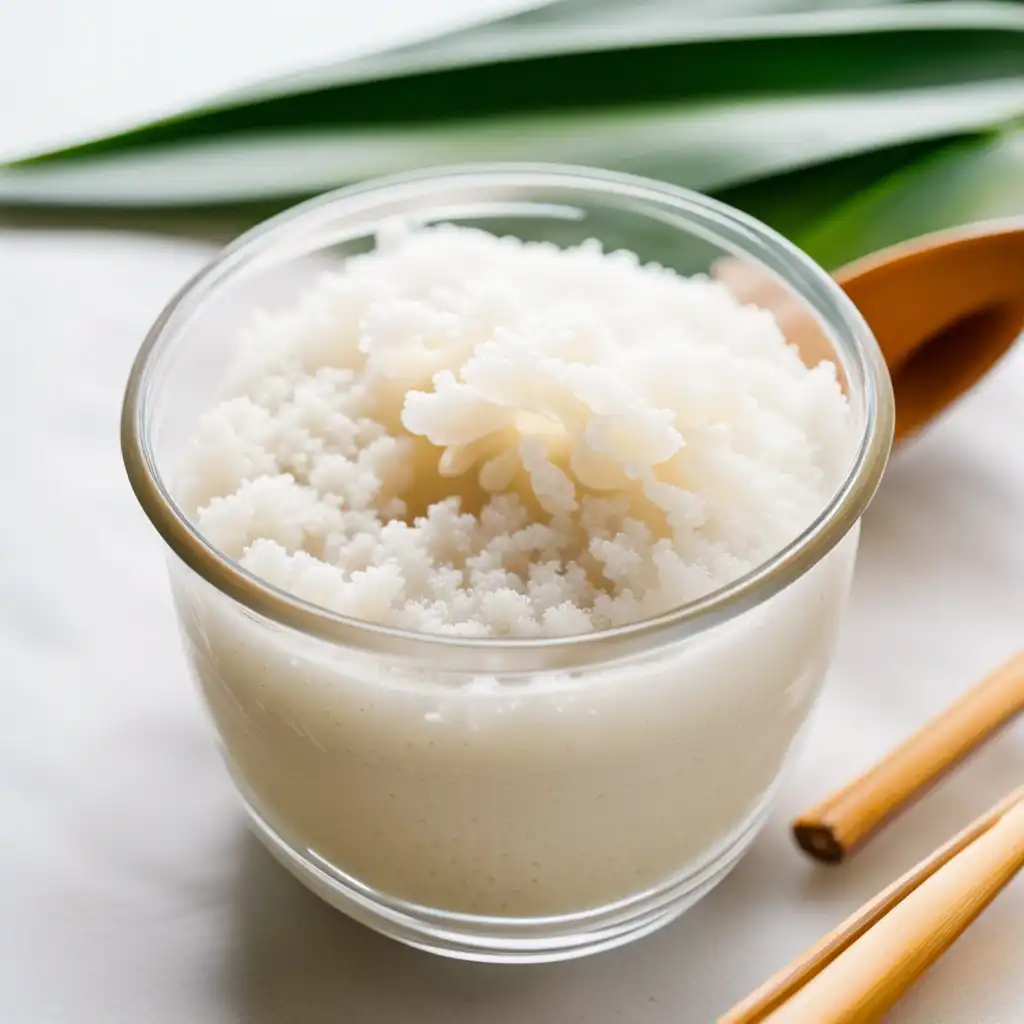
sago
noun sago
ˈseɪɡəʊ
A type of starch from tropical palm stems, often used in cooking.
We can use sago to make pudding.
sago
ˈseɪɡəʊ
Cargando…
ˈseɪɡəʊ
A type of starch from tropical palm stems, often used in cooking.
We can use sago to make pudding.

ˈseɪɡəʊ
A type of palm tree from which sago is produced.
Sago trees are commonly found in tropical regions.
No se pudo cargar el audio. Inténtalo de nuevo más tarde.
Sago is a type of starch that is made from the trunks of various types of palm trees. It is commonly used in cooking and can be used to make desserts, breads, and other dishes. Sago is often used in Southeast Asian cuisine, and it can be found in many grocery stores and specialty food stores. It is also a popular ingredient in some vegan and gluten-free recipes. If you want to try cooking with sago, look for recipes that call for it and follow the instructions carefully.
Arrowroot and sago are both types of starch used in cooking and baking.
Arrowroot comes from the root of the arrowroot plant and is often used as a thickener in sauces, gravies, and pudding. It is also gluten-free, making it a useful alternative for those with gluten sensitivities.
Arrowroot is particularly good at thickening liquids without making them cloudy.
Arrowroot is used primarily as a thickener while sago is used more as an ingredient in desserts and drinks.
Abrir palabra: Arrowroot →Cassava and sago are both starchy foods, but they come from different plants and have different uses.
Cassava is a root vegetable that is commonly found in tropical climates.
Cassava is often used to make flour, which can be used in baking or as a thickening agent in sauces and soups.
Cassava is a root vegetable used as a staple food and thickening agent, while sago is a plant-based starch used in desserts and drinks.
Abrir palabra: Cassava →Sago and tapioca are two different types of starch extracted from different plants. Sago is extracted from the pith of sago palm stems, while tapioca is extracted from the root of the cassava plant.
Sago is commonly used as a thickener or for making puddings in South and Southeast Asian cuisines. Tapioca is commonly used to make starchy puddings, boba or bubbles in bubble tea, and as a thickener in soups and sauces.
Sago and tapioca are two different starchy substances derived from different plants, and they have specific uses in different cuisines.
Abrir palabra: Tapioca →Borneo: Paradise Under...
Ver en YouTube ↗In the sago palms, you'll often find sago beetles which are about the size of your little finger. The Karowai put those on the fire until they're crispy and eat them. They taste a little bit like creamy snails. But compared to sago, the sago beetle is really pretty good.