trope
noun trope
trəʊp
A theme, pattern, or common idea in movies, TV shows, books, or other forms of storytelling.
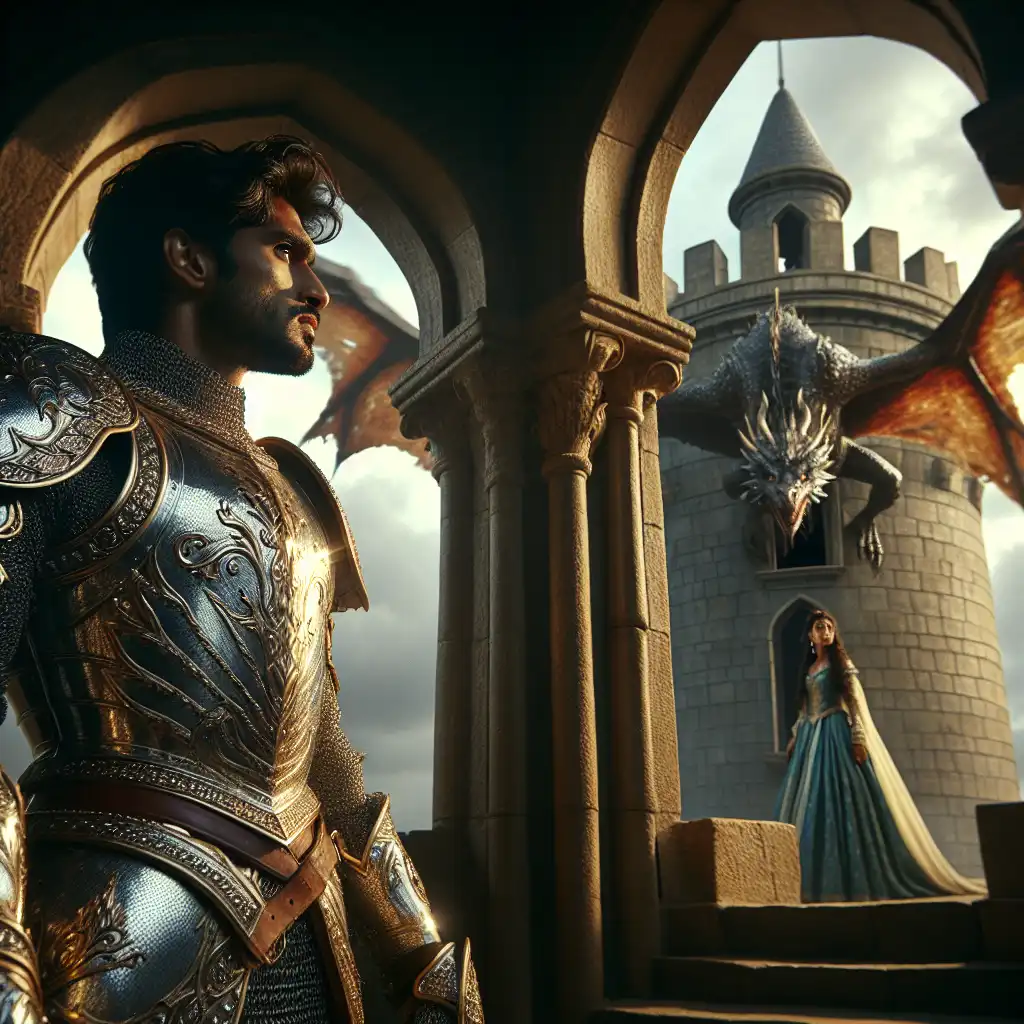
The 'rescue the princess' is a well-known trope in fairy tales.
trope
trəʊp
Cargando…
trəʊp
A theme, pattern, or common idea in movies, TV shows, books, or other forms of storytelling.
The 'rescue the princess' is a well-known trope in fairy tales.
trəʊp
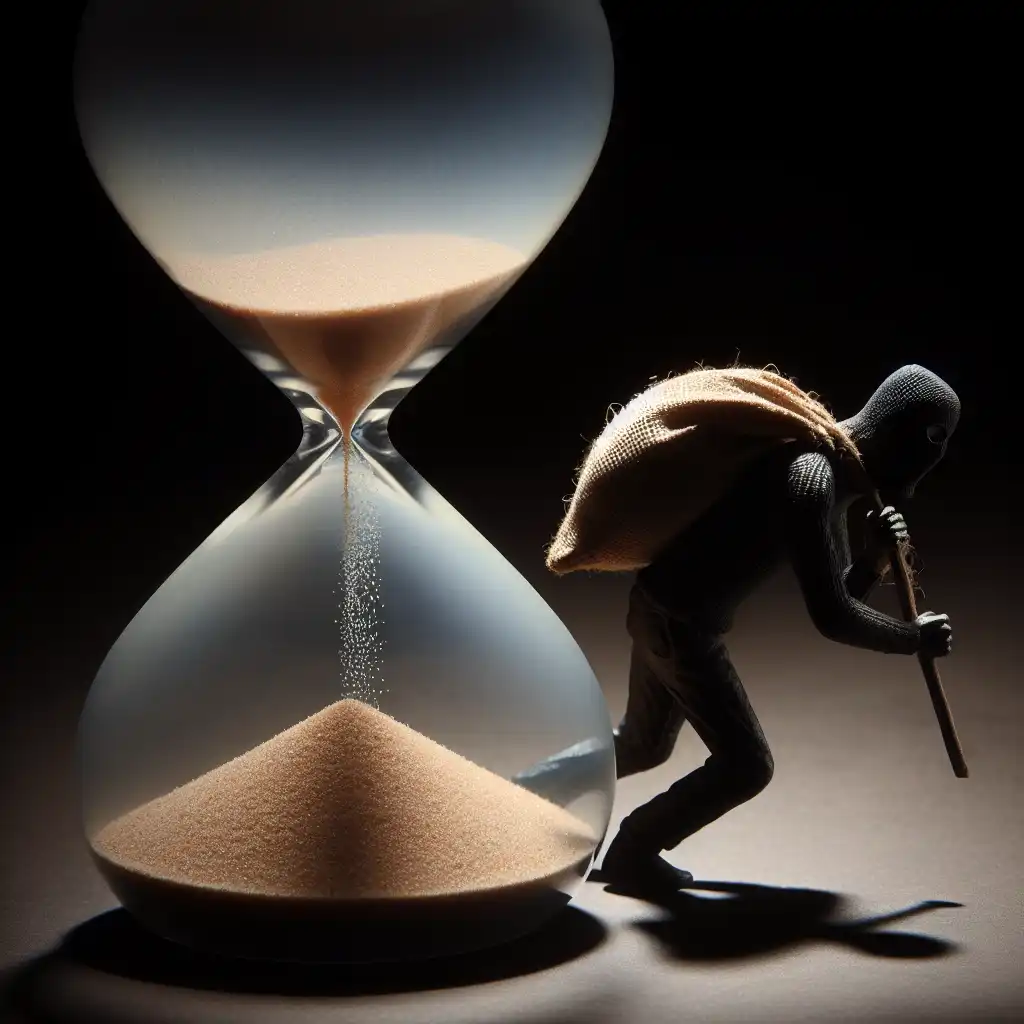
A figure of speech, such as a metaphor, where a word or phrase is used in a way different from its usual meaning.
In the phrase 'time is a thief', 'thief' is a trope used to represent time's ability to take away.
No se pudo cargar el audio. Inténtalo de nuevo más tarde.
A trope is a common or overused theme or pattern in a story, movie, TV show, or other creative work. It's like a common plot device or a recurring idea that you might have seen many times before. For example, in horror movies, the trope of the "final girl" is often used - the last surviving female character who defeats the killer. It's important to know about tropes when writing or talking about stories, as they can help you understand the underlying themes and provide context to your discussions.
An archetype is a universal symbol or idea that is repeated throughout literature and culture. It represents an abstract concept or idea that is easily recognized by everyone.
For example, a hero is an archetype that typically represents courage, selflessness, and morality.
In summary, archetypes are abstract concepts that are repeated throughout literature and culture, while tropes are common plot devices that are used to convey meaning.
Archetypes are more broadly applicable to many different fields, including psychology, mythology, and literature analysis, while tropes are more specifically used in the study of literature and media.
Abrir palabra: Archetype →A convention is a traditional way of doing something. It is a generally accepted practice or rule that is followed in a particular context or culture.
For example, writing a thank-you letter after an interview is a convention in the business world.
Conventions are applicable in specific settings or cultures. They are used to ensure that people follow the same rules and practices for specific occasions or situations.
In summary, conventions are traditional practices in a specific setting while tropes are common themes used in storytelling.
Abrir palabra: Convention →A device is a tool or technique used to achieve a specific purpose in storytelling, such as foreshadowing or character development.
In brief, devices are used by authors to tell stories effectively, while tropes are common themes or plot elements that show up in many stories.
Abrir palabra: Device →Formula refers to a specific set of rules, procedures or instructions that are followed to achieve a particular outcome.
Both words are applicable in different contexts. Formula is typically used when discussing specific processes or instructions, while trope is used when discussing recurring themes or patterns.
Formula is more concrete and specific, while trope is more abstract and open to interpretation.
Abrir palabra: Formula →A motif refers to a recurring symbol, idea or theme that is repeated in a work of art, literature or music. It is a recurring element that helps convey a message or theme.
For example, the motif of the color red in "The Great Gatsby" represents passion, love and danger.
Overall, motifs are unique to each work of art and help convey its specific message, while tropes are more general patterns that have become part of the wider culture.
Abrir palabra: Motif →A pattern is a regular and repeating arrangement of something. It could refer to a design, a sequence, or a behavior that happens repeatedly.
For example, a checkerboard pattern, a traffic pattern, or a pattern of speech.
In essence, a pattern is a physical or behavioral repetition, while a trope is a literary or artistic device.
Abrir palabra: Pattern →A stereotype is a widely accepted and oversimplified belief or idea about a particular group of people based on some attribute, such as race, gender, religion, or nationality.
Stereotypes can be negative or positive and can be based on assumptions, prejudices, or incomplete information.
For example, the stereotype that all Asians are good at math is a widely held and oversimplified belief about an entire race of people based solely on their ethnicity.
In summary, stereotypes relate to people and their attributes, while tropes relate to storytelling and narrative devices.
Abrir palabra: Stereotype →A theme is a broad message or idea that is central to a piece of literature or art.
A trope is a recurring plot or character element that is used in literature or art. Tropes are often used to convey a particular message or theme.
While themes are broad, abstract concepts, tropes are more concrete and specific.
A theme can be applied to many different pieces of art, while a trope is often only used in specific genres or types of stories, such as fantasy or science fiction.
A theme is a broad message or idea that is central to a piece of literature or art, while a trope is a specific plot or character element that is used in literature or art to convey a particular message or theme.
Abrir palabra: Theme →The 4 a.m. mystery %\PIPE%...
Ver en YouTube ↗I'm used to one-dimensional female friendships. It's become a kind of trope.
Why tragedies are...
Ver en YouTube ↗I never realized before this the emotional power of some really simple, corny tropes: people with top hats, people with batons, confetti going off, how important it is to smile.
After Decades of...
Ver en YouTube ↗I try to be an active griever. I feel like we lean on time because of the trope 'Time heals all wounds.' And there is truth to that, but I don't think that it's absolute. I think that to grieve and to deal and cope, you have to be actively processing the information. Have your moments, be broken, and allow yourself to fully express pain.
Ed Yong: Suicidal wasps,...
Ver en YouTube ↗I have a problem with the term 'leading man.' It's so limiting; it involves not upsetting anyone. Obviously, we have anti-heroes now, but if we're talking about the two tropes - character actor and leading man - I would so rather be a character actor. That's why I have a career.
Chip Kidd: The art of...
Ver en YouTube ↗The title 'Crazy Ex-Girlfriend' is meant to be a deconstruction of a stereotype, and the whole show is about deconstructing the boxes that we're supposed to be put into. We like taking apart the tropes and the stereotypes and explore the nuances, so 'Crazy Ex-Girlfriend' is a label that we go deep underneath to explore.
How to lead in a crisis...
Ver en YouTube ↗I grew up in a cloistered, conservative culture that adhered to strict gender roles. So it's easy to understand why the 'girl dressed as a boy' trope resonated so much. In a world that didn't want to give people like me adventures or significance, books with cross-dressing girls were treasures.
"Good" and "bad" are...
Ver en YouTube ↗A lot of animated movies in the past have sort of relied on these archaic tropes on what the female characters in those movies can be and who they are.
Andrew Fitzgerald:...
Ver en YouTube ↗When people think girl adventurers, they tend to think of a spunky, plucky tom-boy with a chip on her shoulder. I'm not saying that this makes for a dull character, but I think other types of adventurous girls exist. It's easy to fall into well-established tropes, believing that the tropes of a genre define the genre itself.
The Critical Role of...
Ver en YouTube ↗My novels tend to come about from a fusion of two big ideas, creating a critical mass that then fissions, throwing off hundreds of other particles, riffs, tropes and characters.
Inside the bizarre world...
Ver en YouTube ↗In movies and TV, we tend to fall into tropes about how characters might get out of problems. But when you look at real life, you realize that there is a lot of drama of not being able to get out of the problems.