meteorology
noun meteorology
ˌmiːtiəˈrɑːlədʒi
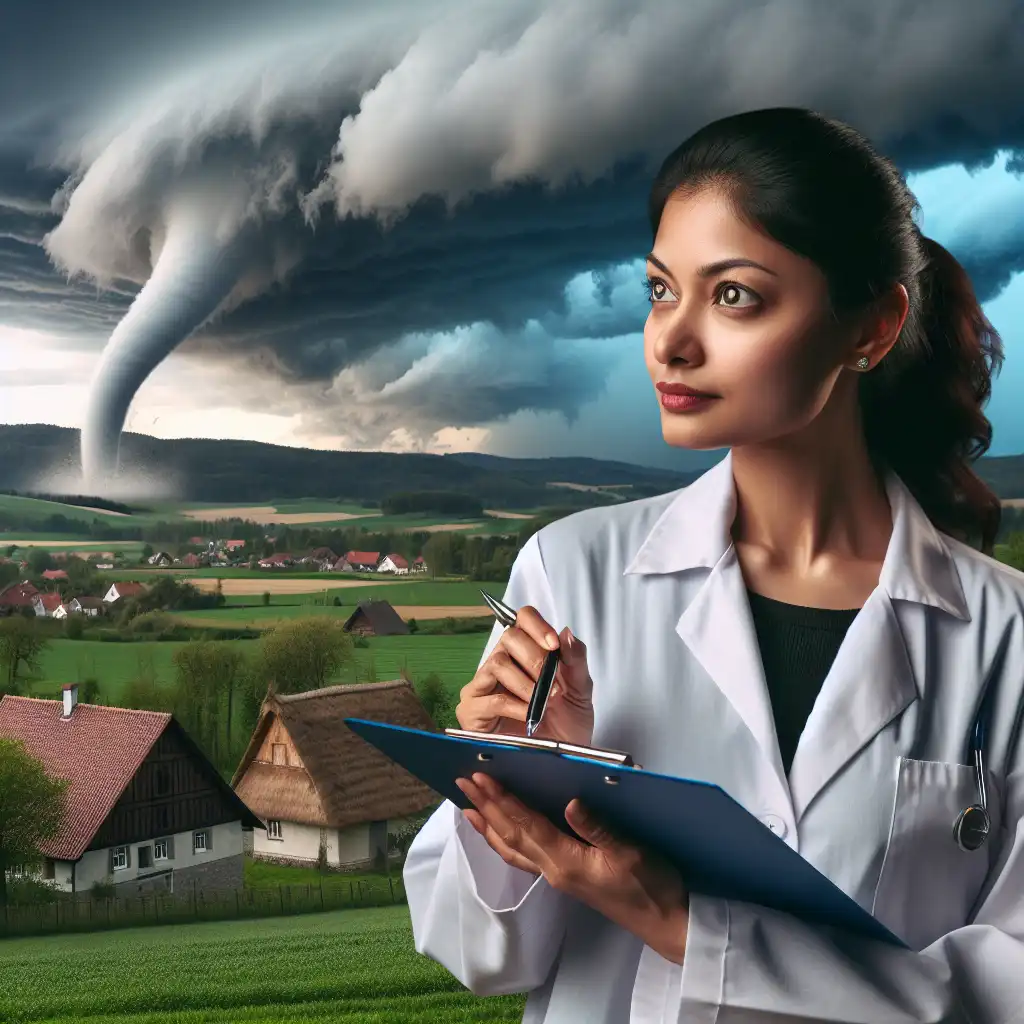
The science that studies the atmosphere and its phenomena, like weather and climate
He developed an interest in meteorology after a tornado struck his hometown
meteorology
ˌmiːtiəˈrɑːlədʒi
불러오는 중…
ˌmiːtiəˈrɑːlədʒi
The science that studies the atmosphere and its phenomena, like weather and climate
He developed an interest in meteorology after a tornado struck his hometown
ˌmiːtiəˈrɑːlədʒi
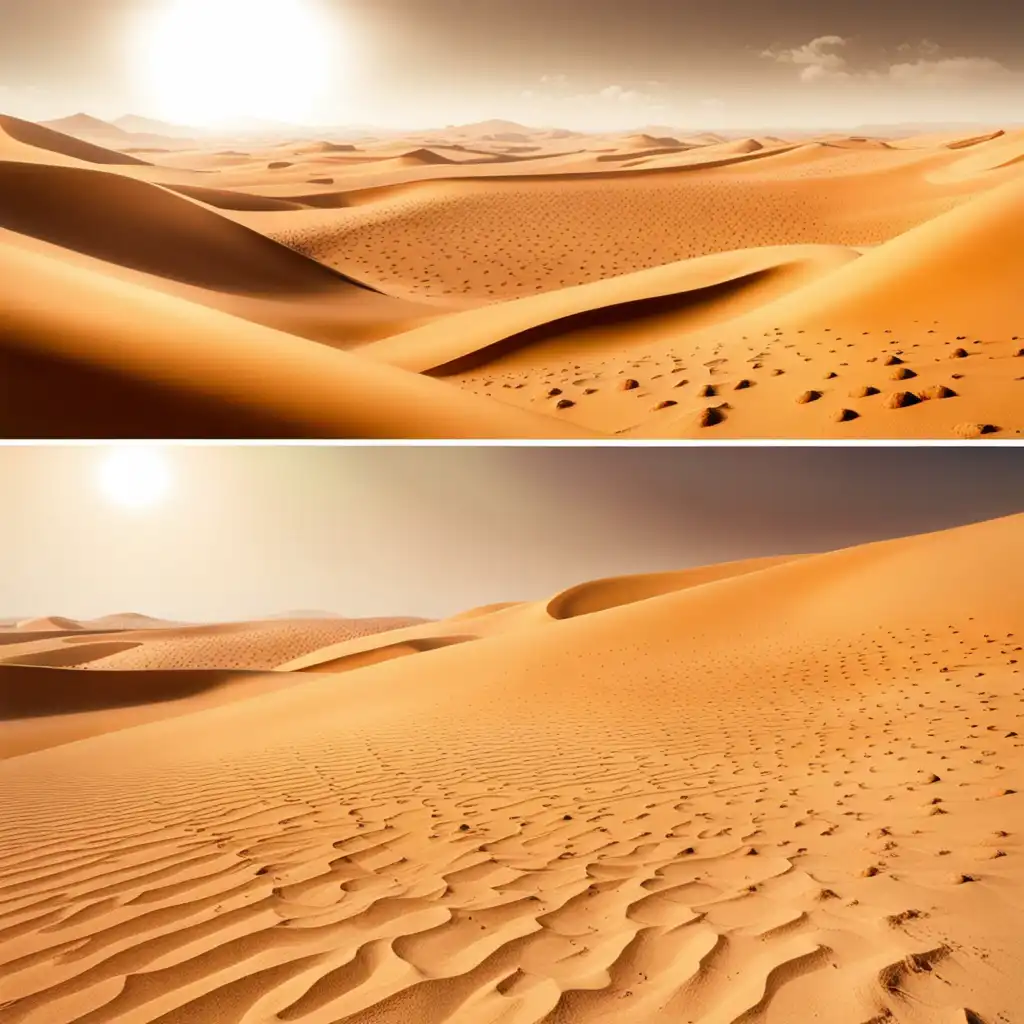
The climate and weather conditions of a certain place
The meteorology of the Sahara Desert is characterized by extreme heat and scarce rainfall
오디오를 불러오지 못했어요. 잠시 후 다시 시도해 주세요.
Meteorology is the study of the earth's atmosphere, weather, and climate. It's a science that helps us understand and predict weather patterns, such as storms, hurricanes, and droughts. It can also be used to study and predict climate change. Meteorology is used by weather forecasters, pilots, farmers, and many other professionals. So, if you're interested in studying weather and climate, meteorology is the word you'll need to know.
Climatology and meteorology are both branches of atmospheric science that study different aspects of the Earth's weather and climate.
Climatology primarily focuses on long-term patterns and trends in weather and climate, such as changes in temperature, precipitation, and other conditions over periods of years, decades, or centuries.
Both climatology and meteorology are important fields of study that help us understand and forecast weather and climate patterns, but they focus on different time scales and aspects of atmospheric science.
단어 열기: Climatology →How did clouds get their...
YouTube에서 보기 ↗I like science - geography, meteorology, cosmology.
I leapt from the...
YouTube에서 보기 ↗Through meteorology, we know essentially how hurricanes form, even though we can't say where the next storm will arise.
DODDS Finalist %\PIPE%...
YouTube에서 보기 ↗I always had becoming a meteorologist as my goal from the second I decided, while I was in school, just to study meteorology.
Saturn itself is a giant planet, and there's much to be gained by investigating its meteorology and studying its magnetic field.
I preferred to use mathematics in some practical fashion and thought that meteorology sounded promising.
I was very fascinated with meteorology at a young age. I lived on the Gulf Coast and hurricanes blew through there. That is the class I failed in college: meteorology.
I gained a first class degree in Physics at Imperial College London in 1968 and did research in solid state physics, but did not pursue meteorology matters until gaining an M.Sc. in astrophysics from Queen Mary College London in 1981, after which I investigated and attempted to construct theories of solar activity.
Perhaps one day earthquakes, hurricanes and financial crashes will all be predictable. But we don't have to wait until then for seismology, meteorology and economics to become sciences; they already are.