warlike
adjective warlike
ˈwɔːrlaɪk
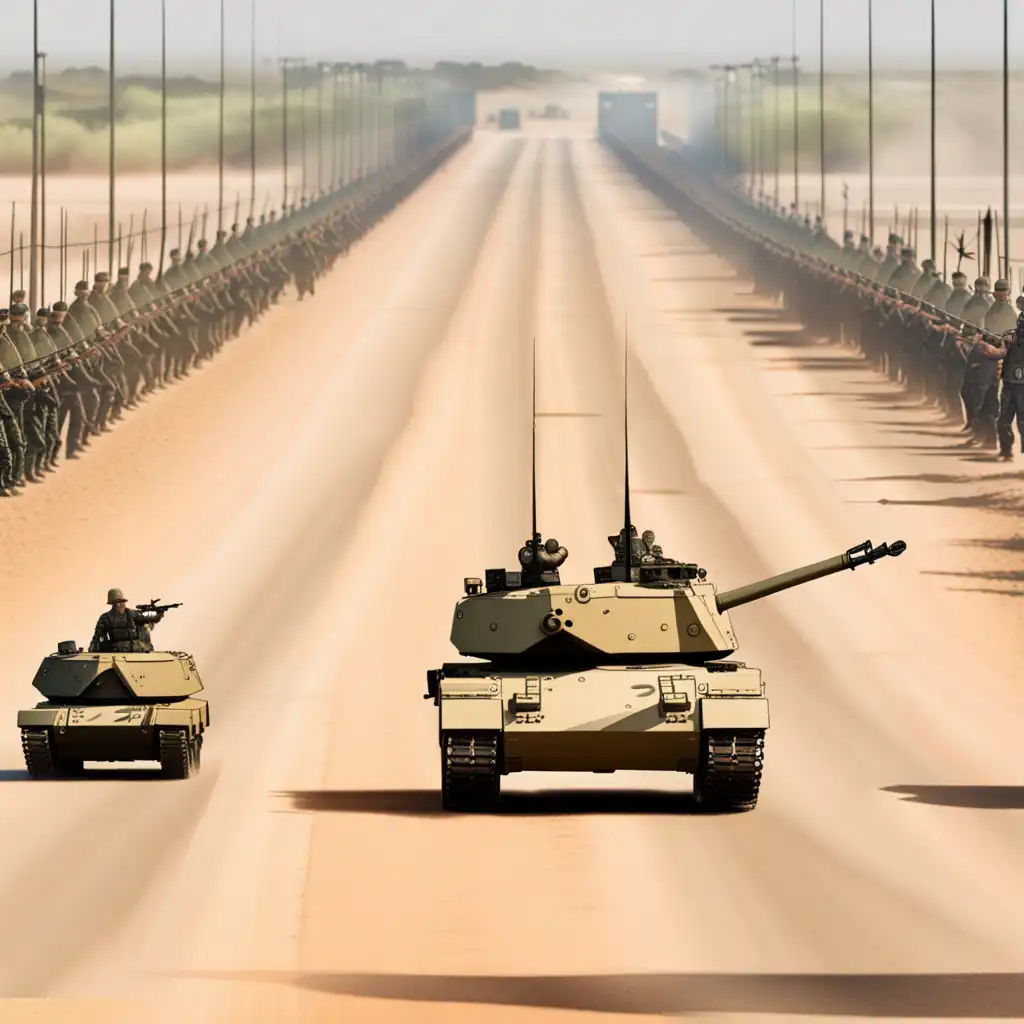
Like or similar to war, or showing a readiness to resort to force or violence.
The neighboring country held a warlike stance.
warlike
ˈwɔːrlaɪk
読み込み中…
ˈwɔːrlaɪk
Like or similar to war, or showing a readiness to resort to force or violence.
The neighboring country held a warlike stance.
ˈwɔːrlaɪk
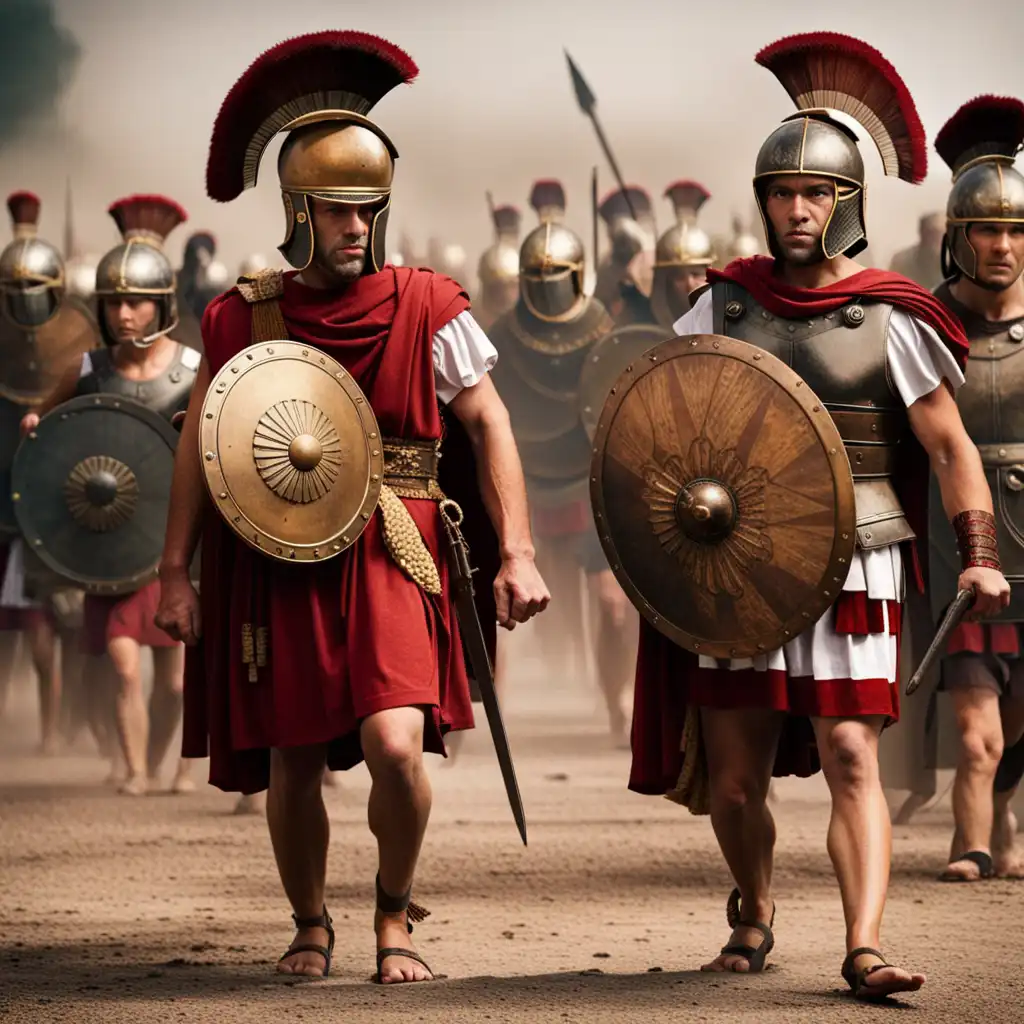
Fit or suited for war or a warrior.
The ancient Romans were a warlike people.
音声を読み込めませんでした。しばらくしてからもう一度お試しください。
The word 'warlike' is used to describe someone or something that is ready or inclined to fight. It can also refer to a situation or behavior that might lead to conflict or aggression. For example, "The nation was described as having a warlike attitude towards its neighbors" or "The angry crowd had a warlike demeanour". It is important to note that 'warlike' is not always a positive attribute, as it is often associated with violence and aggression.
Aggressive means someone is behaving in a forceful or hostile manner towards others.
Aggressive suggests a behavior or attitude toward others, while warlike suggests a preference for violence and conflict.
Aggressive can be used in a wider range of contexts, while warlike is more suited to discussions about nations or groups potentially engaging in military activity.
単語を開く: Aggressive →Both bellicose and warlike refer to qualities or tendencies related to violence and war.
Bellicose refers more specifically to a aggressive or hostile attitude or behavior towards others, especially in the context of international relations or diplomacy.
For example, a country might have a bellicose foreign policy if it frequently threatens other nations with military action or uses aggressive tactics to advance its interests.
Bellicose is a more focused and targeted term, while warlike is broader and more general.
単語を開く: Bellicose →Belligerent and warlike are both words used to describe hostile or aggressive behavior, but there is a subtle difference between them.
Belligerent implies a readiness or willingness to fight, usually in a verbal or argumentative sense. For example, someone who is belligerent might be quick to start an argument or use aggressive language, but they may not necessarily be physically violent.
Belligerent is applicable to more everyday situations where someone is being argumentative or confrontational, while warlike is better suited to situations that involve actual physical violence, military conflict, or other large-scale aggression.
単語を開く: Belligerent →Combative refers to a person who is aggressive and ready to fight or argue.
The difference between these two words is that combative refers to a personal characteristic while warlike refers to a more general state of being.
単語を開く: Combative →Hostile means unfriendly, aggressive or antagonistic toward someone or something.
Hostile suggests a negative disposition towards someone, while warlike suggests a greater level of hostility with a potential for violence or warfare.
単語を開く: Hostile →Martial means relating to the armed forces or war.
It can describe anything related to military training, equipment or personnel. For example, a martial art is a type of combat practice, and martial law is the legal framework used during a military conflict.
In essence, martial has a specific connection to warfare, while warlike describes the attitude of someone or something in relation to war.
単語を開く: Martial →Militant typically refers to someone who is aggressive or combative in support of a specific cause or belief, often using violent or confrontational tactics to achieve their goals.
Militant tends to refers to people who are actively fighting for a specific cause, while warlike refers more generally to a state of being prepared for or inclined towards war or conflict.
単語を開く: Militant →Pugnacious means someone who is eager to fight or argue. It is applicable in situations where someone is known to pick fights or be confrontational.
Pugnacious describes a person's behavior or attitude, while warlike describes a situation or environment.
単語を開く: Pugnacious →Our lonely society makes...
YouTube で見る ↗Computer games tend to be boys' games, warlike games with more violence. We have not spent enough time thinking through how to encourage more girls to be involved in computing before coming to college so they can see a possible career in information technology.
The Real Amazons %\PIPE%...
YouTube で見る ↗War had always seemed to me to be a purely human behavior. Accounts of warlike behavior date back to the very first written records of human history; it seemed to be an almost universal characteristic of human groups.
It is the circuit of the great ruinous deed when the name of the seventh is that of the fifth; when the third, even greater, the warlike stranger will take Paris, nor will Provence save her.
There are no warlike people - just warlike leaders.
The Romans, we are told, were by nature a peculiarly warlike race.
Some parents say it is toy guns that make boys warlike. But give a boy a rubber duck and he will seize its neck like the butt of a pistol and shout 'Bang!
Everything connected with war and warlike exploits is interesting to a boy.
The slightest acquaintance with history shows that powerful republics are the most warlike and unscrupulous of nations.
We must assent to the will of Heaven above and conform to the wishes of men on earth below, but the government should assert the majesty of its warlike might in order to drive away the hordes of fierce and cruel men. We know that the dispositions of these outer barbarians are as ravenous as those of wolves.
The design of those commissioners, frigates and warlike force is directed rather against Long Island and these your Honors' possessions, than to the imagined reform of New England.