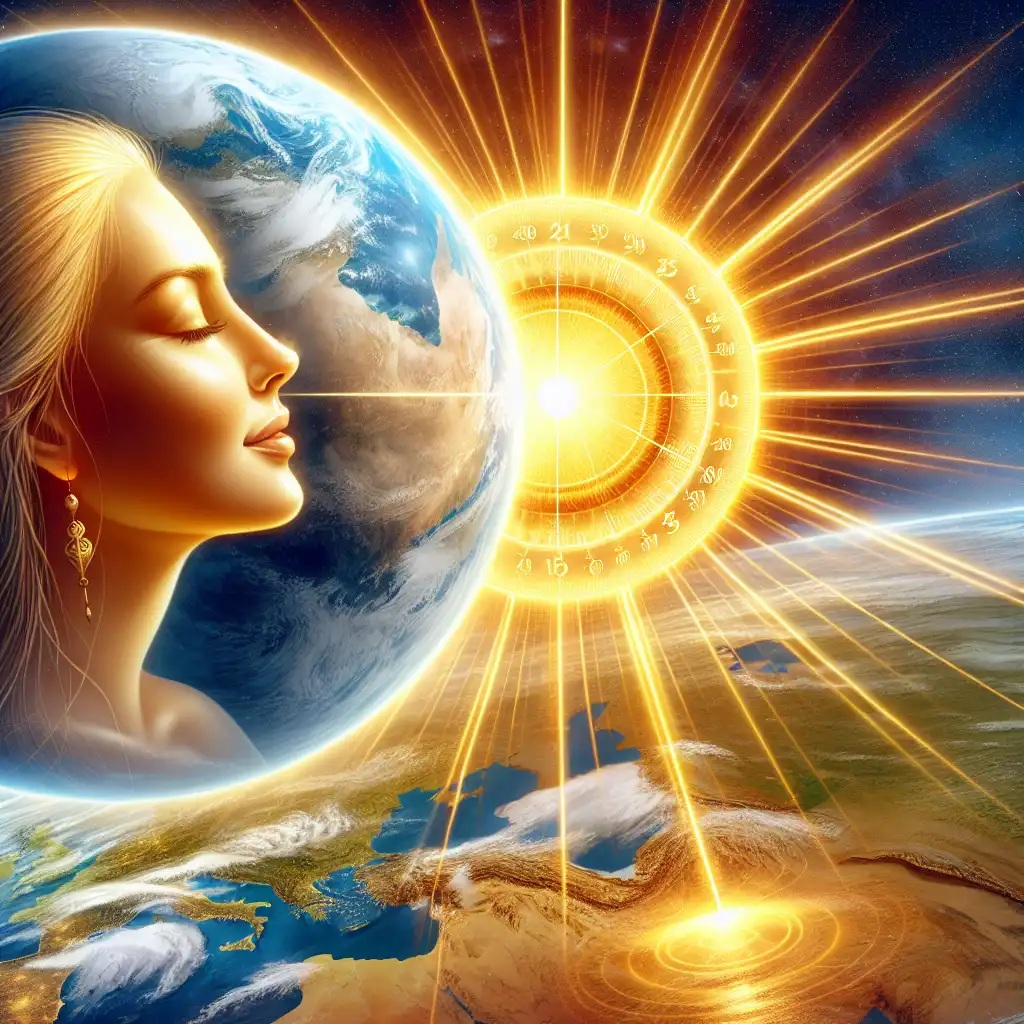
insolation
noun insolation
ˌɪnsəˈleɪʃn
The amount of sunlight that reaches the earth's surface
If we move to the equator, we will receive a higher amount of insolation.
insolation
ˌɪnsəˈleɪʃn
読み込み中…
ˌɪnsəˈleɪʃn
The amount of sunlight that reaches the earth's surface
If we move to the equator, we will receive a higher amount of insolation.

ˌɪnsəˈleɪʃn
Exposure to the sun
Excessive insolation can cause heat stroke.
音声を読み込めませんでした。しばらくしてからもう一度お試しください。
Insolation refers to the amount of solar radiation that reaches the earth's surface. It is often used in the context of measuring and understanding climate, weather patterns, and the energy balance of the planet. When we talk about insolation, we're referring to the amount of sunlight that hits a particular area over a given time period. This can vary depending on factors like season, latitude, cloud cover, and atmosphere. Insolation is an important concept in fields like meteorology, environmental science, and renewable energy.
It takes into account factors such as latitude, season, time of day, and atmospheric conditions that can affect the amount of sunlight that actually reaches the Earth's surface.
Sunlight refers simply to the visible and infrared energy emitted by the sun. While related to insolation, it does not take into account the varying factors that determine how much sunlight reaches a particular area.
Sunlight is a more general term used to describe the light that we see and feel on a daily basis.
単語を開く: Sunlight →Champion Sidecar Racer...
YouTube で見る ↗An economy can survive with 10% of the population insolation. It can't survive when 50% of the population is in isolation.