blackly
adverb blackly
ˈblækli
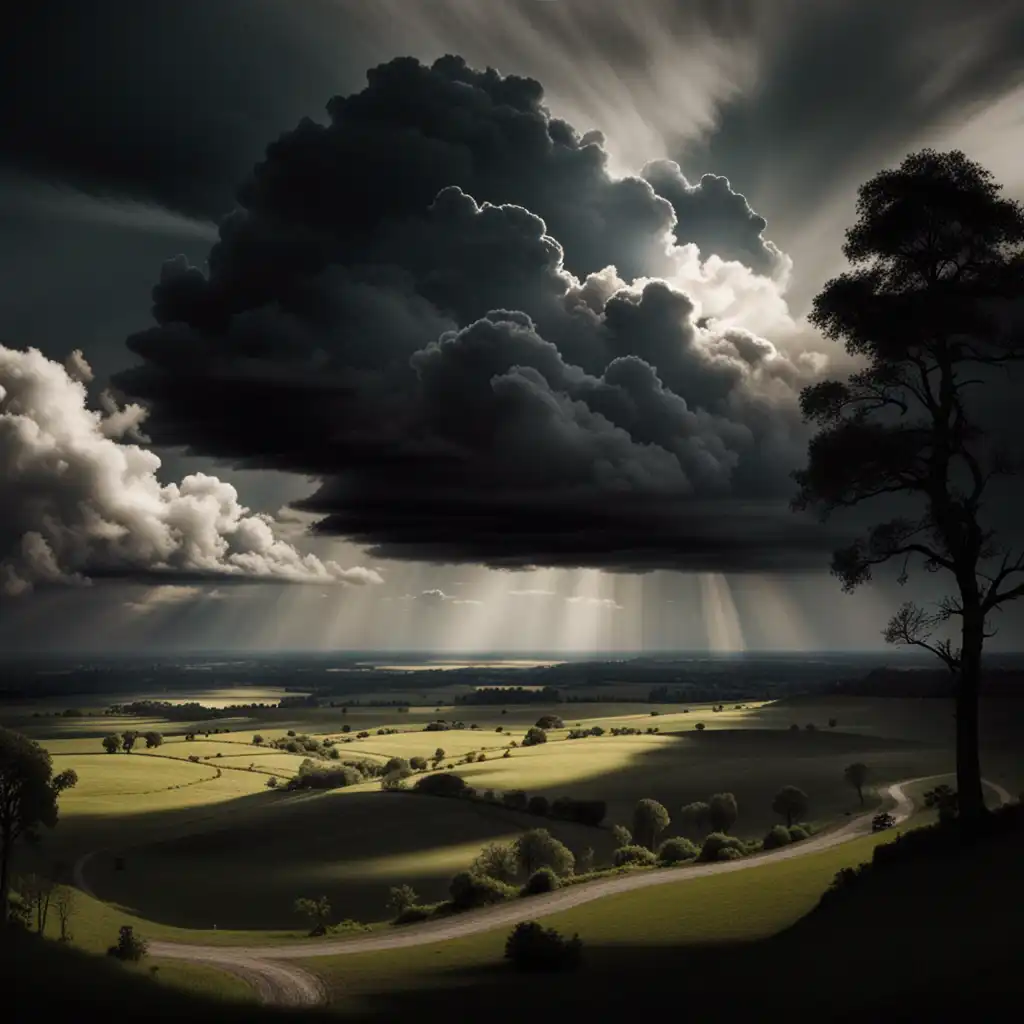
In a very dark or gloomy manner
The clouds rolled in blackly, obscuring the sun.
blackly
ˈblækli
Cargando…
ˈblækli
In a very dark or gloomy manner
The clouds rolled in blackly, obscuring the sun.
ˈblækli
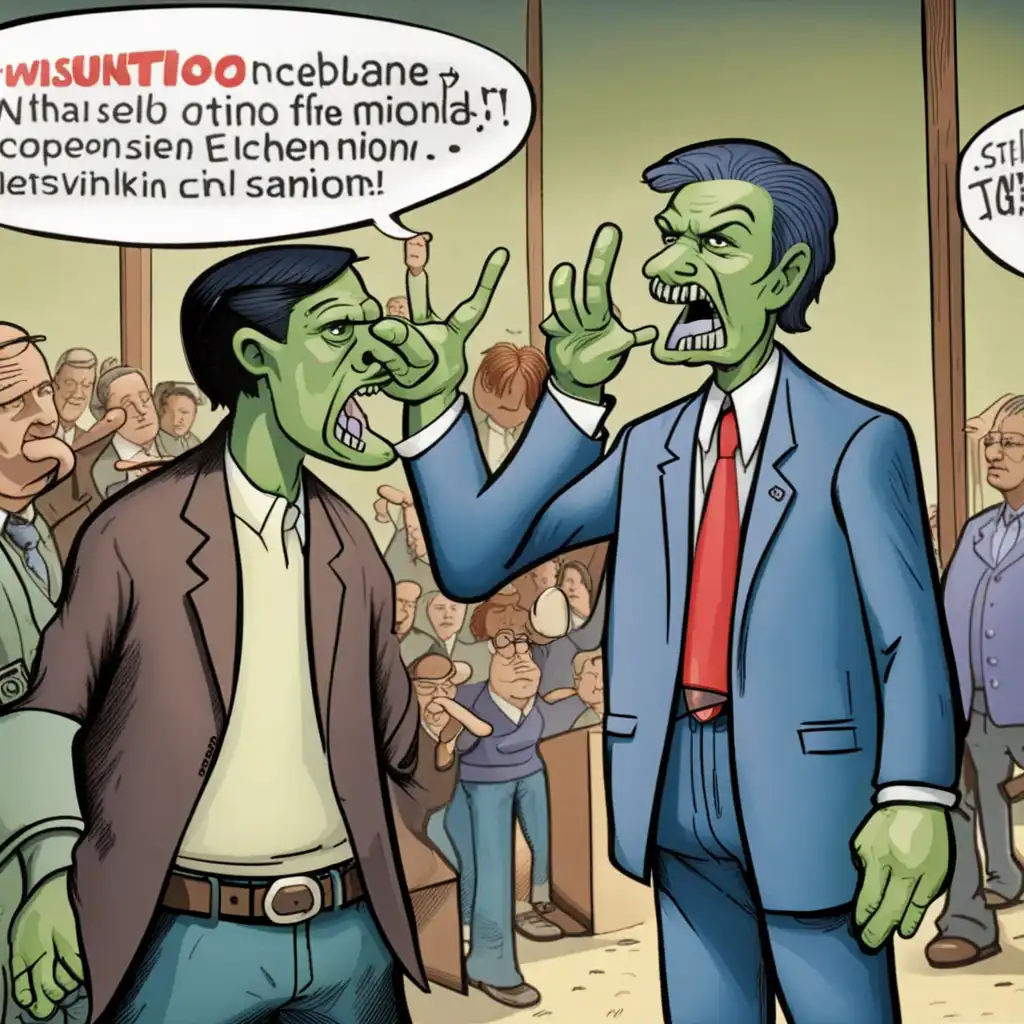
In a way that is unfair or wicked
He blackly defamed his opponent's character in order to win the election.
No se pudo cargar el audio. Inténtalo de nuevo más tarde.
'Blackly' is an adverb that refers to something being extremely dark or gloomy, often used to describe emotions or thoughts. It's mostly used in literature or when describing moods and thoughts, and not commonly used in everyday language. An example of using 'blackly' in a sentence is "She stared blackly at the blank computer screen, her mind churning with frustration."
Dark generally refers to a lack of light or brightness, and can be applied to various contexts such as the night sky, shadows, or a grim atmosphere.
Abrir palabra: Dark →Blackly and dull are both adjectives used to describe something, but they have different meanings.
Dull refers to something that is lacking in interest, excitement, or brightness. For example, "The lecture was so dull that I fell asleep.".
Blackly is used more to describe something with negative connotations, while dull describes something that is lacking in interest or excitement.
Abrir palabra: Dull →Gloomily means something that is sad, dismal or unhappy. It's more applicable to situations where there is a sense of depression, hopelessness or gloom, like a rainy day that makes you feel blue or a party where nobody is having fun.
So, in short, blackly is associated with darkness and malevolence, while gloomily is associated with sadness and melancholy.
Abrir palabra: Gloomily →Grim refers to something that is bleak, unpleasant, or serious. It is applicable in situations where there is a sense of foreboding or a lack of hope.
To summarize, blackly describes something with negative intentions, while grim describes something that is unpleasant or serious.
Abrir palabra: Grim →Morose also describes a sadness, but it refers specifically to a sour or sullen mood. It's often used to describe someone who is depressed or unhappy, and is feeling irritable or bad-tempered as a result.
For example, "After the accident, he became morose and withdrawn, refusing to talk to anyone."
Blackly describes a dark or ominous mood or atmosphere, while morose describes a sullen or unhappy person.
Abrir palabra: Morose →Sombre describes something that is also dark, but in a more subdued and serious way.
It is often used to describe moods or events that are solemn or mournful. For example, "The funeral procession was a sombre affair, with everyone dressed in black and the sound of weeping filling the air.".
Blackly describes something dark and negative with a sense of evil or danger, while sombre describes something dark and serious with a sense of sadness or grief.
Abrir palabra: Sombre →The Choirboys' is very much a product of its mid-1970s time, especially in its two-dimensional portrayals of cop groupies Ora Lee and Carolina Moon, but the energy of Wambaugh's newfound, blackly comedic voice is a revelation, a trap-door opening into all facets of a policeman's world.