
origin
noun origin
ˈɔːrɪdʒɪn
The point or place where something begins or is created
The story has its origin in a real event.
origin
ˈɔːrɪdʒɪn
Đang tải…
ˈɔːrɪdʒɪn
The point or place where something begins or is created
The story has its origin in a real event.

ˈɔːrɪdʒɪn
A person's social background or ancestry
She is of Chinese origin.
ˈɔːrɪdʒɪn
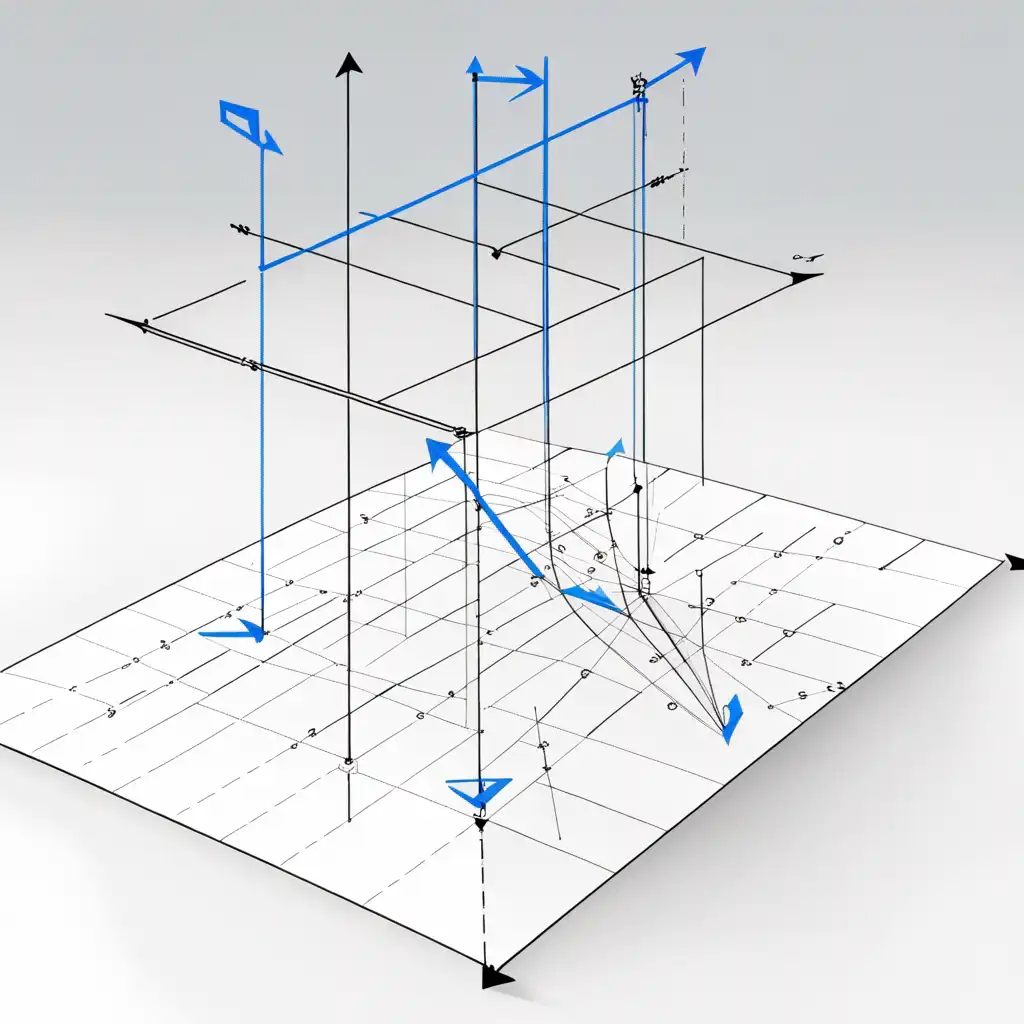
A fixed point from which coordinates are measured in a geometric or other system
The origin of the coordinate system is at the center of the sphere.

ˈɔːrɪdʒɪn
The first stage of existence or the earliest version of something
The documents were of sixteenth-century origin.
Không tải được âm thanh. Vui lòng thử lại sau.
The word "origin" means where something comes from or where it started. For example, you might ask someone about the origin of their family or their country. The word can also refer to the beginning or starting point of something, such as the origin of a story or a new idea. It is commonly used in history, science, and culture to describe the roots or source of something.
Antecedent refers to something that came before or existed before a particular event or object.
It is usually used in the context of cause and effect - the antecedent is the cause that led to the effect, or the thing that happened before the current situation.
For example, if someone is having an allergic reaction, their antecedent may be something they ate or touched that caused the reaction.
Antecedent describes the cause or event that came before something else, while origin refers to the starting point or source of something.
Mở từ: Antecedent →Beginning refers to the start or commencement of something whereas origin refers to the source of something or where something comes from.
For example, the beginning of a story would be the first sentence, whereas the origin of the story might be the inspiration or idea behind it.
Similarly, the beginning of a race would be the start line, while the origin of the race might be the historical event or tradition that led to its creation.
Beginning is applicable when talking about the start of something, while origin is applicable when discussing the source or where something comes from.
Mở từ: Beginning →Cause refers to the reason something happens or the action that results in a certain outcome.
It is used to identify the source of an effect or an event. For example, "The cause of the fire was a faulty electric wire.".
Cause is used to identify the reason behind an effect or an event, whereas origin is used to identify the starting point or source of something.
Mở từ: Cause →Creation refers to the act of bringing something into existence or making something new.
It is often associated with the idea of a creator, such as God in many religions. For example, the creation of the universe is the act of bringing it into existence.
In simpler terms, creation is about making something new and origin is about where something came from. Creation is more applicable when talking about something that did not previously exist, while origin is more applicable when talking about something that existed in some form and has a history or backstory.
Mở từ: Creation →Genesis generally refers to the beginning or creation of something.
It is often used to describe the origin or source of something. For example, the Genesis story in the Bible describes the creation of the world.
Genesis and origin both refer to the beginning or source of something, but genesis is typically more specific and refers to the creation or origin of something, while origin is broader and can refer to a person's ancestry or the cause of an event.
Mở từ: Genesis →Inception refers to the beginning or the starting point of something. It specifically refers to the point in time when an idea or a plan is first conceived.
Inception is used for the starting point of an idea or plan, while origin is used for the beginning or source of something.
For example, the inception of a business plan would be when the idea for the business first came about, while the origin of the English language would be traced back to its roots in German and Latin.
Mở từ: Inception →Provenance refers to the history of ownership of an object or document.
It describes the chain of custody that an item has gone through over time. For example, the provenance of a painting might include information about who previously owned it, where it has been exhibited, and how it ended up in its current location.
Origin describes where something came from, while provenance describes its ownership history.
Mở từ: Provenance →Root refers to the fundamental basis or foundation of something, such as the underlying cause or source of a problem or issue.
To summarize, origin refers to where something came from or how it began, while root refers to the fundamental basis or foundation of something.
Mở từ: Root →Source refers to the origins or cause of something.
It is usually related to the origin of information, like the source of a news story. For example, the source of information for a newspaper article might be an interview, a research paper or a press release.
To summarize, origin refers to the start or beginning of something, whereas source refers to where something comes from or the cause of something.
Mở từ: Source →Origin refers to the beginning or source of something while the word start refers to the beginning of an action or process.
For example, the origin of a river would be the place where it starts, such as a spring in the mountains. The start of a race would be the moment when the runners begin to run.
Origin describes the beginning of something in a broader or more abstract sense, while start describes the beginning of a more specific or concrete action or process.
Mở từ: Start →young are more likely to survive it now seems clear that the instinct to nurture and care for a nest of eggs had its origins with the dinosaurs it's a behavior that was so successful it's still
Xem trên YouTube ↗Neither, I must say with all due respect, is it the power of teachers and students. Basically the true and real power is with working people of all colors, of all beliefs, of all national origins.
developed in Plato's other dialogues, which holds that like the shadows on the wall, things in the physical world are flawed reflections of ideal forms, such as roundness or beauty. In this way the cave leads to many fundamental questions, including the origin of knowledge,
Xem trên YouTube ↗A lot of issues that we have in the world today rise from the fact that we do not know enough about each other's cultures, that we don't respect each other's origins and there is so much negativity and strife around because we don't know where the other person is coming from.
To escort and land the probe on a comet, this has been my passion for the past two years. In order to do that, I need to explain to you something about the origin of the solar system. When we go back four and a half billion years, there was a cloud of gas and dust.
Xem trên YouTube ↗I have a vast curiosity about our universe, our origins, and its probable future.
to the largest galaxies, to the very existence of space time and life. But how did it all begin? The origin of the universe is the origin of everything.
Xem trên YouTube ↗Many have puzzled themselves about the origin of evil. I am content to observe that there is evil, and that there is a way to escape from it, and with this I begin and end.
other words of friendships yes they started calling them that and here's why because what mattered most was the quality of the bonds not their origin not whether it was relatives or not what mattered were bonds that were stable
Xem trên YouTube ↗There's an element to songwriting that I can't explain, that comes from somewhere else. I can't explain that dividing line between nothing and something that happens within a song, where you have absolutely nothing, and then suddenly you have something. It's like the origin of the universe.
It now seems clear that the instinct to nurture and care for a nest of eggs had its origins with the dinosaurs. It's a behaviour that was so successful it's still widespread today with birds.
Xem trên YouTube ↗The lessons learned as we try to build ever more sophisticated nanomachines will almost certainly inform our understanding of the origins of life.
from literary criticism to sports commentary. Uncertainty is often explained as a result of measurement, that the act of measuring an object's position changes its speed or vice versa. The real origin is much deeper and more amazing.
Xem trên YouTube ↗I think women are taking charge of the origins of a production, which is the most important part. Because you can't be a victim of whatever people ask you to do.
which are washed and melted, so they become the raw materials that can be used again. As if by magic bottle three is now ready to be reborn as something completely new. For this bit of plastic with such humble origins, suddenly the sky is the limit.
Xem trên YouTube ↗When you think of it, really there are four fundamental questions of life. You've asked them, I've asked them, every thinking person asks them. They boil down to this; origin, meaning, morality and destiny. 'How did I come into being? What brings life meaning? How do I know right from wrong? Where am I headed after I die?
Linguistics can even reveal other important historical clues, such as determining the geographic origins and lifestyles of ancient peoples based on which of their words were native, and which were borrowed. There are two main problems linguists face when constructing these language family trees.
Xem trên YouTube ↗Something pretty mysterious had to give rise to the origin of the universe.
nurture and care for a nest of eggs had its origins with the dinosaurs it's a behavior that was so successful it's still widespread today with birds but the fossils show something else these animals all died sitting on their nests
Xem trên YouTube ↗Ridley Scott's 'Prometheus' is a magnificent science-fiction film, all the more intriguing because it raises questions about the origin of human life and doesn't have the answers.