
shamble
verb shamble
ˈʃæmbl
To walk in an awkward or ungainly manner.
After he sprained his ankle, he shambled home painfully.
shamble
ˈʃæmbl
Cargando…
ˈʃæmbl
To walk in an awkward or ungainly manner.
After he sprained his ankle, he shambled home painfully.
ˈʃæmbl
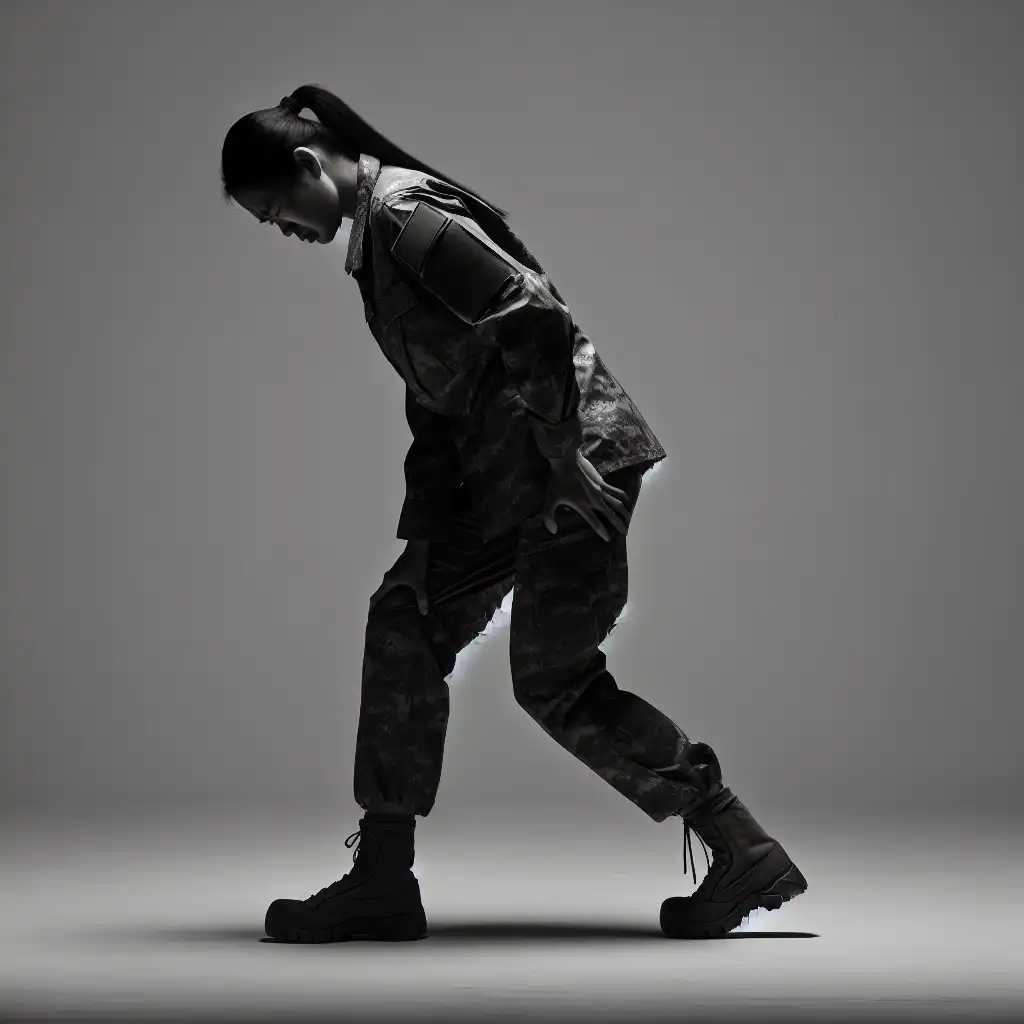
An awkward or shuffling walk.
The wounded soldier's shamble made it evident that he was in pain.

ˈʃæmbl
To move forwards slowly and unsteadily.
After the party, he shambled towards his car, which was parked very far away.
ˈʃæmbl
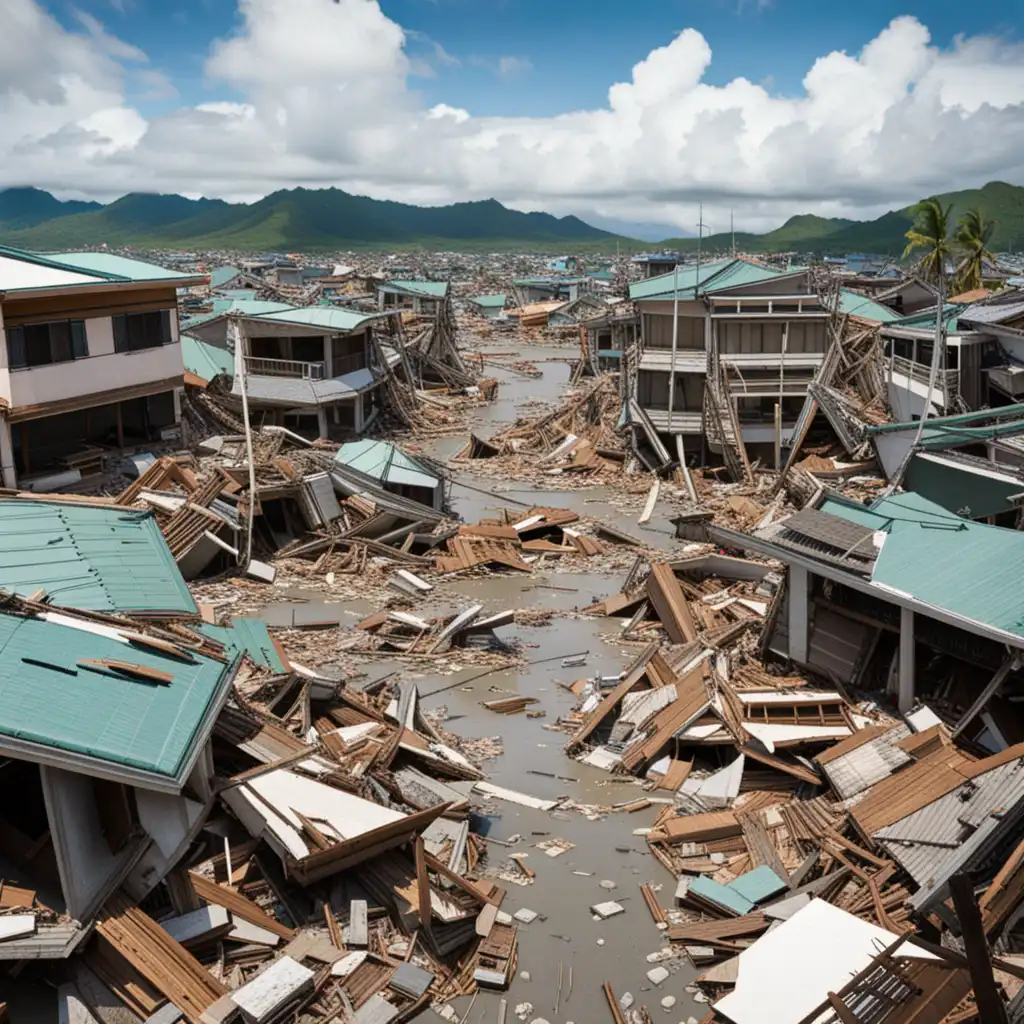
A scene or state of disorder or devastation.
After the typhoon, the town was left in a complete shamble.
No se pudo cargar el audio. Inténtalo de nuevo más tarde.
The word 'shamble' is used to describe something or someone that moves in a slow and awkward way, often because of tiredness, old age, or injury. You could use this word when referring to someone who is limping, stumbling or dragging their feet. It is often used to describe a slow and disorganized walk or movement. For example, you might say that the man was shuffling along the street or that the old woman was shuffling through the supermarket.
The word ‘hobble’ refers to walking in an awkward or uneven manner, usually due to some kind of physical impairment. For example, if someone has injured their leg, they might hobble around on crutches or with a limp.
It can also describe the movement of animals, such as horses or cows, who might hobble along if they have injured their legs.
Hobble implies a physical impairment while shamble implies a lack of coordination or clumsiness.
Abrir palabra: Hobble →Limp refers to a person walking with difficulty or dragging their leg or foot. This term is used when someone might have a physical injury, such as a sprained ankle or a sore knee, causing them to walk with a bit of a limp.
Limp describes a specific physical difficulty while shamble describes a general unsteadiness in movement.
Abrir palabra: Limp →Both lurch and shamble describe a somewhat unsteady or awkward movement.
However, lurch implies sudden or jerky movements, often caused by imbalance or surprise, while shamble suggests a slower, more deliberate awkwardness, as if someone or something is struggling to move forward without much coordination.
For example, you might use lurch to describe someone who stumbled after being nudged unexpectedly, or a boat that suddenly sways in rough waters.
Abrir palabra: Lurch →It can also refer to a disorganized or chaotic movement of some sort. Shuffle, on the other hand, refers to a dragging or sliding movement, typically with one's feet or hands, often slowly or hesitantly.
Shamble implies a lack of control or skill, while shuffle carries a connotation of timidness or hesitation.
Abrir palabra: Shuffle →Stagger means to walk or move unsteadily as if about to fall.
Shamble describes an uncoordinated, clumsy walk, while stagger describes an unsteady walk that is typically associated with being drunk or ill.
Abrir palabra: Stagger →Shamble and stumble both refer to unsteady or awkward movement, but they are used in different contexts. Shamble usually describes a slow and uncoordinated movement, like the way a zombie might walk.
Stumble describes a sudden and tripping movement, usually caused by uneven ground or some other obstacle.
It implies an attempt to maintain balance or regain control. If you want to describe someone walking like a zombie, you would say they shambled, but if they tripped on a rock and nearly fell, you would say they stumbled.
Abrir palabra: Stumble →Totter refers to a unsteady or unstable way of walking or moving, as if about to fall.
Shamble describes a clumsy and awkward movement, while totter describes an unsteady and unstable movement. Shamble is applicable when the movement lacks coordination or stability, while totter is applicable when the movement is unsteady and about to fall.
Abrir palabra: Totter →Both shamble and trudge refer to a slow and laborious manner of walking.
Trudge implies a heavy or burdened walk, often suggesting that the person is carrying something heavy or is walking through difficult conditions.
It can also imply a sense of determination despite difficulty. For example, "The hikers trudged through the mud until they reached the peak of the mountain.".
Shamble describes a slow and unsteady walk, while trudge describes a slow and burdened walk.
Abrir palabra: Trudge →Cop Killer %\PIPE% National...
Ver en YouTube ↗