coppice
noun coppice
ˈkɑːpɪs
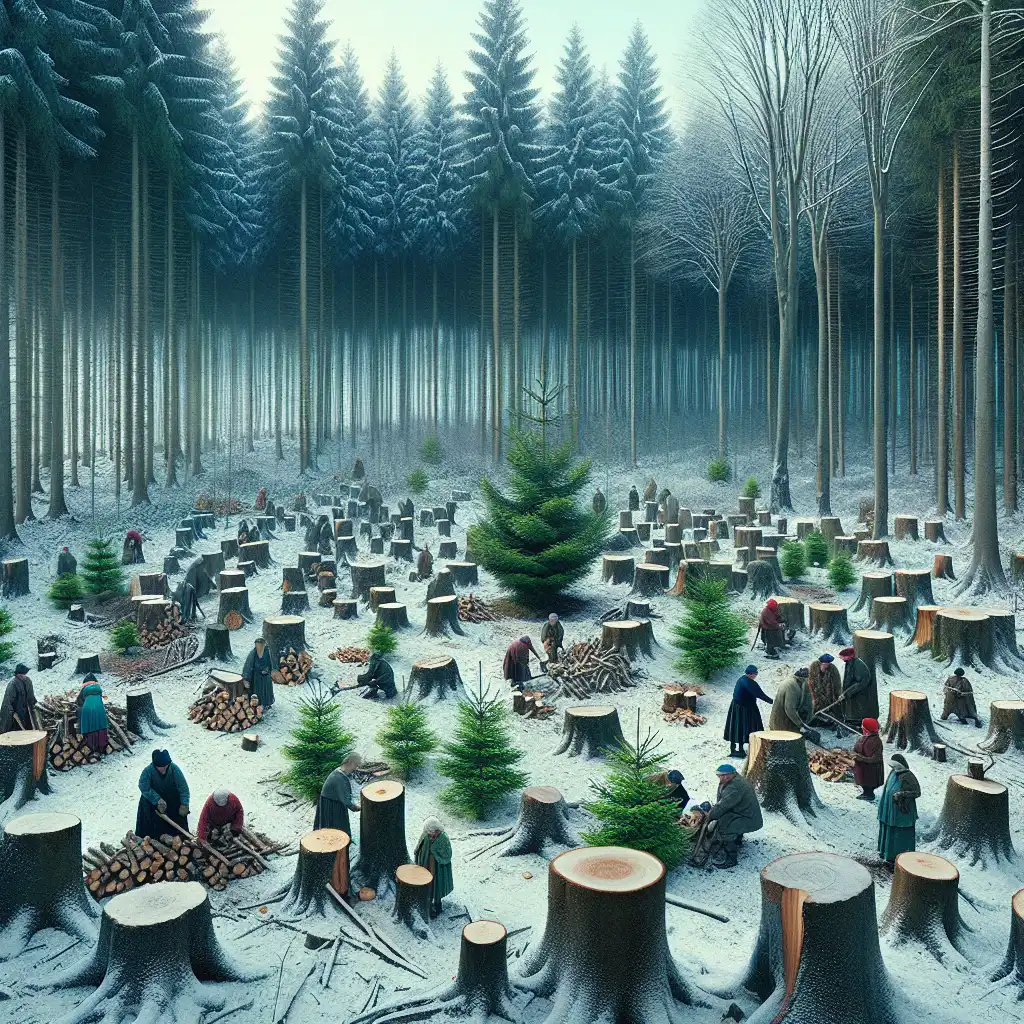
A small woodland area that has been cut back and is then left to grow again to provide wood.
The local villagers cut firewood from the coppice every winter.
coppice
ˈkɑːpɪs
Loading…
ˈkɑːpɪs
A small woodland area that has been cut back and is then left to grow again to provide wood.
The local villagers cut firewood from the coppice every winter.
ˈkɑːpɪs
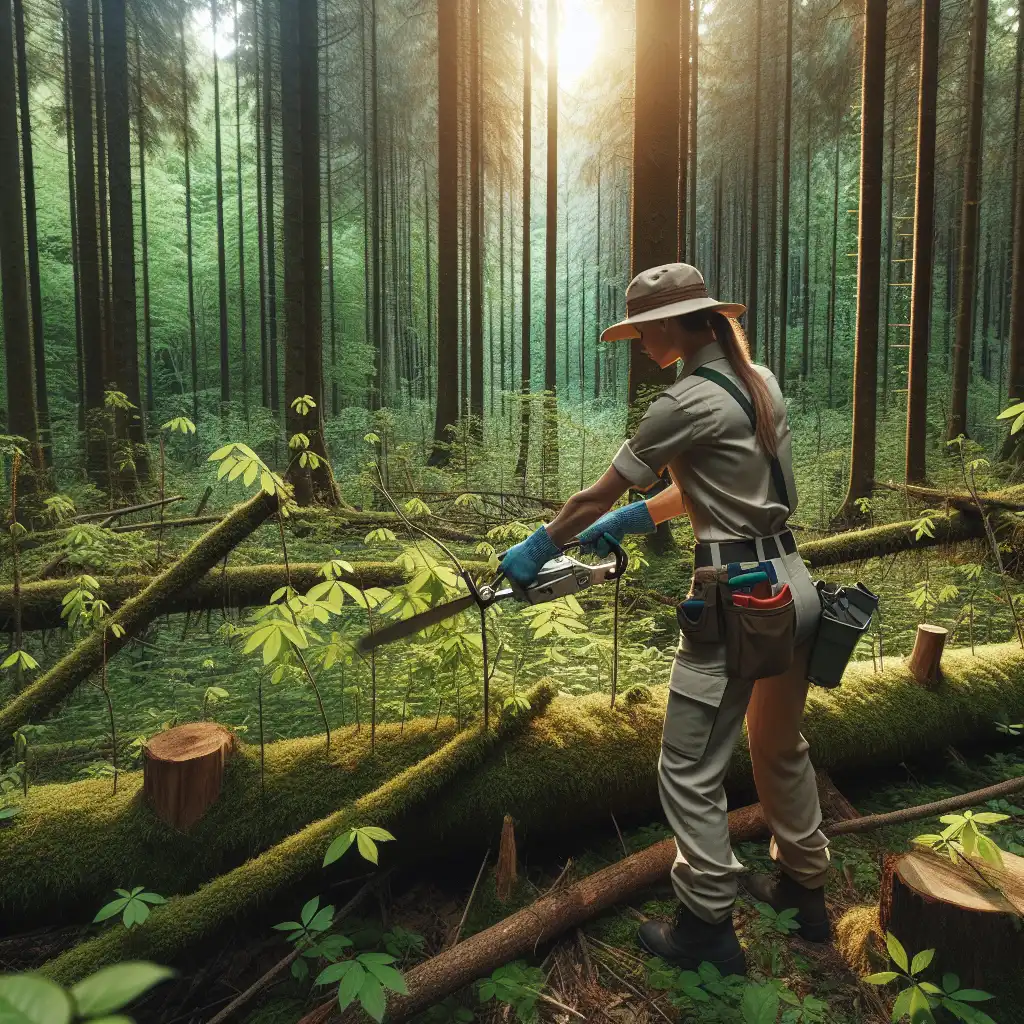
Cut back trees, letting them grow again so they provide more wood in the future.
In order to maintain the health of the forest, every couple of years the rangers coppice the trees.
Audio could not be loaded. Please try again later.
'Coppice' is a word used to describe a group of trees that are regularly cut back to encourage new growth. This is usually done for the production of firewood or other types of wood. Coppicing is an ancient practice that has been used for centuries in many parts of the world, and it can be a sustainable way to harvest wood. In modern times, coppicing is often used for wildlife conservation as it creates a habitat for animals and birds. If you are talking about trees that have been cut back in this way, you can use the word coppice to describe them.
Brushwood refers to a bunch of small, thin branches or twigs that are collected together.
Brushwood is a collection of small branches used for kindling or other purposes, while coppice refers to a type of forest management where trees or shrubs are selectively cut down to encourage new growth.
Open word: Brushwood →Both coppice and copse refer to an area of trees or woodland, but there is a slight difference in their meaning.
A copse is a small area of woodland or trees that have grown naturally without being regularly managed.
A copse can consist of a single species or a mixture of different trees and is often found in areas such as parks or gardens.
Coppice refers to trees that are regularly cut back for specific purposes, while copse refers to a natural cluster of trees that have grown without human intervention.
Open word: Copse →A forest is a large area of trees, usually more than 10 acres.
Forests can be natural or planted, managed or unmanaged.
Forests can be used for lumber, recreation, and wildlife habitat.
In summary, coppices are smaller areas of trees that are managed by regularly cutting them back and allowing new growth, while forests are larger areas of trees that can be used for a variety of purposes.
Open word: Forest →A grove is a group of trees growing close together in a forest, park, or garden.
It may be a natural group of trees growing together or a deliberately planted one. Groves are generally more natural and less tended than coppices.
They may be composed of different species and ages of trees and aren't usually harvested or managed in the same way. Groves are often used for recreation or as an aesthetic element in a landscape.
A coppice is a managed woodland for wood production, while a grove is a group of trees that may or may not be managed for a specific purpose.
Open word: Grove →Coppice refers to a grouping of trees that are regularly cut down to the base to encourage new growth, while scrub refers to an area of land that is covered with short, wild plants and bushes.
Scrub refers to a type of vegetation that grows in areas that are too dry, too rocky, or too poor in nutrients to support larger trees or grasses.
Scrub is often found in open areas such as hillsides, fields, or meadows, and consists of a variety of low-growing shrubs, bushes, and other plants.
Scrub can be important for wildlife, providing habitat for birds, insects, and small mammals.
Open word: Scrub →A thicket refers to a dense growth of shrubs or bushes that typically grow without any human intervention.
Thickets can be found in natural settings like forests or along riverbanks.
A coppice is a group of young trees or shrubs that are grown intentionally for human use, while a thicket refers to naturally occurring dense growths of vegetation.
Open word: Thicket →Underbrush refers to the dense growth of small plants and bushes that grows underneath the taller trees in a forest or woodland.
Underbrush is applicable in situations where the natural vegetation of a forest or woodland is being discussed. Underbrush provides important habitat and food sources for many animals and insects, as well as contributing to the overall health of the forest ecosystem.
Open word: Underbrush →Woodland refers to a general type of forest where trees are growing naturally, and the canopy of the trees forms the uppermost layer of vegetation.
Woodlands can vary in size from small patches of trees to vast forests. They can be managed for conservation, recreation, or timber production.
Woodlands are also habitats for a wide range of plants and animals.
Woodland is a general term for a forest where trees are growing naturally, and the canopy forms the uppermost layer of vegetation.
Open word: Woodland →I have always felt that the best gardens aspired to coppice and that the best woods have all the elements of the very best gardens.
Coppice management depends upon the chosen tree being cut when the shoots are straight, vigorous and, critically, not shading out new growth.