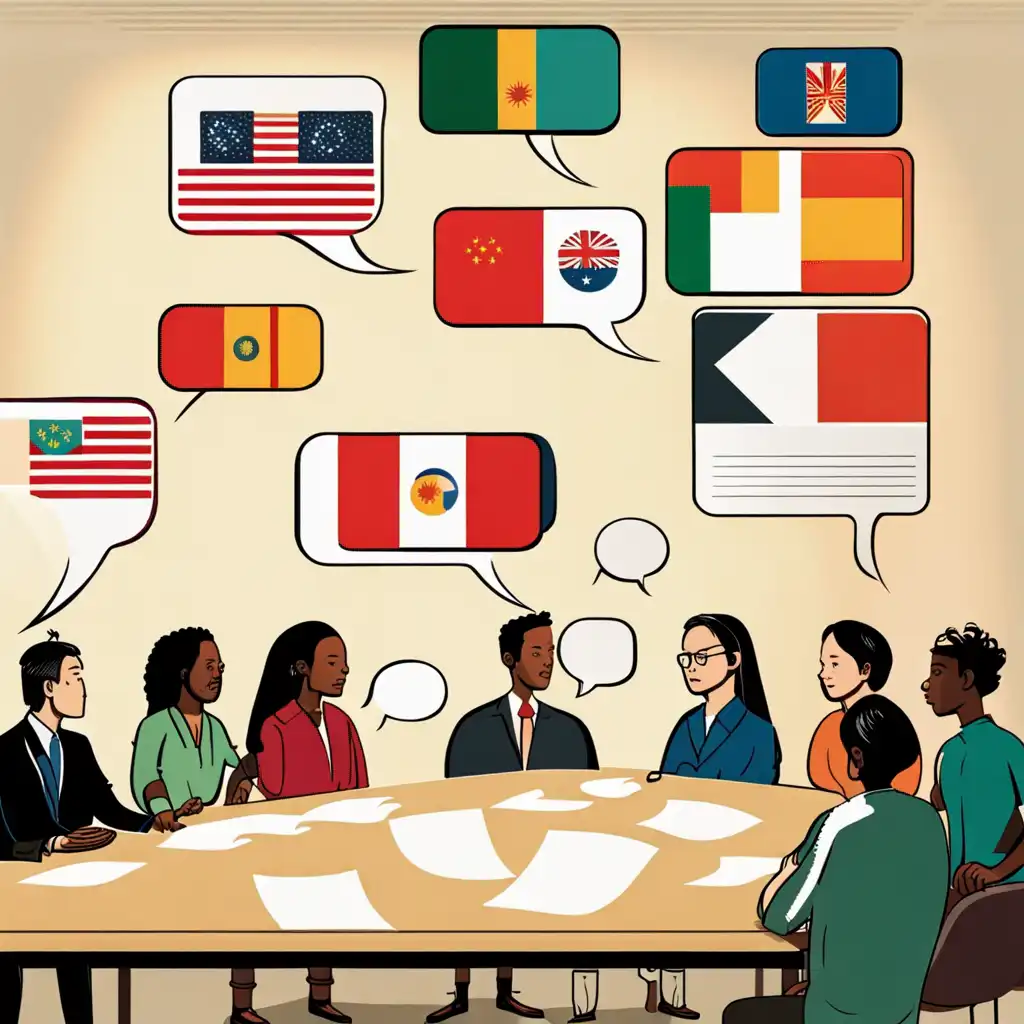
dissonance
noun dissonance
ˈdɪsənəns
A disagreement or lack of agreement
The conference has attempted to resolve dissonances between different national cultures.
dissonance
ˈdɪsənəns
लोड हो रहा है…
ˈdɪsənəns
A disagreement or lack of agreement
The conference has attempted to resolve dissonances between different national cultures.
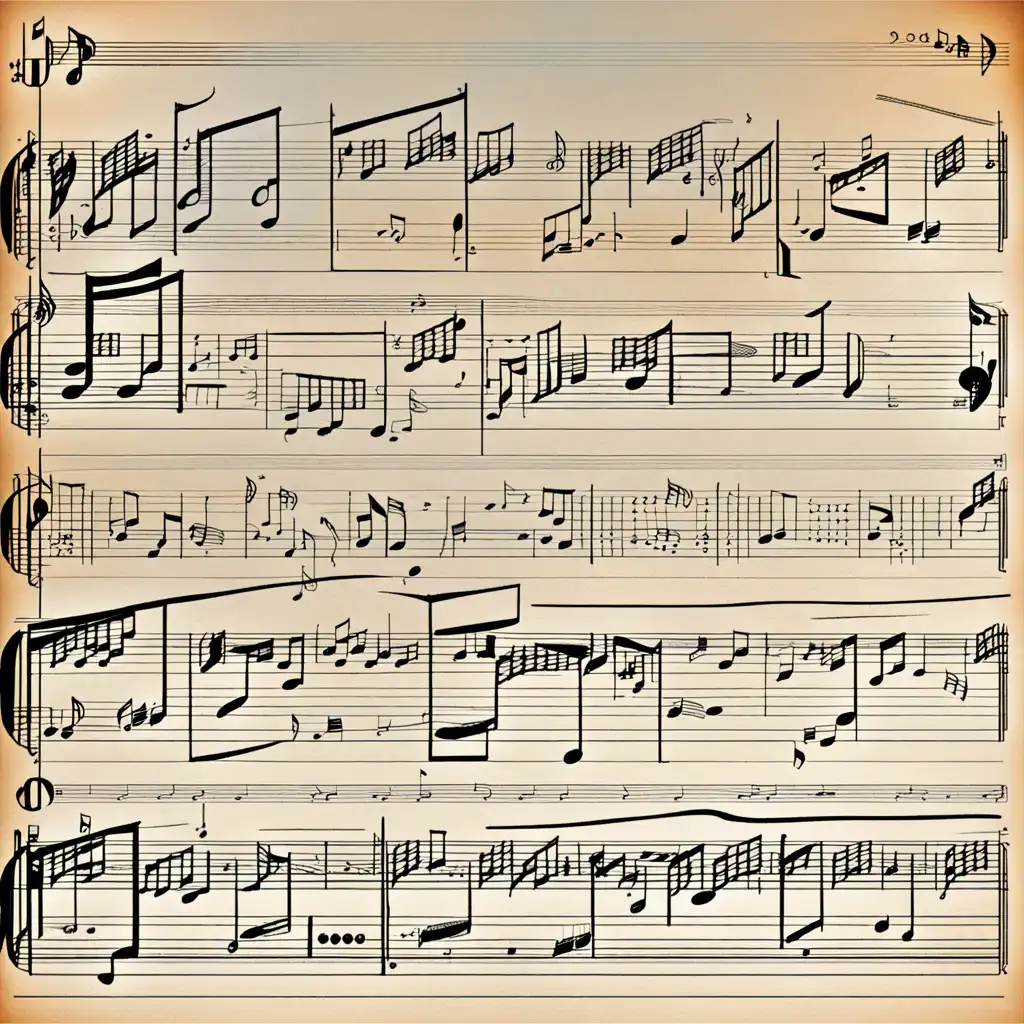
ˈdɪsənəns
A sound that is unpleasant because it is a mix of notes that do not harmonize
The piece is full of dissonance.

ˈdɪsənəns
A mental discomfort or stress caused by holding two or more conflicting beliefs, values, or behaviors
She experiences great dissonance when her friends smoke around her because she thinks it's bad for health.
ऑडियो लोड नहीं हो सका। कृपया बाद में फिर कोशिश करें।
Dissonance is a word used to describe a feeling of discomfort or unease that happens when things do not seem to fit together well. It can be used in a musical context, when notes or sounds clash and create an unpleasant sound. It can also be used to describe a situation where there is a conflict or inconsistency between beliefs, ideas, or actions. For example, if someone says one thing but does another, or if their behavior does not match their words, there can be a sense of dissonance. Overall, dissonance means that there is a lack of harmony or agreement between different elements, causing a feeling of tension or discomfort.
Clash refers to a situation where two or more things collide or come into conflict with each other. This can be applied to both physical objects (such as two cars crashing) and abstract concepts (such as two ideas or opinions conflicting).
Clash is more general and can refer to any kind of conflict or collision, while dissonance specifically refers to disharmony or a lack of agreement.
शब्द खोलें: Clash →Conflict typically refers to a disagreement or opposition between two or more parties. It often involves a clash of interests or values and can result in tension or even hostility.
In simpler terms, conflict is a clash of opposing forces, whereas dissonance is a lack of harmony or consistency. Conflict is typically used to describe situations where there is a clear opposition, while dissonance describes situations where things are out of sync or not working together properly.
शब्द खोलें: Conflict →Discrepancy refers to a difference or inconsistency between two or more things. For example, if two sets of numbers don't match, there is a discrepancy between them.
Discrepancy describes a factual or numerical difference, whereas dissonance describes a more subjective, emotional feeling of conflict or contrast.
शब्द खोलें: Discrepancy →Disharmony refers to a lack of agreement or compatibility between things such as people, ideas or actions. Dissonance refers to a lack of harmony or unpleasant combination of sounds.
Disharmony describes conflicts or disagreements in relationships, ideas or actions while dissonance is used in the context of music or sound.
शब्द खोलें: Disharmony →Dissension refers to disagreements or conflicts among a group of people, often stemming from differing opinions or beliefs.
शब्द खोलें: Dissension →Disunity refers to a lack of unity or cooperation among people or groups.
It can occur when there is no common goal or when there are conflicting interests. For example, if a group of people are working on a project and they cannot agree on the direction to take, there is disunity among them.
Dissonance refers to a lack of agreement within a particular aspect, while disunity is used more broadly to describe a lack of cooperation or unity among people.
शब्द खोलें: Disunity →Incongruity refers to a lack of compatibility between things or a sense of absurdity or inconsistency. It often describes a situation or object that does not fit in with the surroundings, creating a sense of oddness or humor.
Incongruity is often used to describe humor or irony and can be applicable to everyday situations as well as creative works.
Dissonance and incongruity both describe a sense of discord or mismatch, but dissonance is more typically associated with a sense of tension or unease, while incongruity suggests a more lighthearted or humorous contrast.
शब्द खोलें: Incongruity →Jar refers to a sudden, sharp sound or jolt, such as the sound a glass makes when it is dropped and shatters.
So, while dissonance is generally used in a more abstract or intellectual context, jar usually describes something more tangible and physical.
शब्द खोलें: Jar →What "Orwellian" really...
YouTube पर देखें ↗Am I the only one who can't seem to reconcile the grand canyon of cognitive dissonance I feel when people with much more important jobs than I have manage to score much lengthier times off?
My year of living...
YouTube पर देखें ↗Fast-moving views are not likely to be strongly held views. Instead, they're much more likely to be about people mirroring back the signals they see coming from the leaders they support. People can resolve dissonance by shifting their own view on issues that aren't top of mind.
Watch the Total Solar...
YouTube पर देखें ↗The role of social media is critical because it helps to spread cognitive dissonance by connecting thought leaders and activists to ordinary citizens rapidly expanding the network of people who become willing to take action.
Do politics make us...
YouTube पर देखें ↗I think that a president needs to have a variety of views presented. But also, there has to be a team effort, because otherwise, I think it creates a dissonance and difficulty.
How to transform...
YouTube पर देखें ↗Every single day the world seems like it is on the brink of falling apart. But then I look outside my window, and things look about the same as they did a week ago. It's almost a form of cognitive dissonance.
Lisa Margonelli: The...
YouTube पर देखें ↗I have never quite grasped the worry about the power of the press. After all, it speaks with a thousand voices, in constant dissonance.
A brief history of goths...
YouTube पर देखें ↗I think dissonance in music makes you think. It isn't, 'Oh, that's a pretty melody I can whistle.' You have to sit down and listen to tell it apart from other things.
Why do people join...
YouTube पर देखें ↗What I think was a really lucky coincidence was that a lot of the themes of 'Okja' are things I write about a lot: cognitive dissonance and corporate greed and also the internal politics of fringe groups.
3 kinds of bias that...
YouTube पर देखें ↗When I was a kid, it never occurred to me that human beings wrote books. It was a kind of cognitive dissonance for me... I just didn't think it was something that people did.
What does the universe...
YouTube पर देखें ↗As we rise higher in the understanding of ourselves, the national and racial dissonances will be forgotten in the universal rhythms of Truth and Love.