merchant
noun merchant
ˈmɜːrtʃənt
A person who buys and sells goods to earn money
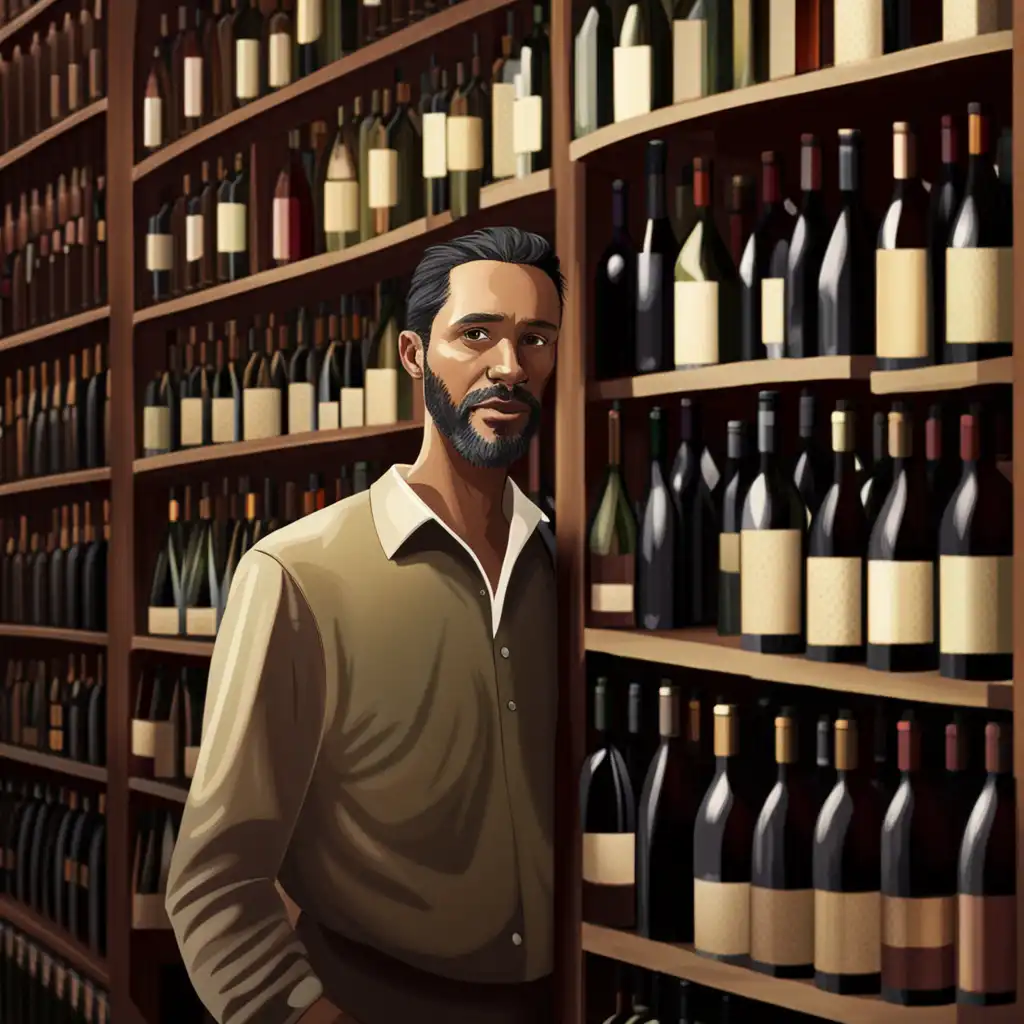
John is a wine merchant who imports fine wines from around the world.
merchant
ˈmɜːrtʃənt
Loading…
ˈmɜːrtʃənt
A person who buys and sells goods to earn money
John is a wine merchant who imports fine wines from around the world.
ˈmɜːrtʃənt
A company involved in wholesale trade
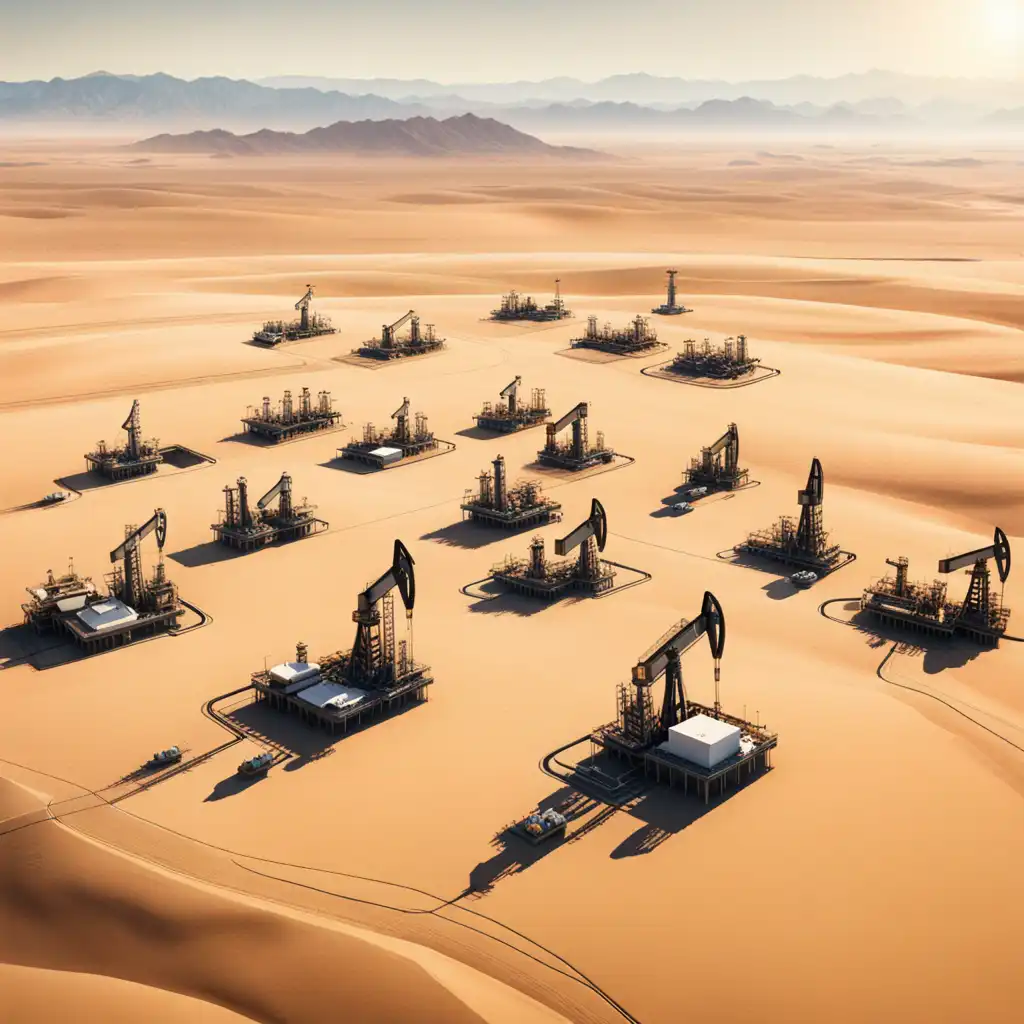
He works for a major oil merchant in the Middle East.
ˈmɜːrtʃənt
In terms of playing card games, merchant can refer to a type of card in some games
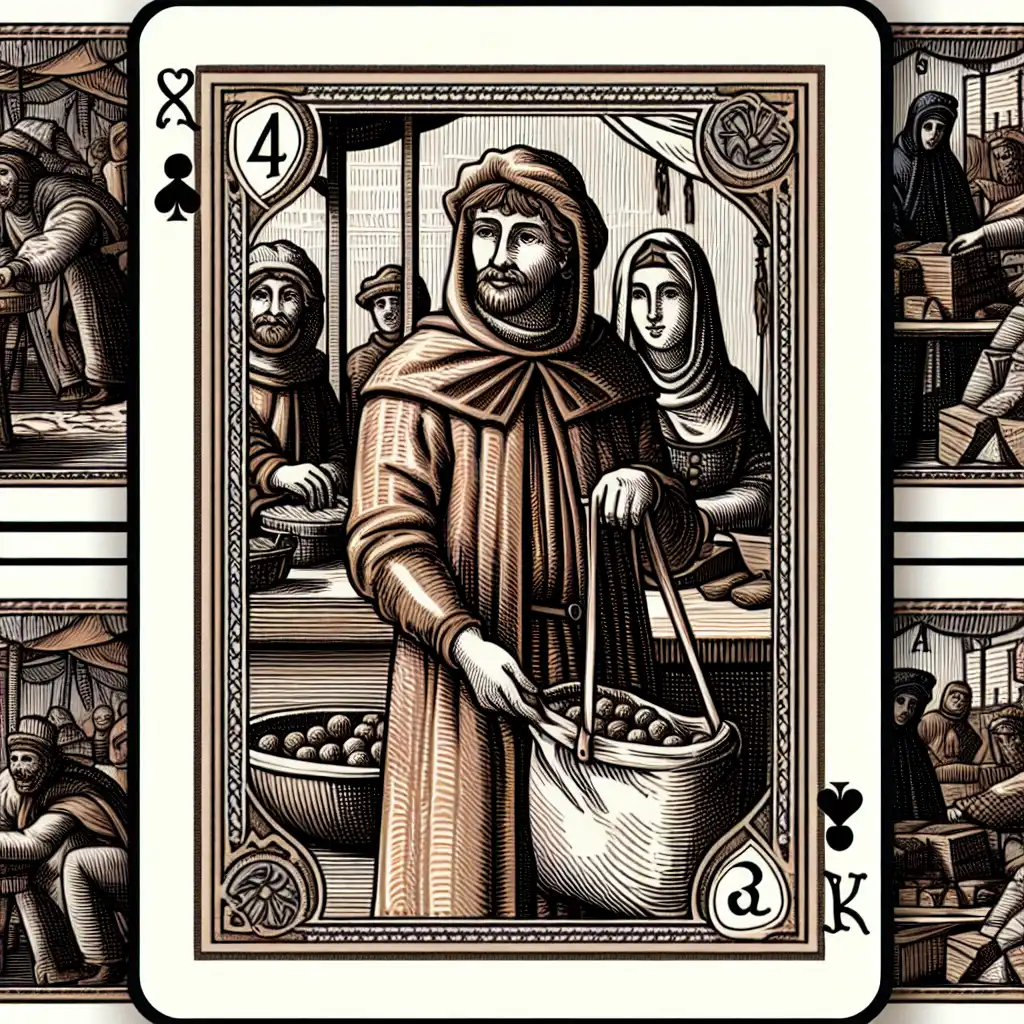
In the game, you need to use your merchant card to trade goods.
ˈmɜːrtʃənt
A person who promotes or exchange goods
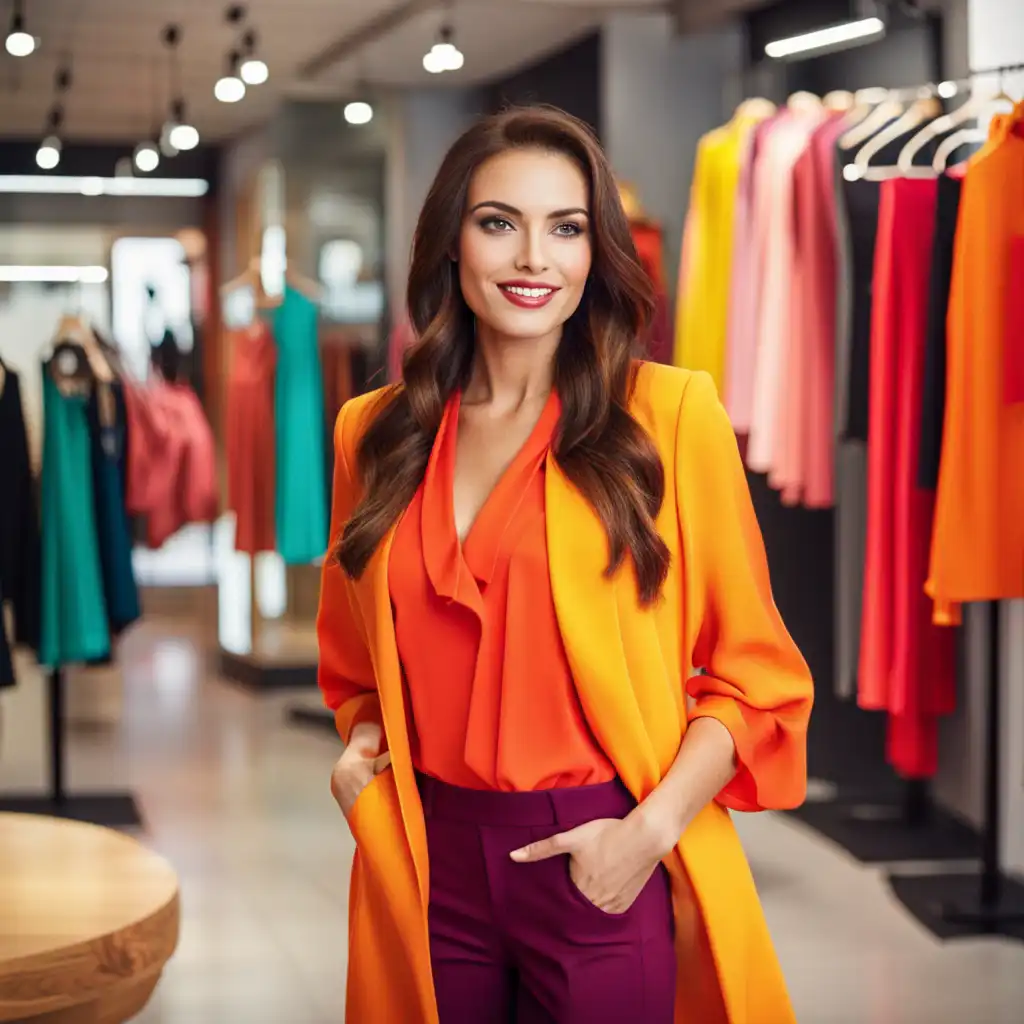
She was a successful fashion merchant in the city.
Audio could not be loaded. Please try again later.
The word 'merchant' is used to describe a person who buys and sells things for a profit. This could be anything from a small business owner who sells goods at a local market to a large corporation that sells products around the world. The word can be used in a variety of contexts, such as in history books, business classes, or even in everyday conversation. It is important to note that 'merchant' typically refers to someone who is focused on making a profit, rather than simply selling items as a hobby or for personal use.
A businessman is a person engaged in trade or commerce, particularly a sole proprietor or the manager of a company or enterprise.
In summary, both terms refer to people involved in business activities, but a businessman tends to have a broader range of responsibilities in managing a business, while a merchant is primarily focused on buying and selling goods.
Open word: Businessman →Dealer refers to a person or company who buys and sells goods or services, often for profit. This term is generally used when referring to those who sell specific types of products, such as car dealerships or drug dealers.
A dealer usually refers to someone who specializes in selling certain products or services, while a merchant is a general term for anyone who sells goods or services.
Open word: Dealer →A purveyor refers to someone who supplies or provides something, whether it's goods, services, or even ideas, to others.
In practice, a merchant is someone who owns a store or a company that sells products, while a purveyor could refer to anyone who provides something, like a chef who is a purveyor of fine dining experiences, or a provider of a specialized service, like a purveyor of security systems.
A merchant is a seller of specific products, while a purveyor is a provider of something more broadly defined.
Open word: Purveyor →A merchant is a person or company involved in buying and selling goods in large quantities or wholesale. They're mostly involved in B2B (business-to-business) relations, where they purchase goods from manufacturers or other merchants and then sell them to retailers or consumers.
A retailer is a person or company involved in selling goods directly to consumers. They typically purchase goods in smaller quantities from merchants or wholesalers and then sell them to consumers for a profit.
In essence, merchants deal with the trade of goods in large quantities while retailers sell goods to individual customers.
Merchants focus more on B2B while retailers focus on B2C (business-to-consumer) relations.
Open word: Retailer →A merchant is a person who buys goods from manufacturers or wholesalers and then sells them to customers for a profit.
In other words, a merchant is someone who trades goods. Sell simply means to exchange goods for money.
So, anyone who gives a product to someone who pays them money for it is selling. Merchants are usually associated with businesses that specialize in trading goods, while selling is a general term that can be applied to individuals or businesses.
Open word: Sell →A shopkeeper is someone who owns or manages a small retail store where they sell goods to customers.
While a shopkeeper would typically run a small store in a local community, selling goods to the people who live nearby.
So a merchant typically deals with larger quantities of goods and has a wider area of operation while a shopkeeper usually deals with smaller quantities and has a smaller area of operation.
Open word: Shopkeeper →A trader is someone who buys and sells goods in order to make a profit but usually does so on a larger scale. This usually refers to someone who engages in trade or commerce, often working with corporate or institutional buyers and sellers.
For example, a stock trader buys and sells stocks and other securities for clients to make a profit.
A merchant typically operates a small business, while a trader is involved in larger-scale commerce, often in the financial sector.
Open word: Trader →Merchants are often seen as more established and reputable than vendors, as they typically have a permanent physical location and a recognizable brand.
A vendor typically refers to someone who sells goods or services in a more informal or temporary setting. For example, a street vendor selling hot dogs or a musician selling CDs at a concert would be considered vendors.
Vendors are often seen as more transient and less established than merchants.
The main difference between a merchant and a vendor is the level of formality and permanence associated with their business.
Open word: Vendor →A merchant is someone who sells goods directly to customers, often in a retail store or through an online platform. They purchase the goods from a wholesaler or manufacturer in large quantities and then sell them individually to consumers for a profit.
A wholesaler is someone who purchases large quantities of goods from manufacturers and sells them in smaller quantities to retailers or other businesses.
A merchant sells directly to consumers while a wholesaler sells to other businesses.
Open word: Wholesaler →Wishing to be represented in the paintings they financed, these merchants preferred middle class subjects depicted in spaces that looked like their own homes surrounded by familiar objects. The maps that appear in Vermeer's paintings for example, were considered fashionable and worldly
Watch on YouTube ↗The best merchants in the world aren't the ones predicting what's cool next; we're the ones dictating what's cool next.
to feed on the fish this process can happen on any coastline in the world provided there's enough heat from the sun hitting the surface of the earth however merchant contends that if there's a sudden increase in surface temperatures
Watch on YouTube ↗We buy and sell goods. We buy low and sell higher - that's what we all do to make a profit. But I consider a merchant someone who has a certain intuition and instinct, and - very important - knows how to run a business, knows the numbers.
who really just needed a good accountant and to know who was trustworthy in the local community for paying back their mortgage. Well the merchant bankers who brought the world to their knees may have been morally remiss, but they were cognitively very agile.
Watch on YouTube ↗You have to have a unique product that Amazon just can't source. It's all about the product. Why is it important? Why is it different? Amazon are not merchants. They are technology platform guys.
months merchants fell vast areas of kelp forest
Watch on YouTube ↗To tell you the truth I thought I was going to be in the building trade, I worked in a builders' merchants in Stoke.
he was going to achieve his goals was to engage all the races he sought help from blacks Indians mulattoes mestizos merchants of the Seas Pirates of the
Watch on YouTube ↗As a child, I had no idea that I would end up in the film industry. My ambitions changed from wanting to join the army like my grandfather to taking up merchant navy as a career to running for India, and finally, investment banking while I was a student of economics honour. But during my college days, I began to get offers for modelling.
These encounters were often less than peaceful. But even through raids and warfare, as well as trade and protection of traveling merchants in exchange for tariffs, the nomads began to spread goods ideas and technologies between cultures with no direct contact.
Watch on YouTube ↗The increasing importance of Sydney must in some measure be attributed to the flourishing condition of the colony itself, to the industry of its farmers, to the successful enterprise of its merchants, and to particular local causes.
In the next few years, more and more messages came, and he memorized and taught them. The verses he recited were full of wise sayings, beautiful rhymes, and mysterious metaphors. But Muhammad was a merchant not a poet. Many agreed the verses were indeed the words of God,
Watch on YouTube ↗Merchants have no country. The mere spot they stand on does not constitute so strong an attachment as that from which they draw their gains.
the fine will be determined through a game of wits between the merchant and the king’s most clever advisor – you. You’re both told the rules in advance. The merchant will be allowed to discreetly divide his rubies
Watch on YouTube ↗No man ever got very high by pulling other people down. The intelligent merchant does not knock his competitors. The sensible worker does not knock those who work with him. Don't knock your friends. Don't knock your enemies. Don't knock yourself.
Trade was the unlikely impetus for the invention of the world’s first writing system. It started as a system of accounting for Sumerian merchants conducting business with traders abroad. After a few hundred years the early pictogram system
Watch on YouTube ↗For the merchant, even honesty is a financial speculation.
it's in engineering right now -- is turning an all four-lane system half one-way into an all two-lane system all two-way, and in so doing we're adding 70 percent more on-street parking, which the merchants love, and it protects the sidewalk. That parking makes the sidewalk safe,
Watch on YouTube ↗There's no better friend to any merchant than a fair competitor.