
madras
noun madras
məˈdræs,ˈmædrəs
A strong cotton fabric, often with pattern and bright colors.
She wore a summer dress made of vibrant madras.
madras
məˈdræs,ˈmædrəs
Đang tải…
məˈdræs,ˈmædrəs
A strong cotton fabric, often with pattern and bright colors.
She wore a summer dress made of vibrant madras.
məˈdræs,ˈmædrəs
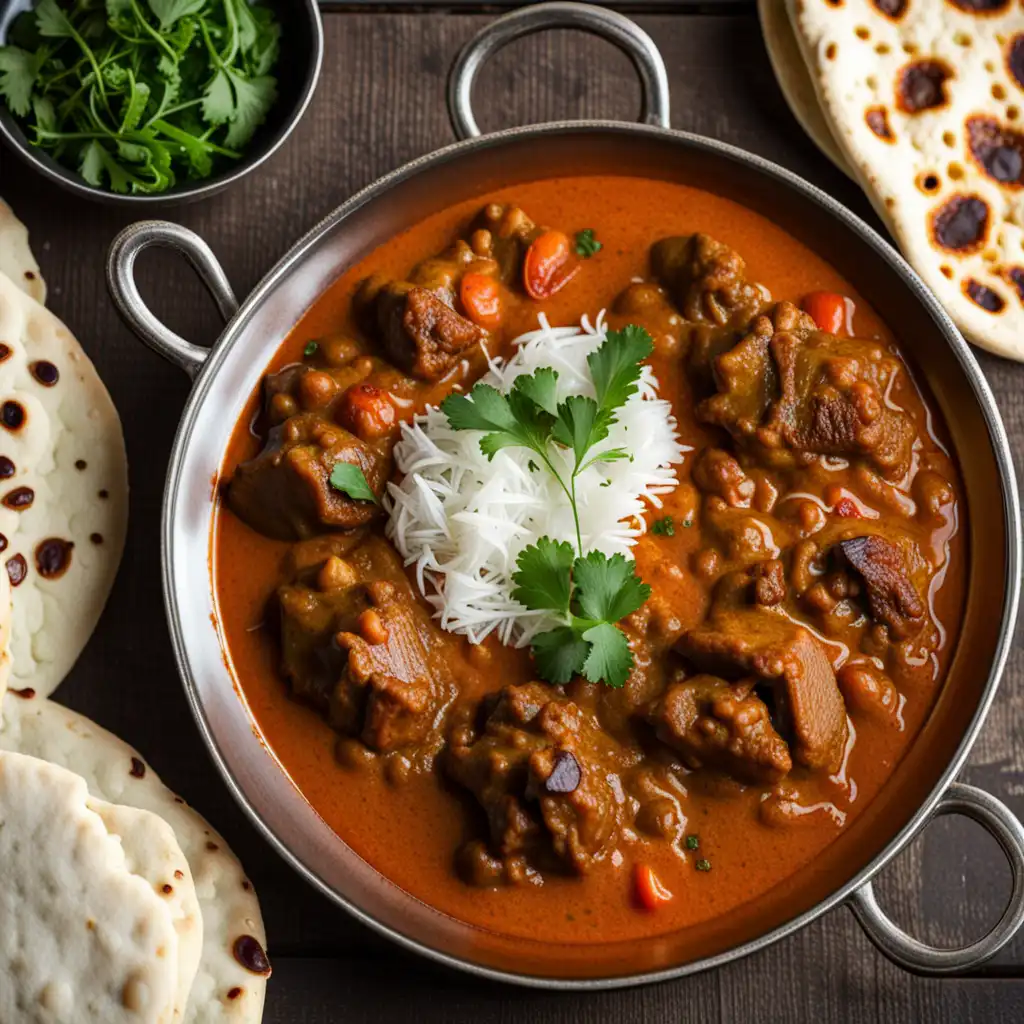
A spicy curry or dish of Indian origin
He ordered a lamb madras served with rice and naan.
məˈdræs,ˈmædrəs
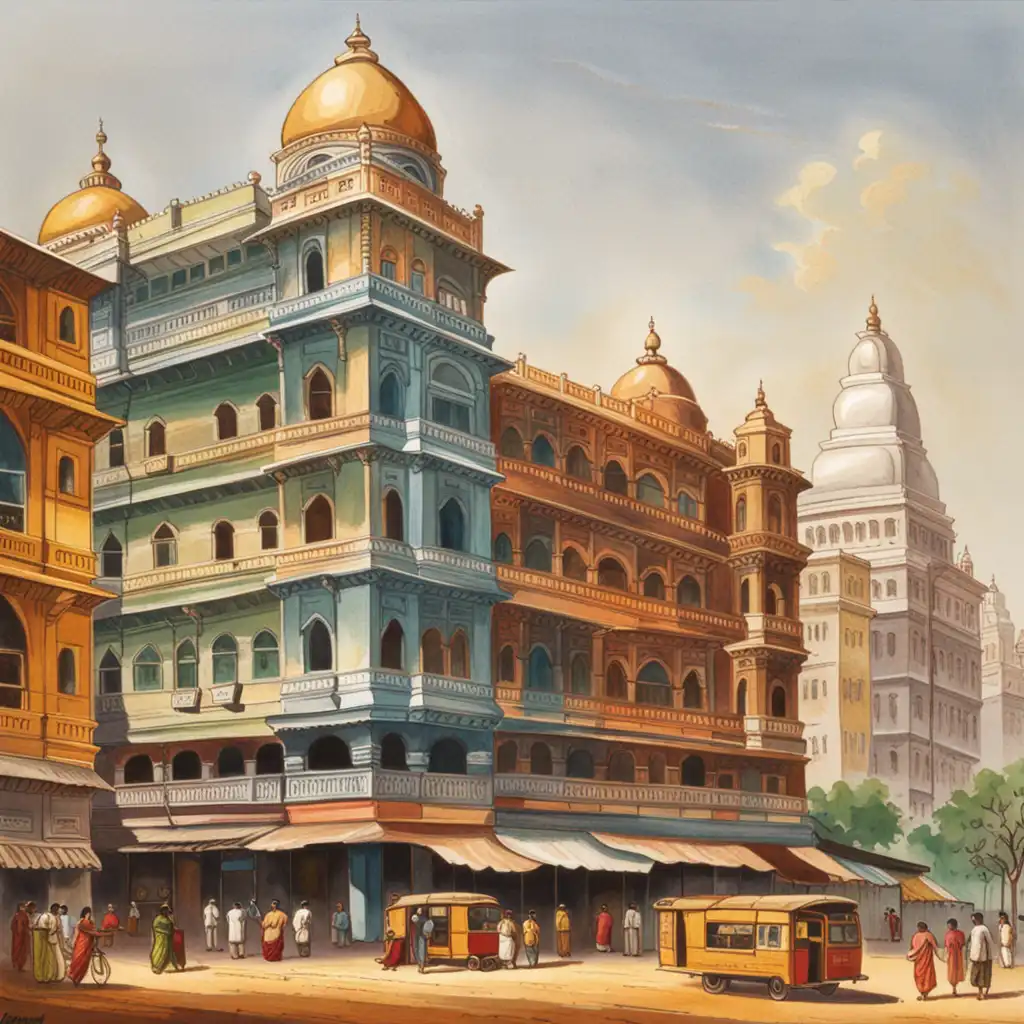
An old name for Chennai, a city in India.
My uncle lives in Madras, it's a fascinating city with a rich culture.
Không tải được âm thanh. Vui lòng thử lại sau.
Madras is a word that can have a few different meanings depending on the context. The most common usage of madras is to describe a type of fabric that is lightweight and usually has a plaid or check pattern. This fabric is often used to make clothing, such as shirts and shorts. Madras can also refer to a city in southern India, now known as Chennai, which was a British colonial stronghold. In some regions of the United States, madras can also be used to describe a style of dress that incorporates the madras fabric mentioned above. This style is popular during the summer months and is often associated with preppy fashion. Overall, if you encounter the word madras, it is likely referring to either a type of fabric or a city in India. However, it is always best to pay attention to the context in which the word is being used to ensure you are understanding it correctly.
Check refers to a pattern consisting of small squares or rectangles of different colors, usually two or more, that are arranged in a repetitive design.
Madras is a type of lightweight cotton fabric that is often associated with the check pattern. Madras fabric is usually made up of various bright colors and stripes in a plaid-like design.
Check refers to a pattern while madras refers to a type of fabric.
Check can be applied to different fabrics and materials, while madras is a specific type of cotton fabric.
Mở từ: Check →Cotton is a material that is made from the fibers of the cotton plant. It is a soft and breathable fabric that is often used in clothing like t-shirts, jeans, and bed sheets.
Madras refers to a type of fabric that originated in the city of Madras (now Chennai) in India. Madras fabric is typically made from a lightweight cotton and comes in bright plaids or stripes.
Cotton is a general term for a type of fabric made from cotton fibers, while madras is a specific type of cotton-based fabric with a distinct print that is commonly used for summer clothing.
Mở từ: Cotton →Gingham and madras are both types of checked fabric patterns, but they come from different places and have different characteristics.
Gingham is a type of lightweight cotton fabric that has a plain woven pattern of checks in two colors, usually white and another color.
Gingham is often used for summer dresses, tablecloths, and curtains.
Gingham is a simple, two-color checked fabric used for a variety of purposes, while madras is a more colorful and complex checked fabric typically used for clothing.
Mở từ: Gingham →Madras refers to a lightweight cotton fabric that has bright and bold patterns consisting of multiple colors in stripes or checks.
Pattern refers to any regular or irregular design, motif, or decoration printed, woven, or made with a repeatable sequence of shapes, lines, or colors.
Patterns can be found in a vast array of products, such as textiles, wallpaper, dishes, and rugs.
Madras refers to a specific type of fabric with bright and bold patterns, while pattern refers to any design, motif, or decoration that can be found in a wide range of products.
Mở từ: Pattern →Madras and plaid both refer to a type of pattern, but they have different associations and origins. Madras is a specific type of pattern that originated in the city of Madras (now Chennai) in southern India.
It is characterized by colorful stripes, checks, and plaids, often in bright colors.
Plaid is a more general term that refers to any pattern made up of intersecting stripes, typically in different colors.
Plaid patterns can vary greatly in terms of color, size of the stripes, and spacing.
Plaid is often associated with traditional Scottish or Celtic clothing, and is frequently used in flannel shirts, blankets, and other cozy fabrics.
Madras is a specific type of colorful pattern associated with warm weather clothing, while plaid is a more general term for any intersecting stripes pattern, usually associated with colder weather clothing.
Mở từ: Plaid →Print refers to any design that is printed onto fabric.
It can be any type of pattern, including florals, stripes, polka dots, and more. Printed fabric can be used to make a variety of clothing and home decor items.
In summary, Madras refers specifically to a type of plaid or checked fabric, while print refers to any type of design that is printed onto fabric.
Madras is typically used for clothing, while printed fabric can be used for both clothing and home decor.
Mở từ: Print →Madras and stripe are both used to describe patterns on fabric, but they are not the same thing.
A stripe is a pattern made up of parallel lines of the same width, usually of the same color.
Stripes can be narrow or wide, and can be found on a variety of fabrics, from shirts and dresses to curtains and linens.
Stripes are often seen as more classic and timeless than the bold and colorful madras pattern.
Madras is a colorful, plaid fabric while stripes are parallel lines of the same width.
Madras is often used for summer clothing while stripes can be found on a variety of fabrics.
Mở từ: Stripe →Madras and tartan are both types of plaid patterns used in clothing and textiles, but they come from different parts of the world and have different traditional uses.
Tartan is a traditional plaid pattern that originated in Scotland. It features more muted colors and is often associated with Scottish kilts and other traditional garments.
Tartan is also used in modern clothing, such as flannel shirts and wool coats.
Madras is a colorful cotton plaid pattern from India, while tartan is a more subdued plaid pattern with a Scottish heritage.
Mở từ: Tartan →