convection
noun convection
kənˈvekʃn
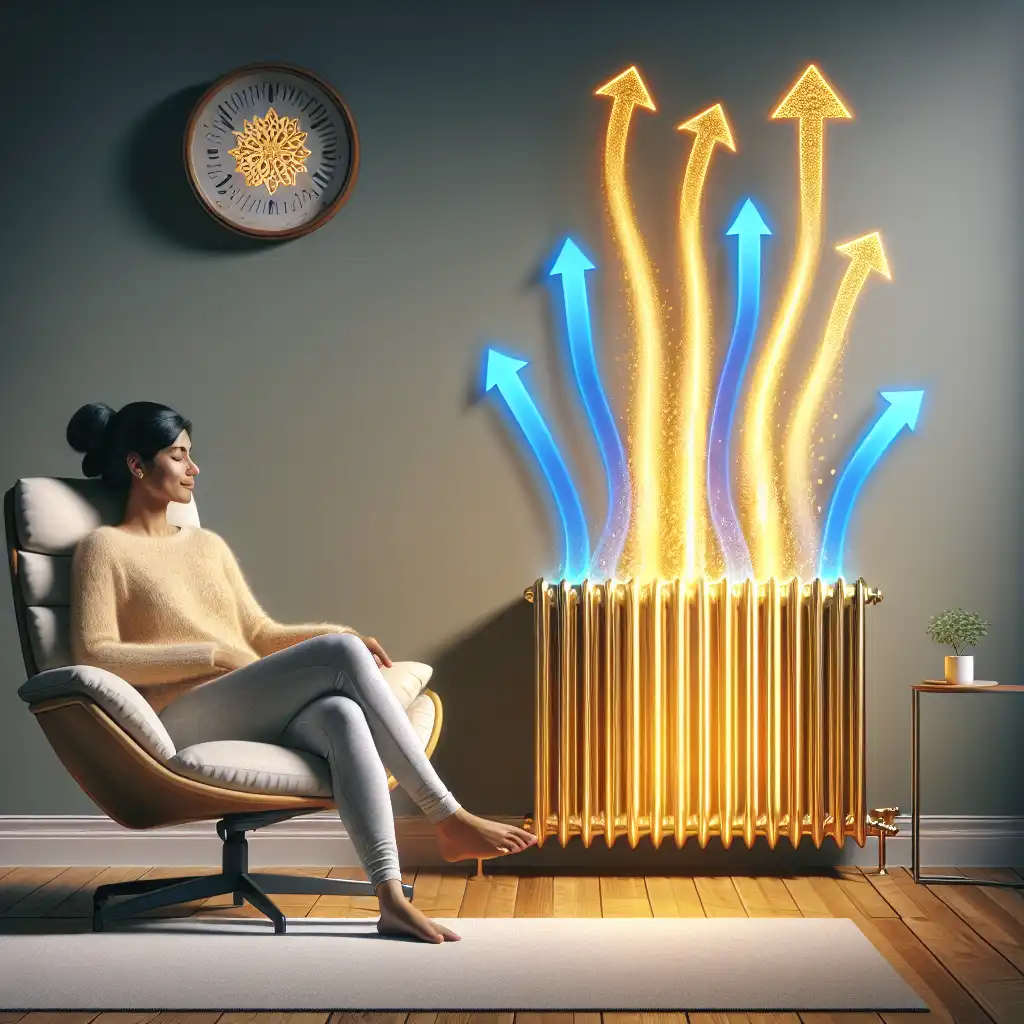
The movement in a gas or liquid in which the warmer parts move up and the colder parts move down
Heating the room by natural convection
convection
kənˈvekʃn
Cargando…
kənˈvekʃn
The movement in a gas or liquid in which the warmer parts move up and the colder parts move down
Heating the room by natural convection

kənˈvekʃn
The transfer of heat through a fluid (liquid or gas) caused by molecular motion
Convection is the primary form of heat transfer in liquid.
kənˈvekʃn
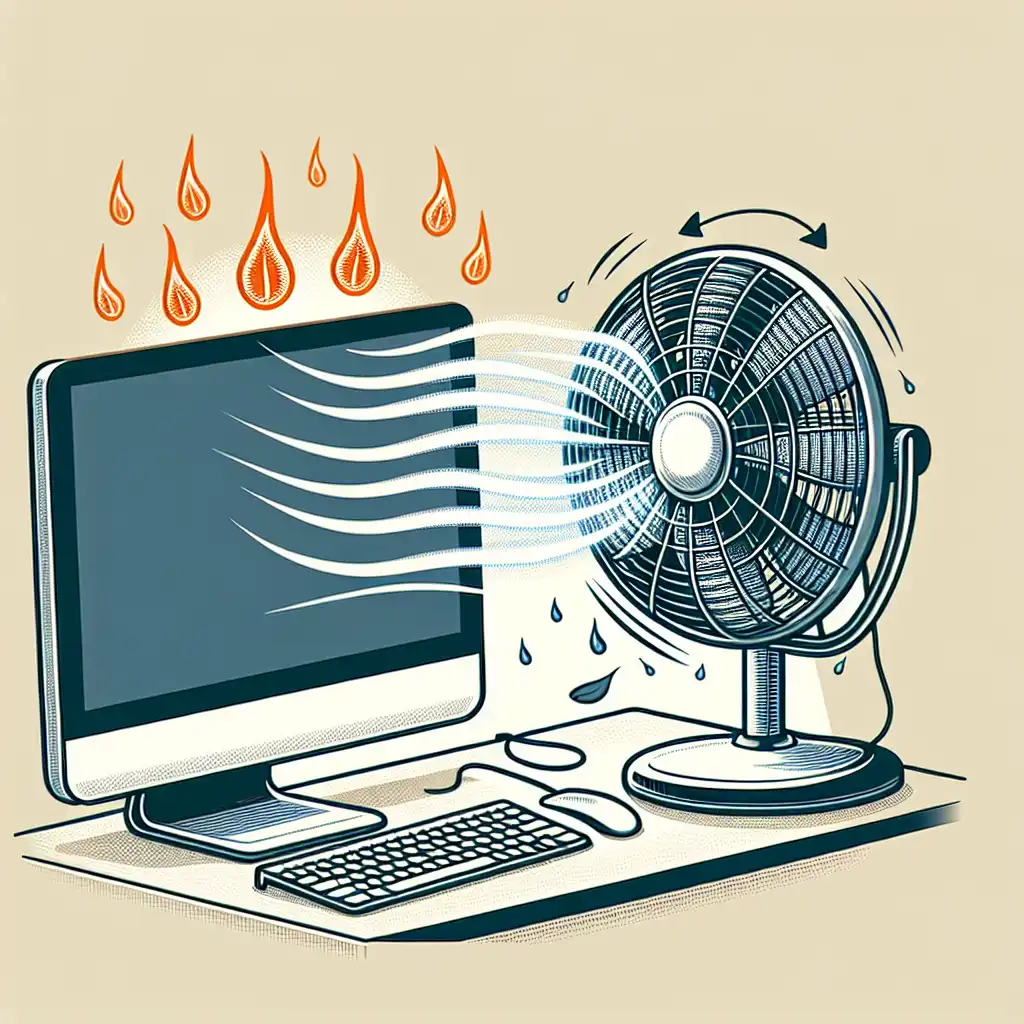
A mode of heat transfer by actual physical movement
The use of fans enhances the convection process for cooling equipments.
No se pudo cargar el audio. Inténtalo de nuevo más tarde.
Convection is a word that is used to describe a way that heat moves through liquids or gases. This typically happens when warmer particles rise and cooler particles move in to take their place, creating a circular movement. For example, when you heat up water on the stove, the heat rises causing the water to circulate and become hotter throughout. This process is called convection. You may also hear this word used in weather forecasts to describe the way that air moves in the atmosphere, resulting in weather patterns.
Circulation refers to the movement of a substance in a closed circular path, such as blood circulating in veins or air circulating within a room.
Convection is typically used to describe the movement of fluids or gases, while circulation can apply to any substance that moves in a circular path.
Abrir palabra: Circulation →Dispersion is the spreading of particles throughout a medium. This can occur in gases, liquids, or solids, and is often seen in phenomena such as diffusion of perfume in a room, or the spread of pollutants in water.
Dispersion can also refer to the separation of light into its different colors, as seen in a rainbow.
Convection relates to the movement of fluids while dispersion relates to the spreading of particles throughout a medium.
Abrir palabra: Dispersion →Dissipate refers to the process of spreading out or dispersing something like heat, energy, or moisture over a larger area until it becomes less concentrated.
This means that the original amount disperses and becomes less concentrated. Dissipate is applicable in situations where there is a need to reduce the concentration of something, such as the evaporation of water from a wet surface or the dispersal of heat from a hot object.
Abrir palabra: Dissipate →Convection is a type of movement that occurs specifically in fluids (like liquids and gases) when there is a difference in temperature.
Movement is a general term used to describe any type of motion or action.
Convection is a specific type of movement that occurs in fluids due to temperature differences, while movement is a general term referring to any type of motion or action.
Abrir palabra: Movement →Propagate refers to the process of something spreading or advancing. This is applicable in situations such as the spread of a virus or the propagation of a plant through seeds.
Convection is a specific method of heat transfer, while propagate refers to any type of spreading or advancing.
Abrir palabra: Propagate →Convection refers to the process of heat transfer through the movement of a fluid, such as air or water. This can happen when warm air rises and cooler air sinks, creating a cycle of movement that spreads heat throughout a space.
Spread refers to the act of something, usually a substance or idea, extending or dispersing over a surface or area.
This can refer to the spreading of butter on bread, but it can also refer to the spread of diseases or information. It is applicable in situations where something needs to be distributed or disseminated widely.
Abrir palabra: Spread →Convection is a type of heat transfer that occurs when hot particles move from one place to another. This type of heat transfer happens mostly in liquids and gases, like boiling water or hot air rising from a heating vent.
Transfer is a general term for moving something from one place to another.
Transfer can describe any kind of movement, like transferring money from one bank account to another or transferring data from one computer to another.
So, while convection is a specific type of transfer that applies only to heat moving in liquids and gases, transfer can apply to a wide range of movements.
Abrir palabra: Transfer →Transmission refers to the transfer of energy or information from one place to another without any significant movement of materials.
Convection is applicable for heat transfer through fluids, while transmission is applicable for energy or information transfer without any significant movement of materials.
Abrir palabra: Transmission →How did clouds get their...
Ver en YouTube ↗It's really fun to have a convection oven, even it if it's a little convection toaster oven. It really changes the way you bake.
Mars Up Close Part 4:...
Ver en YouTube ↗Bran Ferren: To create...
Ver en YouTube ↗The Northern Lights...
Ver en YouTube ↗A guide to the energy of...
Ver en YouTube ↗The Pangaea Pop-up -...
Ver en YouTube ↗When Magma Meets Water %\PIPE%...
Ver en YouTube ↗Understanding...
Ver en YouTube ↗Surrounded by Fire %\PIPE%...
Ver en YouTube ↗Charles Anderson...
Ver en YouTube ↗