preclude
verb preclude
prɪˈkluːd
To make something impossible or prevent it from happening, usually by doing something else
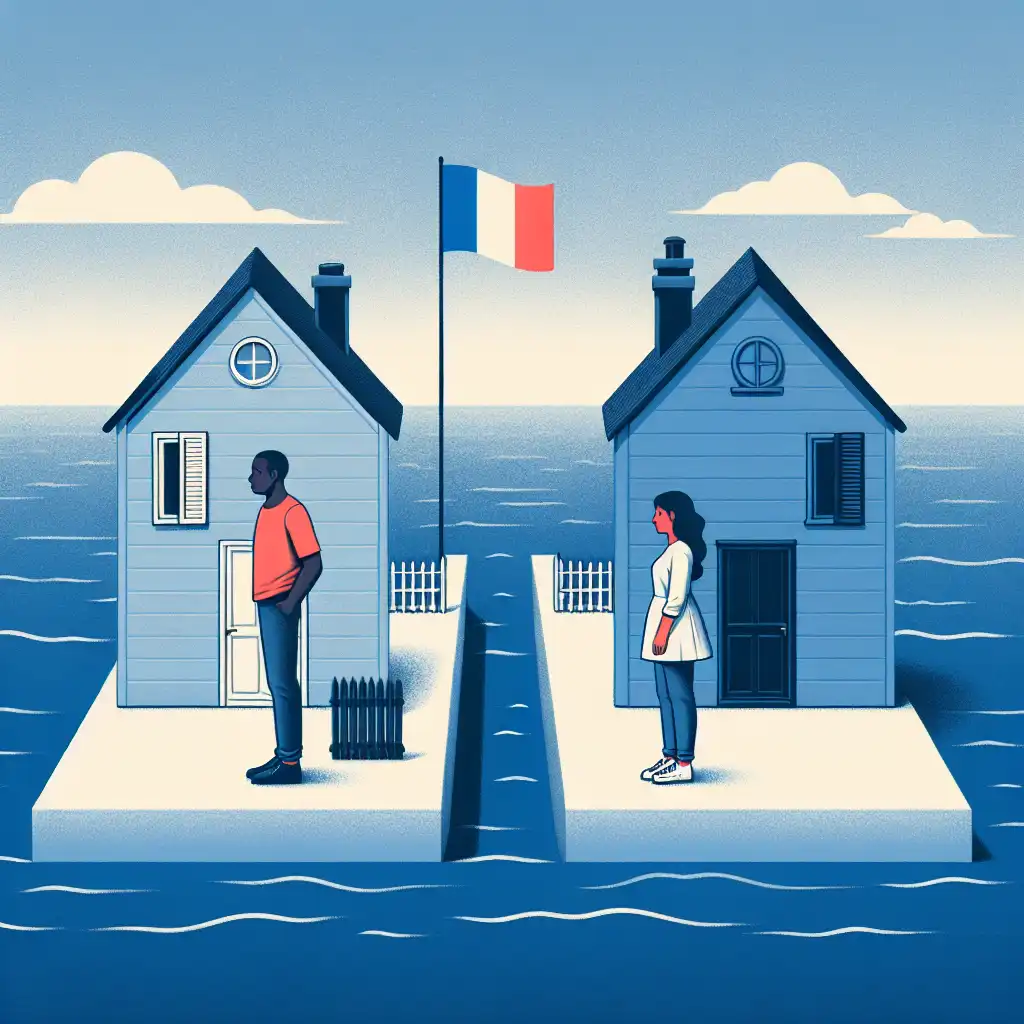
The fact that she's moving to France precludes the possibility of us living together.
preclude
prɪˈkluːd
Loading…
prɪˈkluːd
To make something impossible or prevent it from happening, usually by doing something else
The fact that she's moving to France precludes the possibility of us living together.

prɪˈkluːd
To prevent someone from doing something or to not allow something
I believe these new rules will preclude people from expressing their opinions freely.

prɪˈkluːd
To rule out in advance
His criminal record precludes him from becoming a teacher.
Audio could not be loaded. Please try again later.
Preclude means to make something impossible, or to prevent it from happening. It can also mean to eliminate an option or to remove the possibility of a particular outcome. For example, if you have already committed to doing something at a certain time, it may preclude you from accepting another invitation that occurs at the same time. Or, if a new policy is put in place, it may preclude certain actions or behaviors that were previously allowed. In other words, preclude means to block or limit something from happening or being available.
Bar means to block or prevent something from happening, like a door that is barred to keep people out. Preclude means to prevent or make something impossible, like a broken leg precluding you from running in a race.
Both words are used to describe preventing something from happening, but bar tends to be used for physical objects or obstacles while preclude tends to be used for more abstract or intangible things, like opportunities, options, or possibilities.
For example, you might say "the locked gate barred our entry to the park" or "bad weather precluded us from going to the beach."
Open word: Bar →Exclude means to keep something or someone out intentionally or by choice. For example, "I excluded her from the party because she wasn't invited.".
In simpler terms, exclude means to leave something or someone out intentionally or willingly, while preclude means to make something impossible or prevent it from happening in advance.
Open word: Exclude →Hinder means to make it difficult for someone to do something. For example, if someone puts obstacles in your way, they hinder your progress.
Hinder makes something hard to do, while preclude makes it impossible. Both words are used to describe situations where something is getting in the way of another task, but hinder means that it's just more difficult, while preclude means it's not possible at all.
Open word: Hinder →Both impede and preclude mean to hinder or prevent something from happening.
Impede means to slow down or obstruct progress or movement. For example, if there is heavy traffic on the road, it can impede your journey and delay your arrival.
Impede means to slow down, while preclude means to prevent entirely.
Open word: Impede →Obstruct means to block or hinder progress, movement or passage.
It is often used to describe physical barriers or obstacles that impede the path of something or someone. For example, a fallen tree obstructs a road or a broken lock obstructs the opening of a door.
It is not necessarily a physical obstruction, but rather a situation or circumstance that makes something unlikely or impossible to occur.
Obstruct refers to physical barriers while preclude refers to circumstances or situations that prevent something from happening.
Open word: Obstruct →Prevent means to stop something from happening before it actually happens. For example, wearing a seatbelt can prevent injuries in a car accident.
Preclude means to eliminate the possibility of something happening beforehand, while prevent means to stop something from happening altogether.
Open word: Prevent →Prohibit means to not allow something or to make something illegal. For example, smoking is prohibited in some public areas.
Preclude means to stop something from happening while prohibit means to not allow it to happen in the first place. Preclude is more about preventing the possibility of something happening while prohibit is more about stopping something that is already happening.
Open word: Prohibit →Stop means to put an end to something that is already happening. It involves taking action to halt a current process or behavior.
For example, pressing the break pedal will stop a car that is already moving.
Preclude is used to prevent something from happening before it starts, while stop is used to put an end to something that is already happening.
Open word: Stop →Kayvon Tehranian: How...
Watch on YouTube ↗There is no physical law precluding particles from being organised in ways that perform even more advanced computations than the arrangements of particles in human brains.
Let's Talk About Clean...
Watch on YouTube ↗The children who are 'our future' will inherit a world created not just by parental devotion but by the sort of zealous, focused endeavors that can preclude good parenting.
Sometimes you're encouraged, and other times disappointed. It's a matter of going in and precluding all that with, 'This is what I do, not who I am.' I need to be who I am in the process of doing what I do. I need to stay true to what it is I'm really here for. And that's the hardest thing, the biggest challenge.
I don't think there's any reason in journalism not to approach stories we cover with humility, empathy, compassion, and intellectual openness. I mean, I think those are just important human traits. I don't think that precludes scrutiny, negativity, where it's appropriate.
The Ranbaxy acquisition doesn't preclude us from making more large acquisitions. The important issue is whether we have the management bandwidth to handle the acquisition.
At least I have precluded the possibility of peaking too early.
Relationships do not preclude issues of morality.
My impression is that the NBA always precluded anything else.
Diversity does not preclude political stability.
Liberalism does not preclude an organisation of the flow of money in which some channels are used in decision making while others are only good for the payment of debts.