embrasure
noun embrasure
ɪmˈbreɪʒər
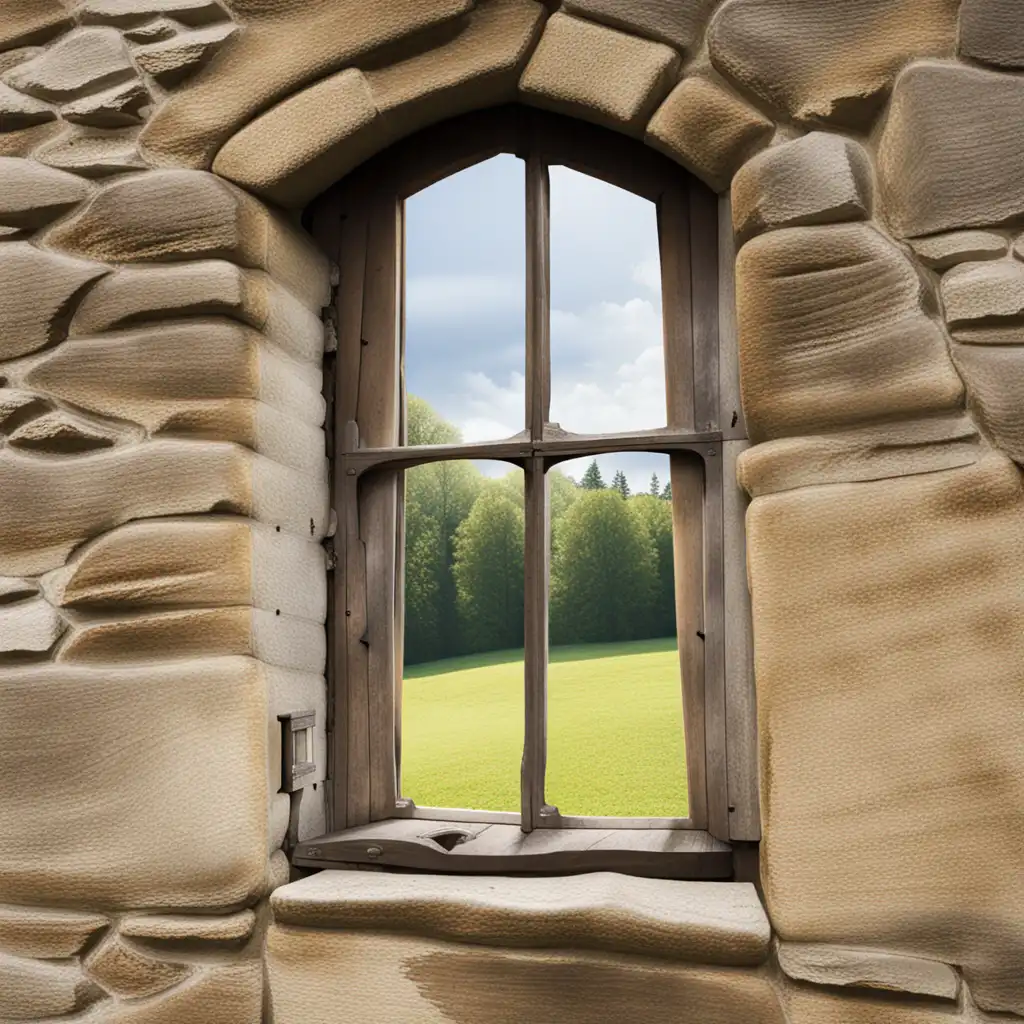
A small opening in a wall or window that allows light or air to enter.
There was a cool breeze blowing in through the embrasure of the old castle.
embrasure
ɪmˈbreɪʒər
Loading…
ɪmˈbreɪʒər
A small opening in a wall or window that allows light or air to enter.
There was a cool breeze blowing in through the embrasure of the old castle.
ɪmˈbreɪʒər
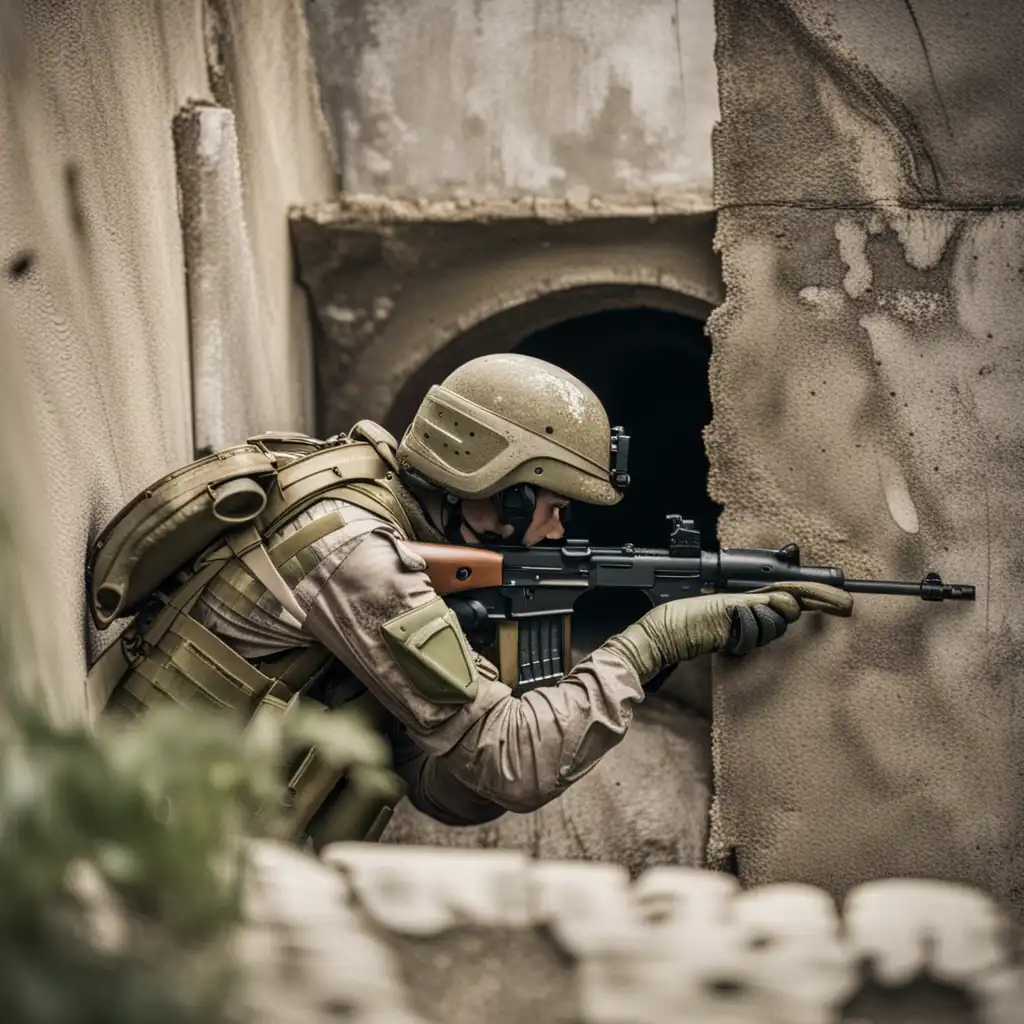
In military terms, it's a gap in a fortification through which weapons can be fired.
The soldier was ordered to defend the embrasure at all costs.

ɪmˈbreɪʒər
In dentistry, it refers to the gap between two teeth.
The dentist filled the embrasure between two of the patient's teeth.
Audio could not be loaded. Please try again later.
An embrasure is a type of opening or nook that is usually found in a wall, usually in a fortified structure, such as a castle or fortress. It's often designed to allow a person to shoot arrows, guns or cannons through from a safe place, in order to defend the building. In simpler terms, it's a small opening or window-like structure that offers a strategic advantage in a battle or defense situation.
Both aperture and embrasure refer to openings or gaps in a surface.
An aperture is typically a circular or oval-shaped opening through which light passes. It is most commonly used in photography or optics to refer to the opening in a camera lens.
Aperture can also describe any opening or gap in a surface, such as a door or window.
Aperture is a general term for any opening or gap in a surface, while embrasure specifically refers to a narrow opening in a fortification or wall.
Aperture is applicable in photography or optics, while embrasure is used in military terms.
Open word: Aperture →An embrasure is a narrow opening in a wall or fortification through which weapons can be fired. An indentation is a small depression or notch in a surface.
Embrasures are generally used in military or defensive structures, while indentations can be found in various objects like keychains, rocks, or bookshelves.
Open word: Indentation →A loophole refers to a small gap or omission in a law or regulation that can be exploited to gain an advantage or avoid a responsibility.
An embrasure is a physical opening for a weapon while a loophole is a legal or regulatory opening that can be taken advantage of.
Open word: Loophole →A niche is a small recess or a hollow in a wall or a surface, used for the display of decorative objects or as a storage space.
A niche can be found in religious buildings, homes, or public spaces and has decorative or functional applications.
An embrasure is like a small window in a castle wall that soldiers can shoot through, while a niche is like a little shelf or alcove in a wall where you can put a pretty vase or statue.
Open word: Niche →Embrasure refers to an opening in a wall or fortification that is designed for someone to shoot through or see out of, usually in battle.
It's a narrow, purposeful opening, often with sides that are angled for greater protection.
Open simply means that something is not closed or obstructed. It does not have a specific purpose or design, and can refer to any sort of opening or uncovered area.
So, while an embrasure is a specific type of opening that is designed for a particular function, open just means that something is without obstruction or barrier.
Open word: Open →A recess refers to a small, sheltered area set back into a larger space. For example, a window recess is a small area set back into the wall that allows for a window to be placed.
In simpler terms, an embrasure is a small opening in a wall for defense while a recess is a small area set back into a larger space or a break in an activity.
Open word: Recess →Both embrasure and slit are architectural terms used to describe openings or gaps in structures, but they have slight differences in their meanings and applications.
An embrasure is an opening in a fortified wall, usually in the shape of a narrow slit, that allows soldiers to fire at enemies while remaining partially protected.
Embrasures are typically found in castles, fortresses, and other fortifications. They are often larger than slits and have sloping sides that allow soldiers to aim their weapons in different directions.
A slit is a narrow opening or gap in a building or structure that may serve a variety of functions, such as providing a source of light or ventilation.
Slits are found in buildings of various types, including houses, churches, and even military fortifications, but they are typically smaller and less angled than embrasures.
In summary, embrasures are large, sloping openings in defensive walls designed for military purposes, while slits are small, narrow gaps that serve more practical functions in a structure.
Open word: Slit →A window is an opening in a wall, usually made of glass or a transparent material, to allow light to enter a room or to provide a view to the outside.
So, while both an embrasure and a window are openings in a wall, they differ in their purpose and context. An embrasure is used for defense, while a window is used for light and view.
Open word: Window →From the exterior face of the wall towers must be projected, from which an approaching enemy may be annoyed by weapons, from the embrasures of those towers, right and left.