foreshore
noun foreshore
ˈfɔːrʃɔːr
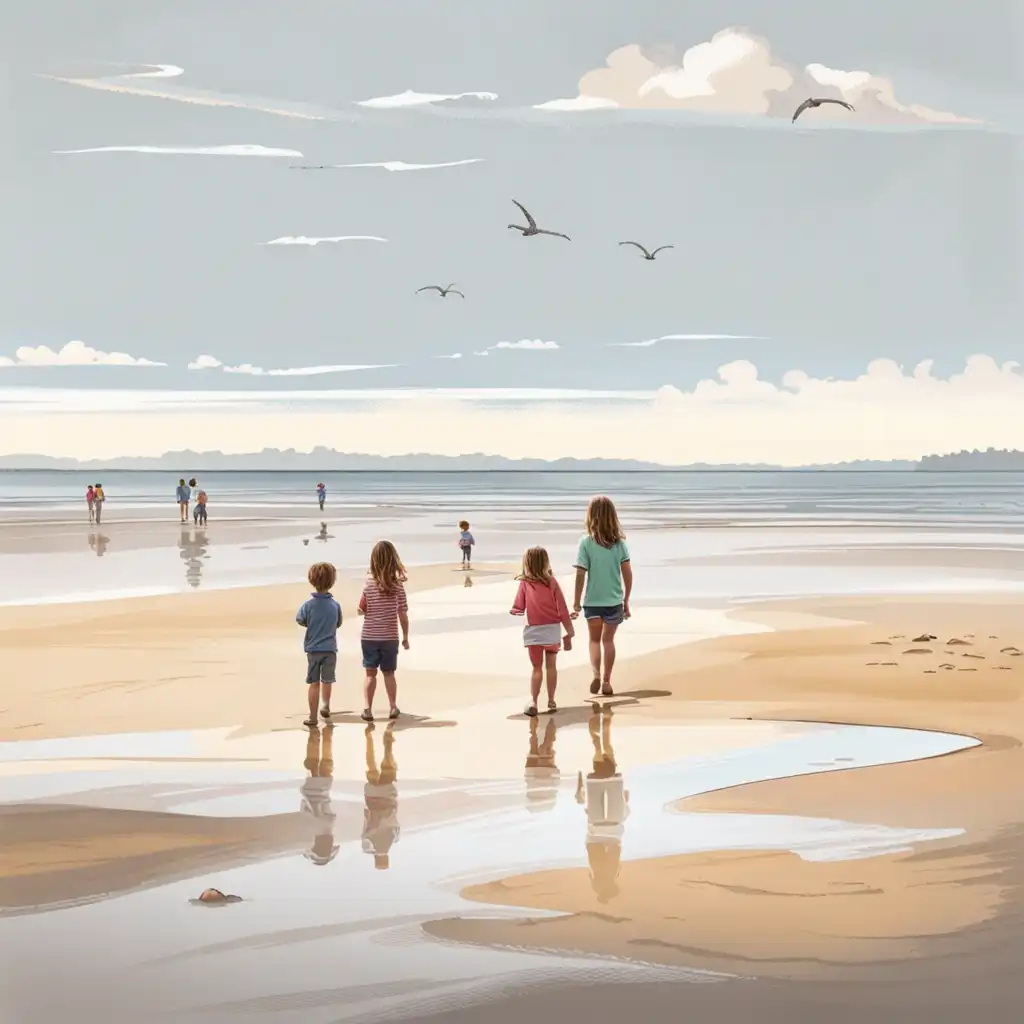
The part of a shore between high-water mark and low-water mark.
The kids spent the afternoon exploring the foreshore at low tide.
foreshore
ˈfɔːrʃɔːr
読み込み中…
ˈfɔːrʃɔːr
The part of a shore between high-water mark and low-water mark.
The kids spent the afternoon exploring the foreshore at low tide.
ˈfɔːrʃɔːr
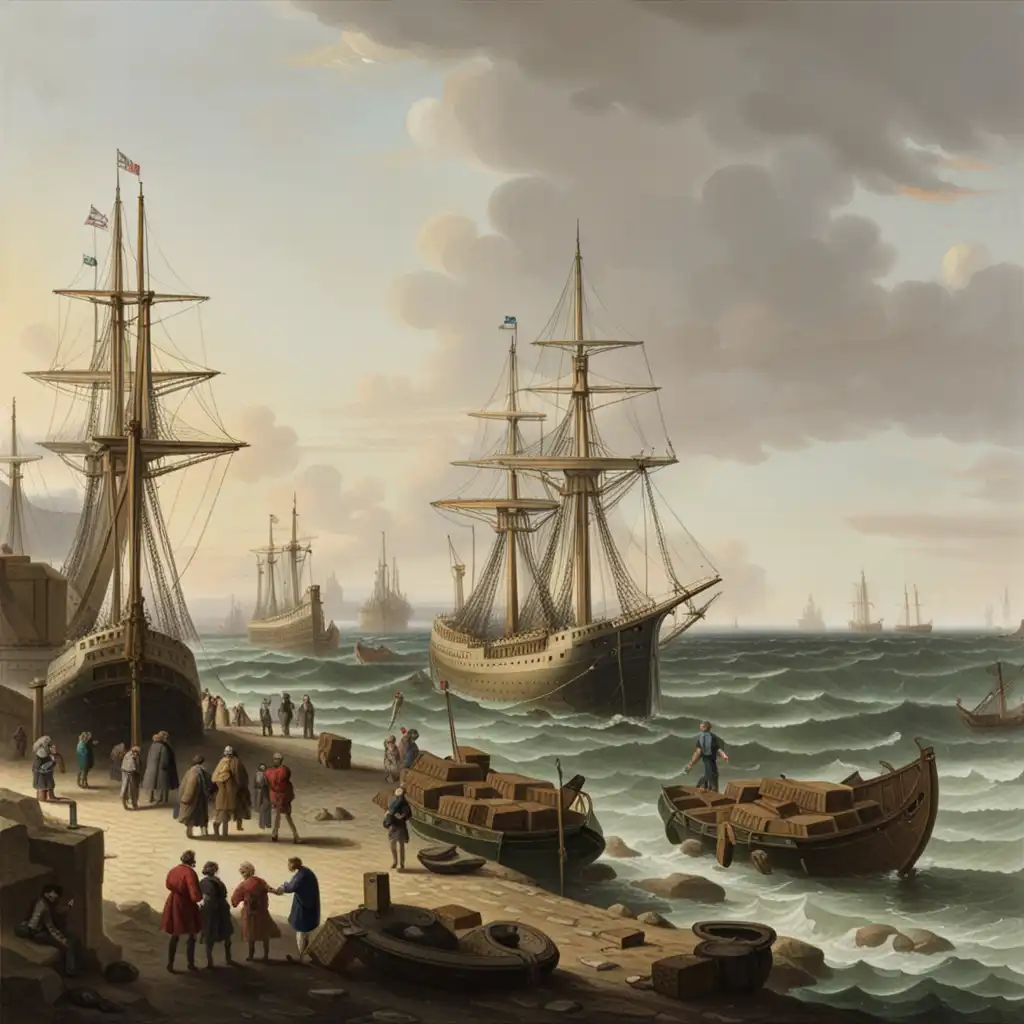
The legal right to use the foreshore for loading or unloading goods.
The local council is discussing the allocation of foreshore rights.
音声を読み込めませんでした。しばらくしてからもう一度お試しください。
The foreshore refers to the part of a beach, river or lake that is visible when the tide is low. It is the area that is between the water line and the dry land. It is a popular term used in coastal areas where people go to the beach to swim or enjoy the scenery. For example, "We went for a walk on the foreshore and collected some shells."
Bank refers to a sloping raised land on the side of a river or any water body, which serves as a natural barrier to prevent the water from overflowing onto land.
A bank is a raised land next to a water-body, while the foreshore is the part of the beach between high and low tides.
単語を開く: Bank →A beach refers to the area of sand, pebbles or rocks that appears between the land and the sea. It is the sandy area next to the water, where you can swim or sunbathe.
Whereas, a foreshore is the part of the shore that is exposed at low tide and submerged at high tide. This means, the foreshore is the area just beyond the visible area of the beach where the waves break.
A beach is the visible area of sand or rocks where you can enjoy the water, while the foreshore is the area where the waves break and is only seen when the tide is out.
単語を開く: Beach →The coastline refers to the land along the edge of the sea or ocean, while the foreshore is the part of the coastline that is found between the high and low tide marks.
Coastline is a more general term that describes the shape of the land where it meets the sea, including cliffs, beaches, and rocky shores.
The foreshore is a specific part of the coastline that is only visible during low tide when the water recedes. It includes the area that is exposed by the low tide, such as sandy beaches, rock pools, and harbours.
The coastline is the overall shape of the land where it meets the sea, while the foreshore is the specific area along the coastline that is visible during low tide.
単語を開く: Coastline →An embankment is a man-made slope or wall used to hold back water or create a barrier. They are commonly found along rivers and canals to prevent flooding or erosion.
For example, the Thames Embankment in London was built to protect the city from floods.
In summary, embankments are man-made structures used to control water levels, while foreshores are natural areas of land between the tide marks found along coastlines.
単語を開く: Embankment →The seashore is the land that is adjacent to the sea or ocean, including the foreshore but also including the higher land above it.
The seashore includes both the foreshore and the higher land that makes up the coastline.
単語を開く: Seashore →The shoreline refers to the line where the land meets the sea, regardless of the tide level.
The shoreline is a permanent feature and refers to the overall boundary between land and sea. It is where waves break and where the sea can erode or deposit material, creating cliffs, sand dunes or beaches.
To summarize, the foreshore is the area between high and low tide, while the shoreline is the permanent boundary between land and sea.
単語を開く: Shoreline →Strand refers to the actual sandy or pebbly part of the beach where the water meets the land. This is the area where people swim and surf, and is typically subject to waves and currents.
The strand is also known as the beach.
The foreshore is the area between the low tide and high tide marks where people play, while the strand is the actual area of sand or pebbles where people swim and surf.
単語を開く: Strand →Waterfront is a general term that refers to the area along the edge of a body of water, such as a river, lake or ocean, where the land meets the water.
Waterfront is a more general term that can refer to any area along the edge of a body of water.
単語を開く: Waterfront →Orange Seals on British...
YouTube で見る ↗The Thames could be thought of as England's longest archaeological site, and no fewer than 90,000 objects recovered from its foreshore are in the collection of the Museum of London, whose 30-year relationship with London mudlarks is both committed and highly regulated.