occupant
noun occupant
ˈɑːkjəpənt
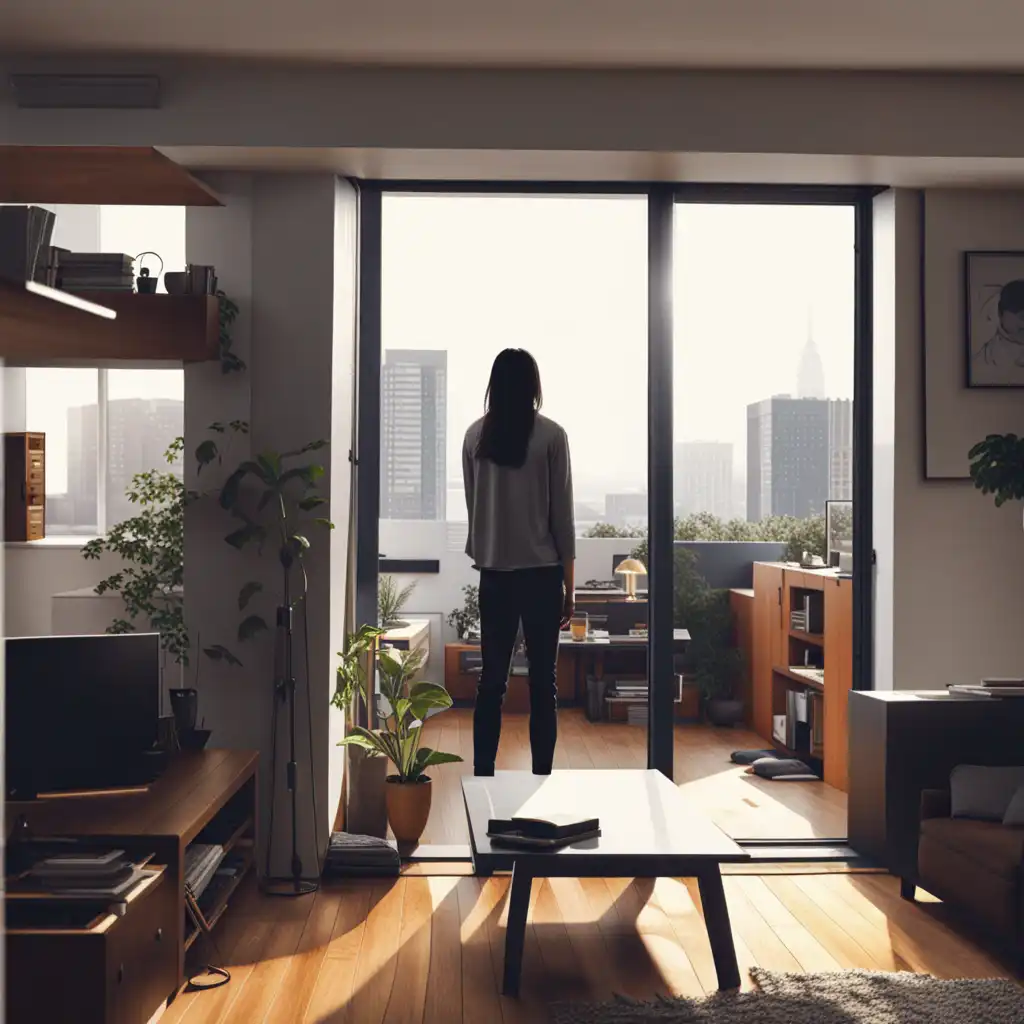
A person who lives in or uses a space, like a house or a seat in a car or theater
The occupant of the apartment above mine is very noisy.
occupant
ˈɑːkjəpənt
Đang tải…
ˈɑːkjəpənt
A person who lives in or uses a space, like a house or a seat in a car or theater
The occupant of the apartment above mine is very noisy.

ˈɑːkjəpənt
A person who holds a position or office
The previous occupant of the presidency was very popular.

ˈɑːkjəpənt
A person who invades or takes control of a place that doesn't belong to them
The illegal occupant of the land was ordered to leave by the court.
Không tải được âm thanh. Vui lòng thử lại sau.
The word 'occupant' refers to someone who is living in a particular place or occupying a particular position. For example, if you are renting a house, you are the occupant of that house. In a hospital, the patient is the occupant of the room. The word 'occupant' is commonly used in legal or official documents, tenancy agreements, and emergency situations to refer to people who are living or present in a particular place.
Dweller refers to a person who lives in a particular place for an extended period of time, while occupant refers to a person who is just currently occupying a space, such as a hotel room or an office.
Dweller is generally used to describe a more permanent or long-term resident, while occupant is used for someone who is only staying for a short amount of time.
For example, a person who lives in a house is a dweller, while a person who is renting a hotel room is an occupant.
Mở từ: Dweller →A householder refers to the person who owns or is in charge of a house, while an occupant refers to any person who lives or stays in a particular place, regardless of whether they own or rent it.
For example, if we were talking about a home, the householder would be the person who owns the house or is responsible for maintaining it, while the occupants could be family members, renters, or guests.
Householder is a more specific and formal term, often used in legal or official documents, while occupant is a more general and informal term that can be used in everyday conversation.
Mở từ: Householder →An inhabitant refers to a person who lives in a particular place or country, while an occupant refers to a person who physically occupies or resides in a specific building or place.
Inhabitant is more commonly used to describe a person's permanent or long-term residence, while occupant describes temporary or short-term stays.
For example, someone who lives in a city or country would be referred to as an inhabitant, while someone who is renting a house for a few months would be an occupant.
Mở từ: Inhabitant →A lessee is someone who signs a lease or rental agreement with the owner of a property, agreeing to pay rent in exchange for the right to occupy the space.
In other words, a lessee is a legal tenant with rights and obligations, while an occupant is simply a person physically present in the space.
Mở từ: Lessee →A lodger is someone who pays rent to live in someone else's home, usually for a specific period of time, while an occupant is anyone who is occupying a space or building, whether they pay rent or not.
For example, if someone decides to rent out their spare room to a student for a semester, that student is their lodger.
Lodger is used in reference to people who are renting a room in someone's house, while occupant is a broader term that could refer to anyone who is using or living in a space.
Mở từ: Lodger →Both occupant and occupier refer to a person who lives or works in a particular place.
Occupier is typically used to refer to someone who is legally entitled to occupy a space, such as a tenant or a property owner.
For example, if you rented an apartment, you would be the occupier of that apartment.
Occupant can apply to anyone who is currently occupying a space, while occupier specifically refers to someone who has the legal right to occupy that space.
Mở từ: Occupier →A possessor is someone who owns or has control over something. This could be a physical object like a car or a house, or even an intangible thing like an idea or a patent.
A possessor has the right to use, sell, or give away the thing they possess.
In summary, while an occupant refers to someone who is physically present in a space, a possessor refers to someone who owns or has control over a thing.
Mở từ: Possessor →Resident refers to someone who lives in a particular place, such as a house or an apartment, on a long-term or permanent basis.
For example, someone who has their own apartment and stays there for a longer period of time is a resident of that apartment.
Occupant refers to someone who is currently present in a space, while resident refers to someone who lives in a particular place on a long-term basis.
Mở từ: Resident →Tenant specifically refers to someone who is renting a space from a landlord or property owner. This can include apartments, houses, and commercial spaces.
Therefore, while occupant is a broader term that can refer to any person using a space, tenant is more specific and is only applicable to those who are renting a space from someone else.
Mở từ: Tenant →The Infinite Hotel...
Xem trên YouTube ↗When a driverless car looks out on the world, it's not able to distinguish the age of a pedestrian or the number of occupants in a car.
Small House Seems Large...
Xem trên YouTube ↗I think a house should reflect the interests and personality of the occupant, but it takes time to gather together the objects one likes around oneself.
A lesson on looking %\PIPE%...
Xem trên YouTube ↗The presidency is, in many ways, America's comment on itself; our collective national costume. In the occupant of our sole nationwide elected office, we see who we think we are, or who we want to be.
Hippo vs Lion Clan %\PIPE%...
Xem trên YouTube ↗The Borrowers' is the story of tiny people who live beneath the floorboards of houses and borrow from the occupants. I may have tried to pull up a plank or two because of it.
ET is (probably) out...
Xem trên YouTube ↗Buildings designed exclusively on scientific principles will depress their occupants and constrain their creativity.
Robin Ince: Science...
Xem trên YouTube ↗Being an outsider means not being heard, not having a voice. It means being treated as a second-class citizen, being diminished in the eyes of others. We have all felt this way at one time or another, but some feel it more consistently. Unfortunately, our schools often do not embrace the talents of many of their occupants.
My $500 house in Detroit...
Xem trên YouTube ↗The man in gray decided to take the Glen Suite of diamonds at midnight. Provided they were still in the apartment safe and the occupants away. This he needed to know. So he watched and he waited. At half past seven he was rewarded.
Biodome Bet %\PIPE% Doomsday...
Xem trên YouTube ↗The unknown has undone many a president, and no matter the popularity of an Oval Office occupant, any and all presidents are vulnerable. Of course, one thing that seems to set Obama part from his recent predecessors is his ability to keep an inner calm about tough issues.
Anna Mracek Dietrich: A...
Xem trên YouTube ↗Some people in this nation believe that race is a significant factor in the constant attacks against President Obama. Others believe that these attacks reflect only the normal level of criticism aimed at the occupant of the White House.
Seth Shostak: ET is...
Xem trên YouTube ↗In many respects, David Duke was the playbook. He established the playbook by which Donald Trump ran and ultimately became - I won't even use the term - let's just say he became the occupant of the White House.