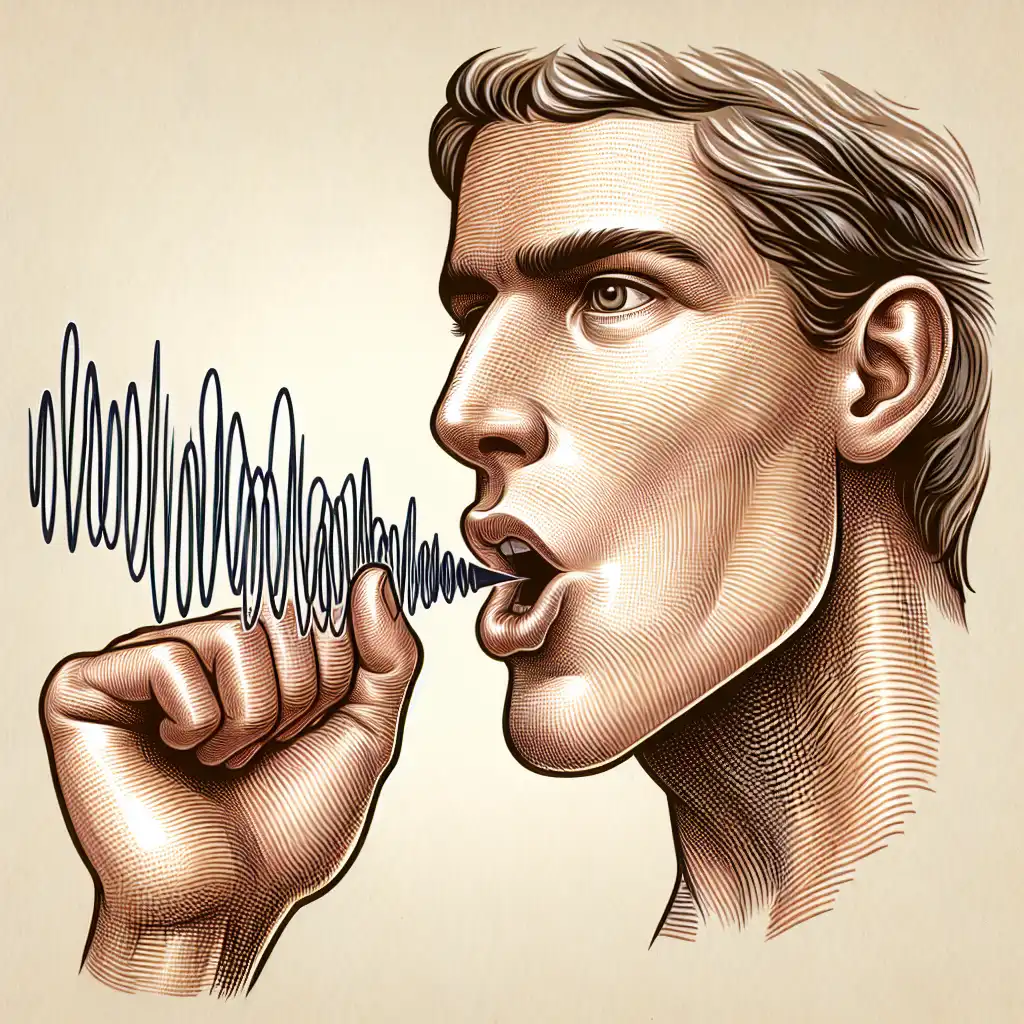
sibilant
adjective sibilant
ˈsɪbɪlənt
Sounds that are characterized by a hissing sound.
The spoken 's' in 'sea' is a sibilant sound.
sibilant
ˈsɪbɪlənt
Loading…
ˈsɪbɪlənt
Sounds that are characterized by a hissing sound.
The spoken 's' in 'sea' is a sibilant sound.

ˈsɪbɪlənt
A speech sound that is hissing, like 's' or 'sh'.
The letters 's' and 'sh' are often used in English to denote a sibilant.
Audio could not be loaded. Please try again later.
The word 'sibilant' is used to describe sounds that are made with a hissing or shushing sound. This word is usually used when describing certain letters in the English language like 's' or 'sh'. For example, when you say the word "hiss," you can hear the sibilant sound of the letter 's'. It can also be used to describe the sound made by a snake or other animal that hisses. So, if you hear a sound that has a hissing or shushing sound like 's' or 'sh', you can describe it as sibilant.
Fizz describes a sound that is made when a liquid produces bubbles that pop or burst, typically with a low hissing or buzzing sound.
Fizz describes the sound of bubbles in a liquid, while sibilant describes a specific type of hissing or whistling sound made by certain consonant sounds.
Open word: Fizz →Both hiss and sibilant refer to a specific type of sound made by forcing air through a narrow opening, but they're often used in different contexts.
Hiss typically describes a sound made by an animal or object, such as a snake hissing or a tire hissing after being punctured.
It's often used to describe sounds made with a hissing or shushing quality, such as the "s" and "sh" sounds in words like "sit" and "shush."
Hiss is generally used to describe a harsh, noisy sound made by animals or objects, while sibilant describes a specific type of hissy sound made by humans during speech.
Open word: Hiss →Rasp is a rough, scratchy sound, such as the sound of a saw blade or sandpaper. It is commonly used to describe a harsh or grating voice or breathy sound.
Open word: Rasp →Serpentine refers to anything that is curved or twisting like a snake or serpent. For example, a road that winds back and forth through the mountains can be described as serpentine.
Serpentine is applicable when describing something that has a twisting or curving shape like a serpent, while sibilant is applicable when describing a specific hissing or whispering sound made by certain letters or sounds.
Open word: Serpentine →Sizzle describes a sound that is made when something hot is put on a surface, like the sound bacon makes when it's fried.
Sibilant describes sound related to speech, while sizzle describes sounds related to cooking or heat.
Open word: Sizzle →Swish refers to a sound that is made when something moves quickly through the air, usually accompanied by a rustling sound.
For example, the sound of a basketball hoop when a basketball shoots through it is a swish sound.
The difference between sibilant and swish is the type of sound they describe.
Sibilant describes a hissing or whistle-like sound, while swish describes a rustling or whooshing sound.
Open word: Swish →Sibilant and wheeze both refer to sounds made while breathing, but they have different meanings. Sibilant refers to a hissing or whistling sound made when air is forced through a narrow passage, such as when someone is exhaling or inhaling with asthma.
Wheeze refers to a high-pitched whistling or rattling sound made when someone is exhaling with narrowed air passages, such as during an asthma attack.
Sibilant is more general and can encompass a wider range of sounds, while wheeze specifically implies a narrowed airway.
Open word: Wheeze →It's a sound made with the mouth and tongue. Whistle refers to a shrill sound made by blowing air through the lips or a small hole in the mouth.
It's a sound made with the lips and breath. Sibilant sounds might be heard in speech, while a whistle is a sound intentionally made to attract someone's attention, signal for help or cheer on a team.
Open word: Whistle →The sibilant s is the most difficult sound to correct.