cosmic
adjective cosmic
ˈkɑːzmɪk
related to the universe or cosmos, especially when it is viewed as a whole
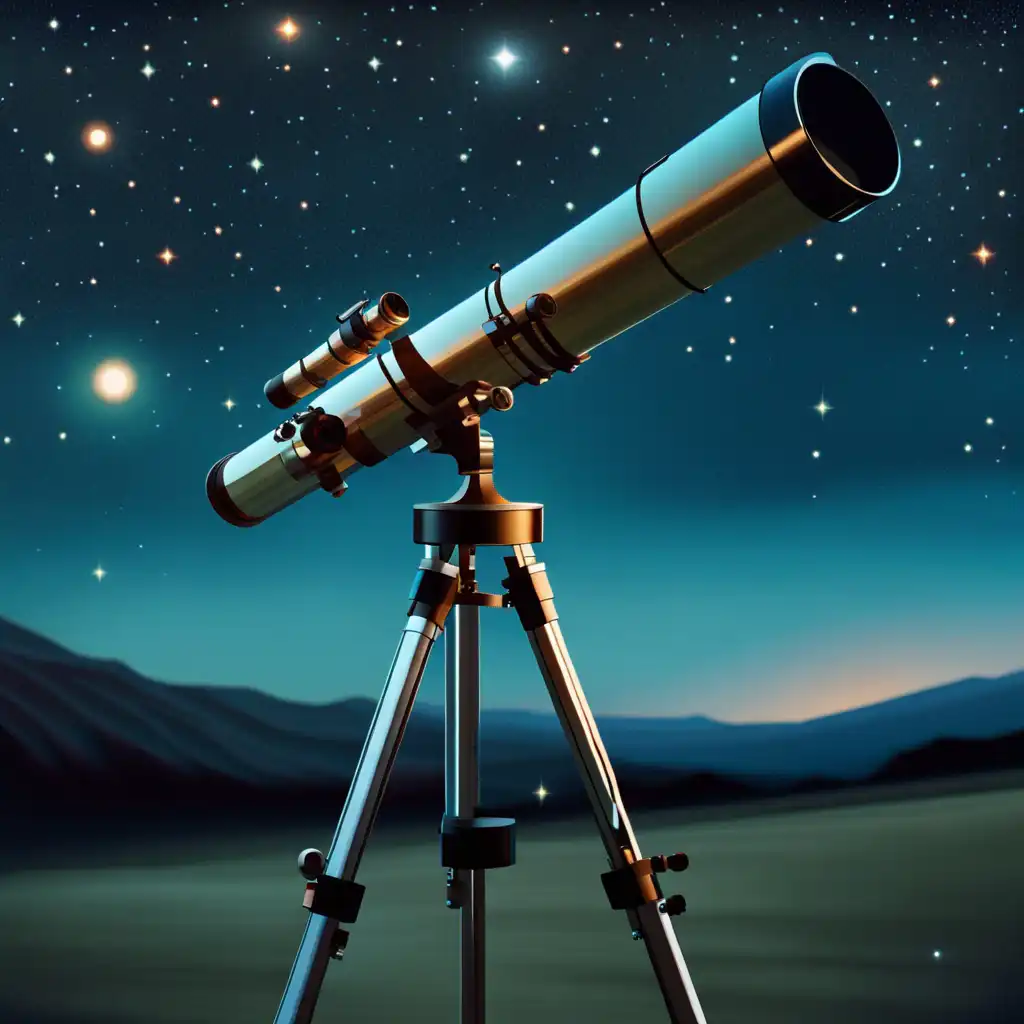
The telescope provides a glimpse into the cosmic world beyond our planet.
cosmic
ˈkɑːzmɪk
読み込み中…
ˈkɑːzmɪk
related to the universe or cosmos, especially when it is viewed as a whole
The telescope provides a glimpse into the cosmic world beyond our planet.

ˈkɑːzmɪk
incomparably great, or impressive to a degree suggestive of the universe or cosmos
The cosmic importance of this discovery cannot be overstated.

ˈkɑːzmɪk
relating to the spiritual universe and unseen realms, often connected with mystical or New Age beliefs
He has a cosmic perspective on life and our place in the universe.
音声を読み込めませんでした。しばらくしてからもう一度お試しください。
The word 'cosmic' is used to describe things that are related to the universe or outer space. For example, you might hear someone say that the stars are part of the cosmic universe, or that a particular event had a cosmic impact on the world. It can also be used to describe something that is huge or significant in a way that feels universal, like a cosmic truth or a cosmic battle. So, if you hear someone using the word 'cosmic', it's a good clue that they're talking about something related to outer space or that has a big and meaningful impact.
Astronomical usually refers to things that are very large in size or quantity, such as astronomical distances or astronomical numbers (like the distance between planets, or the number of stars in the galaxy).
Cosmic is a more general term that can refer to anything related to the universe, including astronomical things.
Astronomical is more specific and quantitative, while cosmic is more general and philosophical.
単語を開く: Astronomical →Celestial refers to things that are related to the sky, the universe or outer space, and are often associated with objects such as stars, planets, and comets.
Both words are applicable in space-related contexts, but celestial is more often associated with individual objects like planets and stars, while cosmic describes the universe as a whole.
Celestial would be used to describe the moon's phases, while cosmic would be used to describe the Big Bang theory.
単語を開く: Celestial →Extraterrestrial specifically refers to anything outside or beyond Earth, such as alien life or objects from space that have landed on Earth.
Cosmic can be applied to both Earth and other planets, while extraterrestrial is only applicable to things outside Earth.
単語を開く: Extraterrestrial →Both cosmic and galactic relate to the universe, but they have different meanings.
Galactic specifically refers to things that relate to our own Milky Way Galaxy, including its stars, planets, and other celestial objects within it.
Cosmic is a more general term that refers to the entire universe, while galactic is a more specific term that pertains to our own galaxy.
単語を開く: Galactic →Heaven refers to a religious or spiritual concept of a peaceful and perfect place where spirits or souls go after death.
Cosmic is more scientific and related to everything in the universe, while heaven is tied to religious or spiritual concepts and can also refer to the sky.
単語を開く: Heaven →Intergalactic refers specifically to the space between galaxies.
This word describes things that exist or happen between galaxies, such as intergalactic space travel or intergalactic gas clouds.
Cosmic is a broader term that encompasses everything related to the universe, while intergalactic is more specific and refers to things that are specifically related to the space between galaxies.
単語を開く: Intergalactic →Stellar refers specifically to stars and their characteristics, such as their size, brightness, and age.
It describes things that are related to stars or star systems, such as stellar evolution, stellar nurseries, or stellar explosions.
Cosmic refers to the universe as a whole, while stellar refers to stars and their properties.
単語を開く: Stellar →Universal refers to something that is common or present everywhere. It doesn't have to be related to space or the universe like cosmic does.
For example, "universal truths" are ideas or beliefs that apply to everyone, regardless of where they come from or what their experiences are.
Cosmic is applicable when talking about things related to space or the universe, while universal is more general and can describe anything that is common or present everywhere.
単語を開く: Universal →to get it that was it the invertebrates the smaller animals these micro cosmic worlds have all the dramas of the jungle or the the plains there there are heroes there are dramas unfolding that are just as remarkable the most
YouTube で見る ↗Not enough people in this world, I think, carry a cosmic perspective with them. It could be life-changing.
they were amplified and stretched out to cosmic scales. Cosmologists believe that these original quantum fluctuations were the seeds of everything we see galaxies and the entire large scale structure of the universe, as well as planets and solar systems.
YouTube で見る ↗There is not one big cosmic meaning for all, there is only the meaning we each give to our life, an individual meaning, an individual plot, like an individual novel, a book for each person.
and then cosmic rays and U.V. bombarded the surface and water escaped to space and went underground. So if we want to be able to understand, if we want to be able to find those traces of the signatures of life
YouTube で見る ↗Master of the universe is every man's potential insight, cosmic potential.
of control I said wait wait wait you see that moon rock it's 3.6 billion years now we're all just passing through here and we don't have very much time so let's just calm down and figure out what the right thing to do is and it worked every single time somebody they look most every cosmic
YouTube で見る ↗I had imagined doing nuclear physics and cosmic ray work in greater style in peace time. To do modern physics in a small way is of no use of all.
setting the cosmic distance scale and measuring distances cosmologically not only that we can also measure the periodic dimming of stars that occurs when a planet orbits them and the orbit takes it within our line of sight and if we're actually going to observe life around another planet which I think we're on the eve of doing
YouTube で見る ↗Because there is no cosmic point to the life that each of us perceives on this distant bit of dust at the galaxy's edge... there is all the more reason for us to maintain in proper balance what we have here. Because there is nothing else. No thing. This is it. And quite enough, all in all.
should be able to replicate throughout our galaxy in 4 million years or less. That may sound like a long time, but when you consider that our universe is 14 billion years old, on a cosmic scale it's incredibly fast -
YouTube で見る ↗What I do is not curing cancer or rocket science or lead mining - anything tremendously difficult or world changing. I understand where I am in the cosmic order of things, and I'm OK with it.
by carrying sophisticated electronic sensors that would measure everything from temperature to cosmic rays. You could deploy thousands of them for the cost of a single space shuttle mission, exponentially increasing the amount of data we could collect about the universe.
YouTube で見る ↗I'm into the law of attraction and quantum physics. Like cosmic ordering. It's all about thinking lovely things that you would like in life, and feeling good about them before they manifest, so that by the time they do, you don't want them because you're on to your next desire.
These cosmic rays most of which are protons, interact violently with the matter and radiation around them, producing high-energy neutrinos, which propagate out like cosmic breadcrumbs that can tell us about the locations and interiors of the universe's most powerful cosmic engines.
YouTube で見る ↗This life is not man's own show; if he becomes personally and emotionally involved in the very complicated cosmic drama, he reaps inevitable suffering for having distorted the divine 'plot.
And secondly could the puzzling observations of solar climate variability in the pre-industrial climate be explained by an influence of galactic cosmic rays on clouds? Ambitious but realistic goals when your head's in the clouds.
YouTube で見る ↗On a cosmic scale, our life is insignificant, yet this brief period when we appear in the world is the time in which all meaningful questions arise.
scientists are able to determine the relative abundance of elements, such as hydrogen and helium within the universe. But cosmic rays may provide even more fascinating information about the fabric of the universe itself.
YouTube で見る ↗We're on this planet for the briefest of moments in cosmic terms, and I want to spend that time thinking about what I consider the deepest questions.