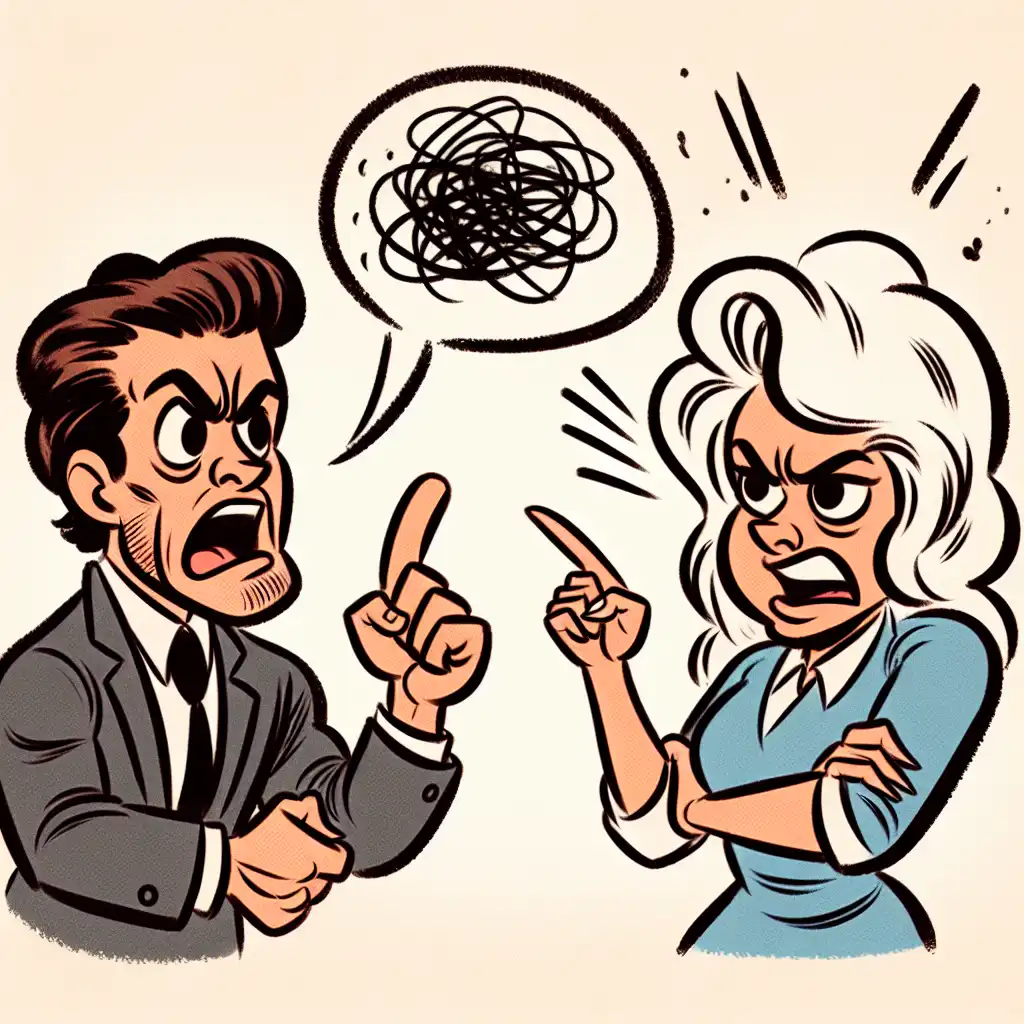
pejorative
adjective pejorative
pɪˈdʒɔːrətɪv
Used to express disapproval or criticism
He used a pejorative term to describe his opponent.
pejorative
pɪˈdʒɔːrətɪv
Cargando…
pɪˈdʒɔːrətɪv
Used to express disapproval or criticism
He used a pejorative term to describe his opponent.
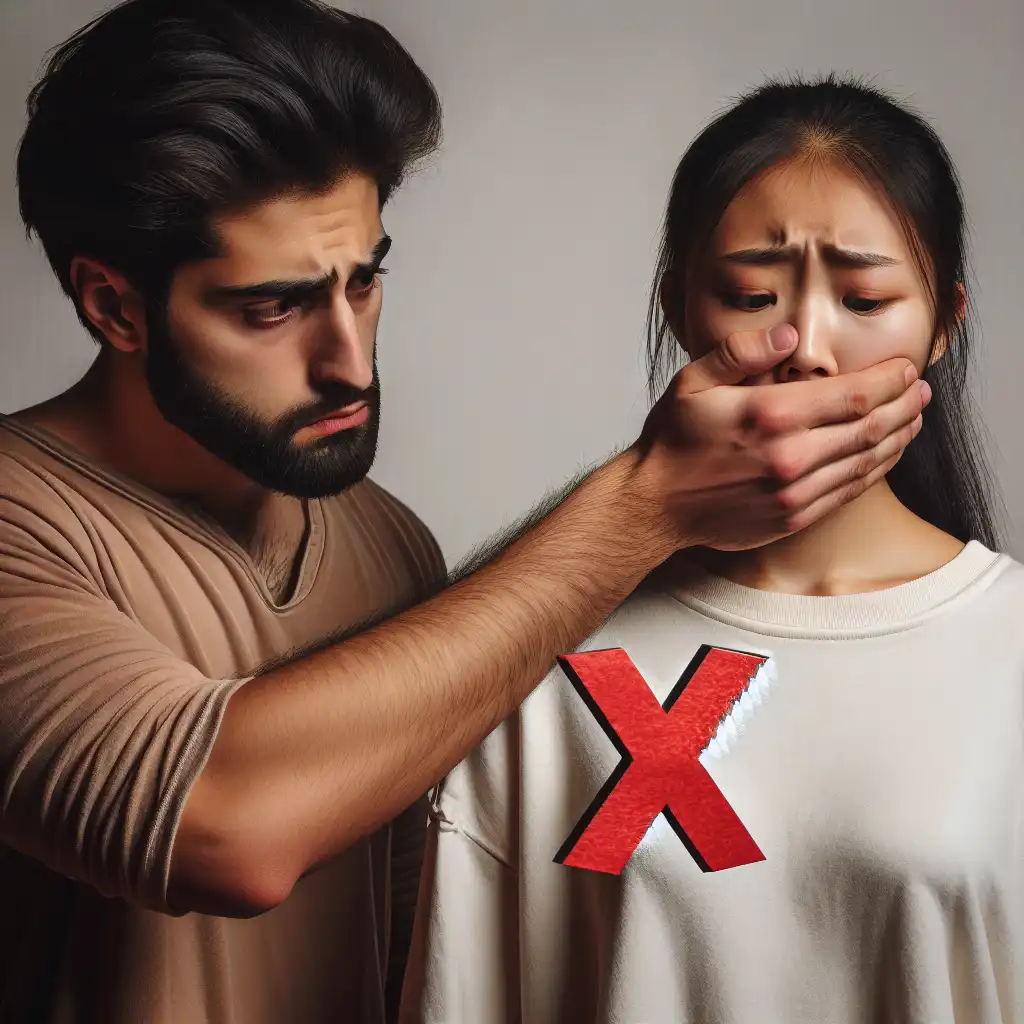
pɪˈdʒɔːrətɪv
A word or term that is offensive or shows disapproval
'Freak' is considered a pejorative by some people.
No se pudo cargar el audio. Inténtalo de nuevo más tarde.
The word 'pejorative' is used to describe a word or phrase that is intended to make something or someone sound negative or disrespectful. It is often used to criticize or insult someone or something. For example, calling someone a "loser" is a pejorative term because it is meant to belittle and insult them. It is important to be careful when using pejorative language as it can be hurtful and offensive to others.
Belittle means to make someone or something seem less important or valuable than they really are, often through words or actions.
For example, if a teacher constantly criticizes a student's work in front of the class and undermines their confidence, they are belittling that student.
The main difference between the two is that belittle is an action that is done to someone or something, while pejorative is a description of a word or phrase.
Belittle is applicable in situations where someone is being made to feel inferior or insignificant, while pejorative is applicable in situations where a negative or derogatory word is being used to describe something.
Abrir palabra: Belittle →Contemptuous means showing disdain or disrespect towards someone or something. It describes a feeling of disdain or hatred.
For example, if someone made a harsh comment about a person or an idea that they dislike, it would be considered contemptuous.
Contemptuous describes the feeling of disdain, while pejorative describes the use of negative language to express that disdain.
Abrir palabra: Contemptuous →Critical means analyzing something carefully to make a judgement or evaluation.
For example, if a teacher gives constructive criticism on an essay, it is considered critical feedback that can help improve the student's writing.
Abrir palabra: Critical →Demean means to lower someone's status or reputation, often through words or actions. Pejorative means expressing contempt or disapproval and can refer to words or phrases that are meant to belittle or insult someone or something.
Demean is applicable when someone is trying to diminish someone else's reputation or standing. For example, a politician might demean their opponent by making negative comments about them during a debate.
Abrir palabra: Demean →Both derogatory and pejorative mean expressing a low opinion of someone or something.
However, derogatory is used more broadly to describe any negative comment or action that degrades someone or something's reputation.
Derogatory can refer to any statement that puts something/someone down whereas pejorative specifically refers to language that is meant to insult or belittle.
Abrir palabra: Derogatory →Both disparage and pejorative mean to express disapproval or criticize someone or something.
However, disparage generally means to belittle or unfairly criticize someone or something in a way that reduces their worth or reputation.
For example: "She disparaged his accomplishments by calling them insignificant."
Disparage is about criticizing the worth or reputation of someone/something, while pejorative is about using insulting or derogatory language.
Abrir palabra: Disparage →An insult is a remark or comment that is intended to hurt or offend someone.
Both insult and pejorative can be hurtful and offensive.
However, an insult is more specific to an individual, whereas a pejorative is aimed at a group or category of people.
Abrir palabra: Insult →Negative means something that is not positive or has harmful effects. It describes something that is unfavorable or undesirable but does not necessarily imply a value judgment.
For example, "being late for work is negative because it can result in consequences like getting fired," whereas "calling someone stupid is pejorative because it is hurtful and disrespectful."
Abrir palabra: Negative →Nicholas Negroponte: One...
Ver en YouTube ↗I just love bossy women. I could be around them all day. To me, bossy is not a pejorative term at all. It means somebody's passionate and engaged and ambitious and doesn't mind leading.
Compelling Models for...
Ver en YouTube ↗The term 'genre' eventually becomes pejorative because you're referring to something that's so codified and ritualised that it ceases to have the power and meaning it had when it first started.
Mysteries of vernacular:...
Ver en YouTube ↗I think it is very sad that 'sitcom' has become a pejorative term.
I don't think of 'heretic' as a pejorative term - necessarily.
The term 'niche' is no longer pejorative.
You know, conservatism is not a bad thing. It's not a pejorative.
There are any number of very hard working people in Hollywood who deserve recognition. Mostly its the artisans and crafts persons - the 'below the line' workers - whose only reward is to be pejoratively labeled 'below the line' workers. I say get them all on the next thing smoking to Vegas for an all expense paid weekend of whatever.
I think the term 'Twitter comedian' can seem like a pejorative because it's not a job, really, and there's such a low barrier for entry to get started.
I resent it when any part of the government refers to people who have money in the pejorative.
What I think is sad about the rom-com genre is that it has adopted this pejorative title. I think the reason why there haven't been as many great ones is because we are fighting against the genre itself. If it is a romantic comedy then snuggle up to the fact that it can be a really earnest, refreshing feeling to feel good after a movie.