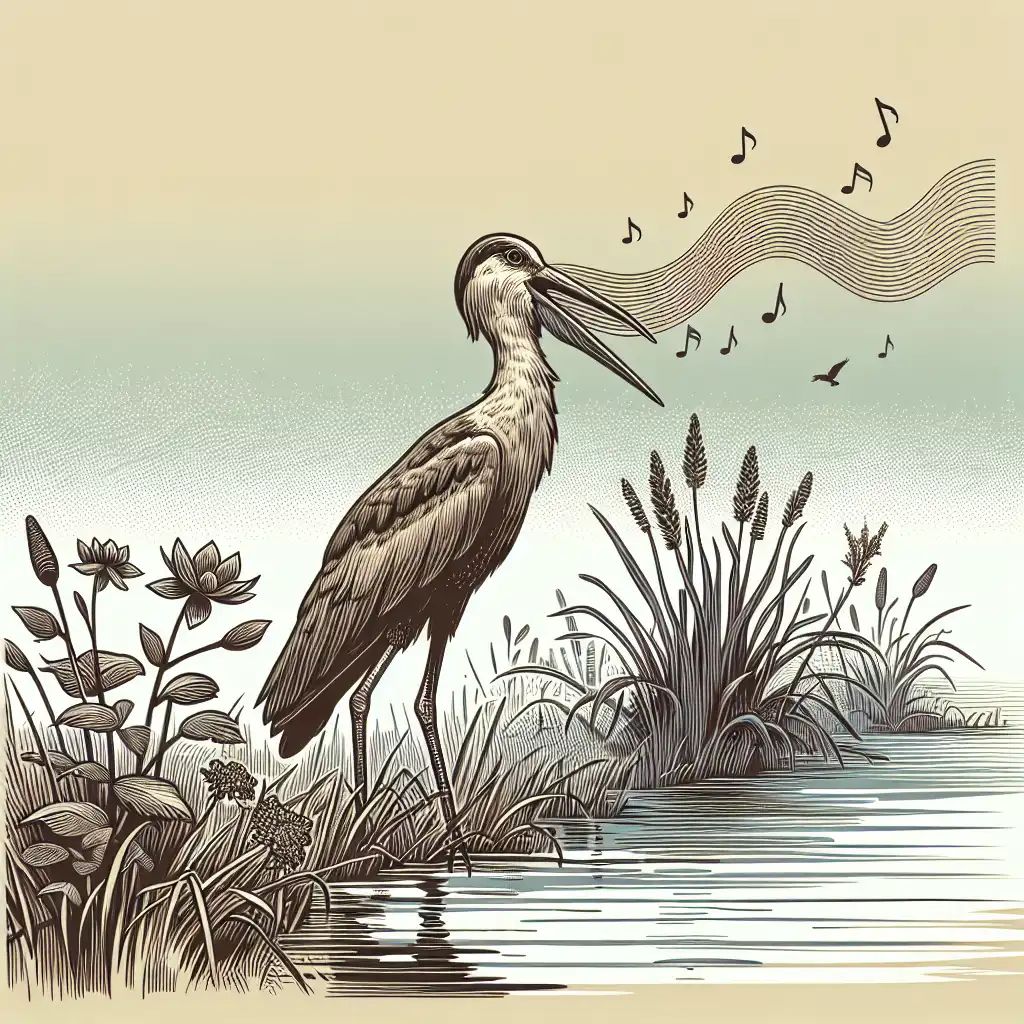
curlew
noun curlew
ˈkɜːrluː
A type of large, long-legged bird with a long, curved beak
A curlew was calling from the marshes
curlew
ˈkɜːrluː
読み込み中…
ˈkɜːrluː
A type of large, long-legged bird with a long, curved beak
A curlew was calling from the marshes
音声を読み込めませんでした。しばらくしてからもう一度お試しください。
Curlew is a bird that has a long, curved beak and a unique call. It is commonly found in coastal areas and wetlands, and is known for its distinctive, haunting cry. The word 'curlew' can be used when talking about bird-watching or nature, or in literature and poetry. For example, "I spotted a curlew on the beach today" or "The sound of the curlew echoed across the marshes."
Avocet and curlew are both types of bird species but they are different in their physical appearance and habitat.
An avocet is a wading bird that is easily recognized by its long slender legs, black and white feathers, and a long, thin upturned bill.
They are typically found near shallow water such as salt marshes, mudflats, and estuaries. Avocets feed on small aquatic animals like crustaceans and insects.
In summary, avocets are black and white birds found in shallow waters while curlews are mottled brown and white birds found in grasslands and mudflats.
単語を開く: Avocet →A curlew is a larger bird with a long, curved bill, while a dunlin is a smaller bird with a straight, thin bill. Curlews are typically found in coastal areas and wetlands, while dunlins are found in a variety of habitats including beaches, mudflats, and grasslands.
単語を開く: Dunlin →Curlew and knot are two different types of bird species.
Knot is a medium-sized bird that prefers open mudflats, mostly found near the shoreline. They feed on small shellfish and organisms found in the mudflats.
Knots are migratory birds and travel long distances between their breeding and wintering grounds.
The main difference between curlew and knot is their physical appearance, habitat, and feeding behavior. Curlew has a long bill and usually lives near the shoreline of the ocean, river or wetlands, while knot is a medium-sized bird that lives on open mudflats and feeds primarily on small shellfish and organisms.
単語を開く: Knot →Curlew and plover are both types of wading birds, but they differ in their physical characteristics and habitat.
A plover is a smaller bird with a shorter, straight beak that is used to catch insects and small crustaceans. They are often found along the shoreline of oceans, lakes, and rivers.
In summary, curlews are larger wading birds with curved beaks found in coastal areas and wetlands, while plovers are smaller wading birds with straight beaks found along shorelines.
単語を開く: Plover →A curlew and a sandpiper are both wading birds commonly found near water bodies. The main difference is in their appearance and behavior.
Sandpipers are smaller birds with straight bills that they use to pick insects and small invertebrates from the surface of mud, sand, or water.
They are found in a variety of habitats including beaches, rivers, and marshes. In summary, curlews are larger birds with curved beaks that forage by probing deep into mud, while sandpipers are smaller birds with straight beaks that forage by picking insects and small invertebrates from the surface of mud, sand, or water.
単語を開く: Sandpiper →A curlew and a snipe are both types of birds, but they are different species with distinct characteristics.
Snipes are smaller birds with straight, pointed beaks that they use to probe in the ground for food like insects and worms.
If you see a long-legged bird near the shoreline with a curved bill, it's likely a curlew. If you see a smaller bird darting around the grass or the forest floor with a straight beak, it's probably a snipe.
単語を開く: Snipe →Stewart Brand: The dawn...
YouTube で見る ↗As millions of people know, one of the great pleasures of walking in areas of the uplands managed for grouse is to see and hear large numbers of curlew, lapwing and golden plover - all ground-nesting birds largely absent or in rapidly declining numbers elsewhere.