
disquiet
noun disquiet
dɪsˈkwaɪət
A feeling of worry or unease
News of the scandal caused great disquiet among the investors.
disquiet
dɪsˈkwaɪət
Cargando…
dɪsˈkwaɪət
A feeling of worry or unease
News of the scandal caused great disquiet among the investors.
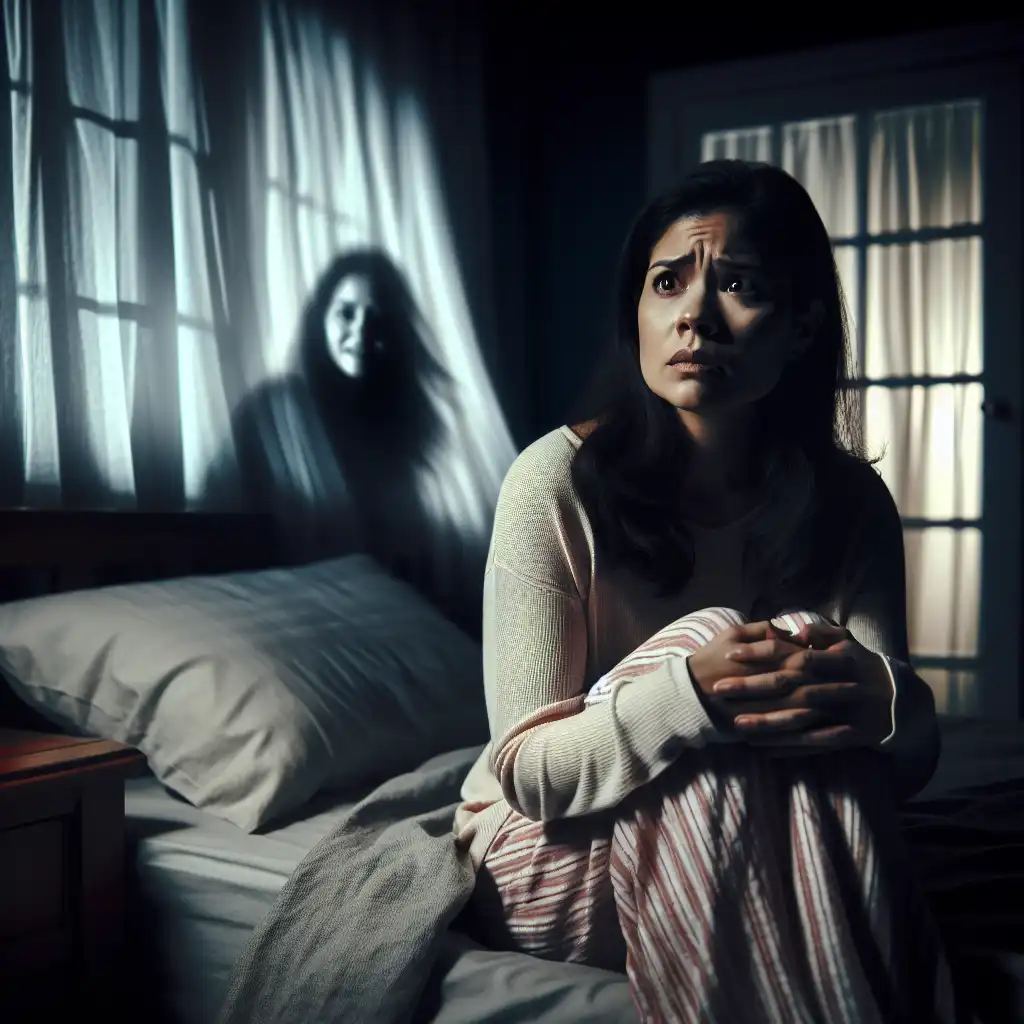
dɪsˈkwaɪət
Make someone worried or anxious
She was disquieted by the strange noises in the night.
No se pudo cargar el audio. Inténtalo de nuevo más tarde.
Disquiet is a word that means feeling uneasy or anxious about something. You can use this word to describe a sense of unease that you may have felt while watching a scary movie or waiting for important news. You might say, "There was a sense of disquiet in the room as we waited for the test results." It is often used to describe a feeling or emotion that is hard to put into words.
Agitation refers to a state of restlessness or excitement caused by anxiety, stress, or other strong emotions. It usually implies a physical or visible disturbance, like someone being fidgety or pacing back and forth.
Both words are applicable in situations where someone is feeling anxious or uncomfortable, but agitation suggests a more active or visible reaction, while disquiet is a quieter, more inward feeling.
Abrir palabra: Agitation →Anxiety is a feeling of worry, nervousness or unease about something that might happen in the future.
So, in short, anxiety is more about a general sense of worry about the future, while disquiet is specific unease about something happening in the present.
Abrir palabra: Anxiety →Apprehension is a feeling of fear or anxiety about something that might happen in the future, while disquiet is a feeling of unease or worry about something that is happening in the present.
Apprehension is more focused on future events and potential outcomes, while disquiet is more focused on current situations and feelings of unease.
Abrir palabra: Apprehension →Disturbance refers to an interruption or disruption of a peaceful or orderly situation.
It can refer to a physical commotion or noise, or to a disturbance of the natural environment. Disturbance is typically a more objective and external occurrence.
In practical terms, one might say that a noisy party next door is causing a disturbance, while the feeling of unease one gets from watching a horror movie is a disquiet.
Abrir palabra: Disturbance →Both disquiet and perturbation mean a feeling of anxiety, unease or disturbance, but disquiet usually refers to a mild sense of unease whereas perturbation has a more intense or disruptive connotation.
If someone is experiencing perturbation, they may be extremely disturbed, upset or agitated by something that is happening or something they are thinking about.
In terms of when each word is applicable, disquiet is often used to describe a general feeling of unease or discomfort that may be sustained over a longer period, while perturbation is typically used to describe a sudden or acute disturbance that can be more physical or emotional in nature.
For example, someone might feel disquiet about the state of the world, whereas someone experiencing perturbation might be reacting to a sudden, unexpected event.
Abrir palabra: Perturbation →Disquiet refers to a feeling of anxiety or unease that comes from within, while restless refers to the inability to remain still or calm due to a sense of agitation or boredom.
For example, someone who is disquieted may feel a sense of discomfort or worry without any external cause, while someone who is restless may feel an urge to move around or engage in activities because they are bored or cannot sit still.
Disquiet describes emotional or mental turmoil, while restless describes physical restlessness or a lack of contentment.
Abrir palabra: Restless →Tension refers to a state of strained relations or heightened emotions between people or groups. It is commonly used to describe a situation where there is a lot of pressure or conflict between two parties.
For example, if there is tension between two countries with opposing political views, it might lead to serious conflicts and potential war.
Disquiet refers to an uneasy feeling while tension refers to a state of strained relations or emotions. Both words are applicable in different situations depending on the context.
Abrir palabra: Tension →Both disquiet and uneasy refer to a feeling of discomfort or anxiety, but there is a subtle difference between the two.
Uneasy is a more general feeling of discomfort or unease that is not necessarily tied to any specific cause. You might feel uneasy in a situation where you feel threatened or unsure, even if there is no clear danger.
To put it simply, disquiet is used when you feel disturbed or worried about something specific, while uneasy is used when you feel generally uncomfortable or uncertain without a clear cause.
Abrir palabra: Uneasy →Sleep is your superpower...
Ver en YouTube ↗It's somewhat disquieting that the same parents and educators who are horrified by the notion of child soldiers have bestowed upon 'The Hunger Games' a double mantle of critical praise and global bestsellerdom.
Safari Live - Day 222 %\PIPE%...
Ver en YouTube ↗We're all born storytellers. It's part of the species. But, more specifically, I suppose a particular combination of sensitivity and trauma made me a writer: an essential disquiet with reality, which required exploration through portrayal.
It's always fascinating - and sometimes a little disquieting - when two first-rate critics violently disagree.
Does the novel have to deepen the psychology of its heroes? Certainly the modern novel does, but the ancient legends did not do the same. Oedipus' psychology was deduced by Aeschylus or Freud, but the character is simply there, fixed in a pure and terribly disquieting state.
I remember, as a child, the confusion of not knowing what this place was where I was supposed to spend the night: it's a disquieting experience for a child. And what I would do was quickly unpack my books and go back to a book I knew well and make sure the same text and the same illustrations were there.
The disquieting news of Danny Villanueva's death brought back memories of our time together at KNBC in the early 1970s.
When I left Europe in 1987 I did so with the thought that my relevance as a composition teacher would benefit from a certain cool distance to certain tendencies I had been observing for several years with increasing disquiet.
The collapse of the Tower of Babel is perhaps the central urban myth. It is certainly the most disquieting. In Babylon, the great city that fascinated and horrified the Biblical writers, people of different races and languages, drawn together in pursuit of wealth, tried for the first time to live together - and failed.
Hindered by asthma since I was six weeks old, I had begun experimenting with my diet and discovered a disquieting correlation. When I stopped eating the normal American diet of sugar, fats, alcohol, chemicals, and additives, I felt better. I could breathe freely. When I tried to sneak in a hamburger and a Coke, my body rebelled.