
repertory
noun repertory
ˈrepərtɔːri
A store or collection of music plays or films available for performance or showing
The theater company's repertory includes a large number of Shakespeare's plays
repertory
ˈrepərtɔːri
Đang tải…
ˈrepərtɔːri
A store or collection of music plays or films available for performance or showing
The theater company's repertory includes a large number of Shakespeare's plays
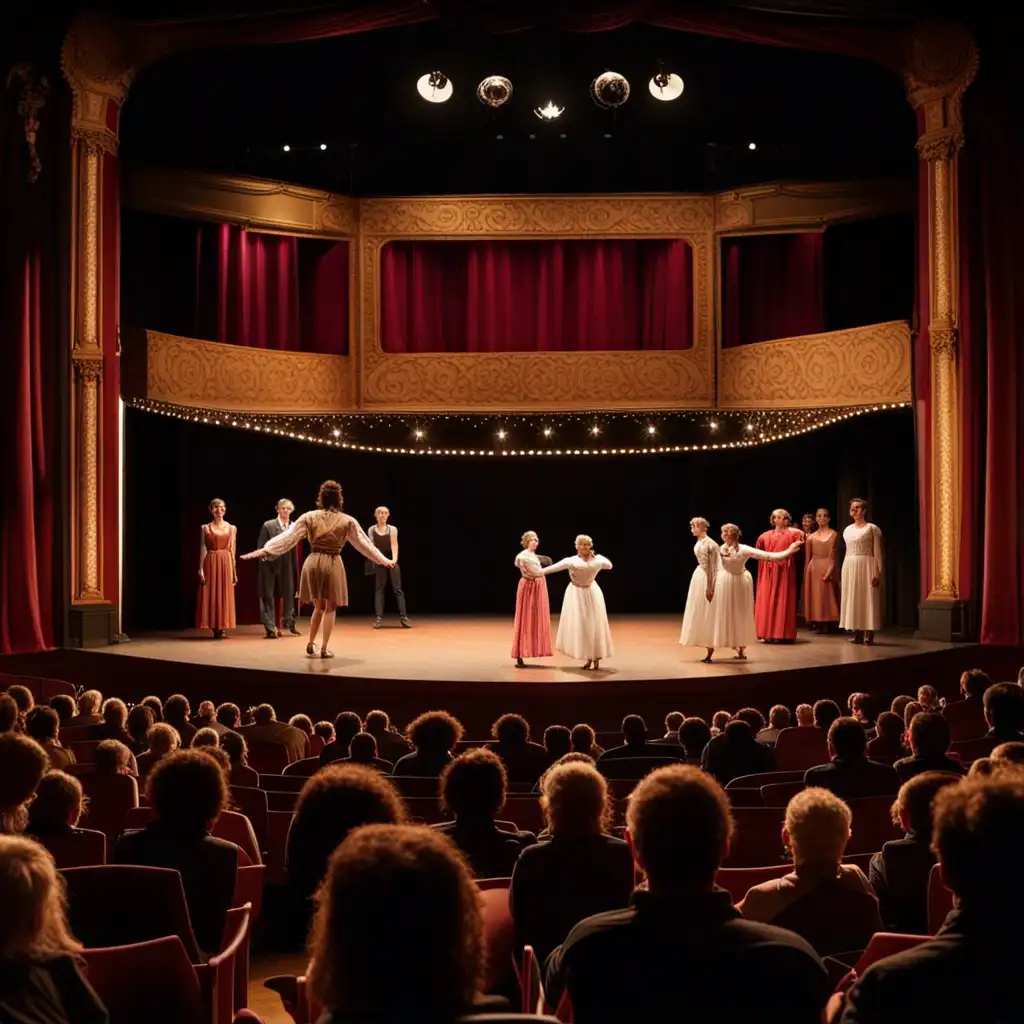
ˈrepərtɔːri
The performance of various plays, operas, or ballets by a company at regular short intervals
We enjoyed a weekend of repertory at the local theater
Không tải được âm thanh. Vui lòng thử lại sau.
As an English learner, the word "repertory" is often used in the context of describing a collection or stock of something. It can refer to a collection of works, such as plays or musical pieces, that are regularly performed by a particular group or organization, or it can refer to a collection of skills, knowledge or information that someone has. For example, a pianist may have a repertory of classical music pieces, or an actor may have a repertory of roles that they have played. In everyday conversation, the word is not commonly used, but may be encountered in more specialized contexts such as music or theater.
Archive refers to a collection of historical documents, records, or other materials that are organized and kept for future reference.
An archive is typically used to preserve information for research purposes.
An archive is a collection of historical documents or records, while a repertory is a collection of plays or performances that a theater company or individual actor is prepared to present.
Mở từ: Archive →Arsenal and repertory are both words that describe collections or supplies of something, but they are used in different contexts.
An arsenal refers to a collection of weapons or military equipment.
So, while an arsenal is used in military contexts to describe a collection of weapons, repertory is used in performing arts contexts to describe a collection of plays or performances that are available to be performed.
Mở từ: Arsenal →A cache usually refers to a hiding place for valuable or useful things, such as weapons or food.
It can also refer to a stored version of a website or application that is used to speed up access. For example, a hiker might hide a cache of food and water along their route in case of an emergency.
A cache is a hidden stash of items, while a repertory is a collection of things that are on public display or use.
Mở từ: Cache →Catalogue refers to a list of items arranged systematically for reference, while repertory refers to a list of performances or plays that are regularly performed by a company or theatre.
A catalogue is applicable in the context of books, products, or goods that need to be systematically listed for reference or order, while a repertory is applicable in the context of theatre, dance or music performances where a predefined set of productions are performed regularly.
Mở từ: Catalogue →A collection means a group of things that are gathered together, usually because they are similar in some way, while repertory means a collection of things, such as plays, songs, or dances, that is performed regularly by a group of actors, singers, or dancers.
For example, a collection of books would be a group of books that have been brought together due to common characteristics, such as from the same author, genre or topic.
In simpler terms, a collection is a group of things gathered together, while a repertory is a particular set of things that are performed or presented regularly.
Mở từ: Collection →A compendium is a collection of concise information or a summary of a larger work.
It is used when you need a quick reference guide or a brief overview of a subject. For example, a science student may use a compendium to review important scientific concepts before an exam.
The key difference between these two words is that a compendium is used for quick reference or review of information, while a repertory is used for access to a collection of works.
Mở từ: Compendium →Inventory and repertory are two different words used in different contexts.
Inventory refers to a detailed list or record of all the items or goods (such as products, supplies, or equipment) that a company, store, or individual possesses.
It is used to keep track of what is available or what needs to be restocked. For example, a grocery store would have an inventory list of all the products available for sale, including the quantity and location of each item in the store.
Inventory is a list of things that are available for use or sale, while repertory is a collection of things that are available for performance or presentation.
Mở từ: Inventory →Repository refers to a place or container where things are stored, often in a systematic or organized way. For example, a museum might have a repository where they keep artifacts that are not currently on display.
Repertory refers to a collection or system of things, while repository refers to a place where things are stored.
Mở từ: Repository →Steven Pinker: Human...
Xem trên YouTube ↗The one thing you can ask, I think, is that actors get paid a living wage. I would like it if all the repertory theatres that currently exist could do that. It would make a huge difference.
It's important that we have the traditional operas and the repertory, but we should also have something new.
The sage belongs to the same obsolete repertory as the virtuous maiden and the enlightened monarch.
But a large symphony orchestra basically is a repertory company and it has a very enormous repertoire and it is important for the performers to be able to know how to shift focus so that they instantly become part of the sound world that a particular repertoire demands.
With repertory, you had to play all these different characters. The range of roles is really what I fell in love with, every night getting to become somebody different. That was my idea of acting, getting to be part of the company and a family.
I spent two years in the military service, then I trudged around in repertory for quite a while. I somehow wound up at the National Theatre, though, and then I was definitely on my way.
We all need strategies for facing unknown repertory.
It was a better time to be a young actor when I started out. There was a repertory system where you could go and practise.
I went to a lot of theatre schools, got a lot of training, did a lot of repertory where you do a different play every night. I took a lot of voice, movement, and acting classes.
I was quite a plain boy. I stayed in work and eeked out a living, bit parts on TV, walk-ons in films, repertory companies.