spongy
adjective spongy
ˈspʌndʒi
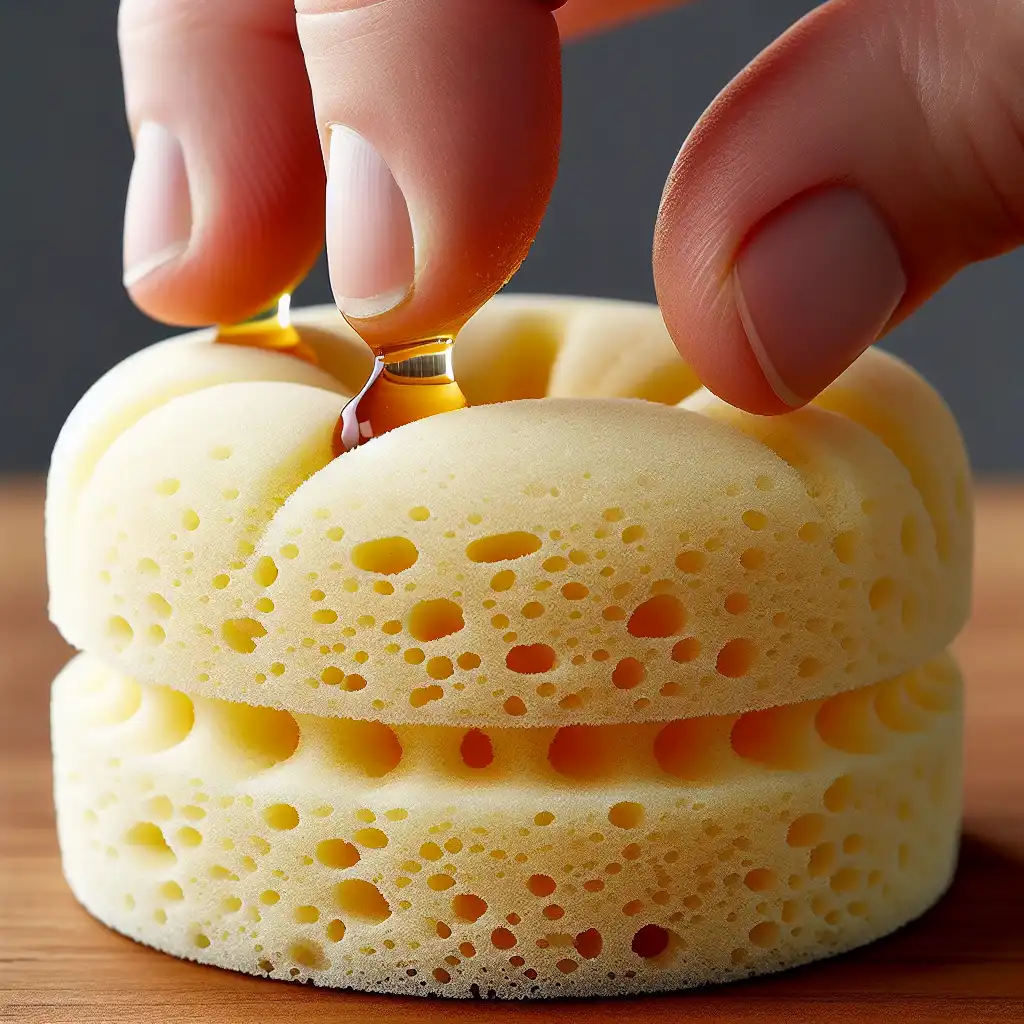
Something that is soft and able to soak up liquid easily, like a sponge.
The cake has a delightful spongy texture.
spongy
ˈspʌndʒi
Chargement…
ˈspʌndʒi
Something that is soft and able to soak up liquid easily, like a sponge.
The cake has a delightful spongy texture.
ˈspʌndʒi
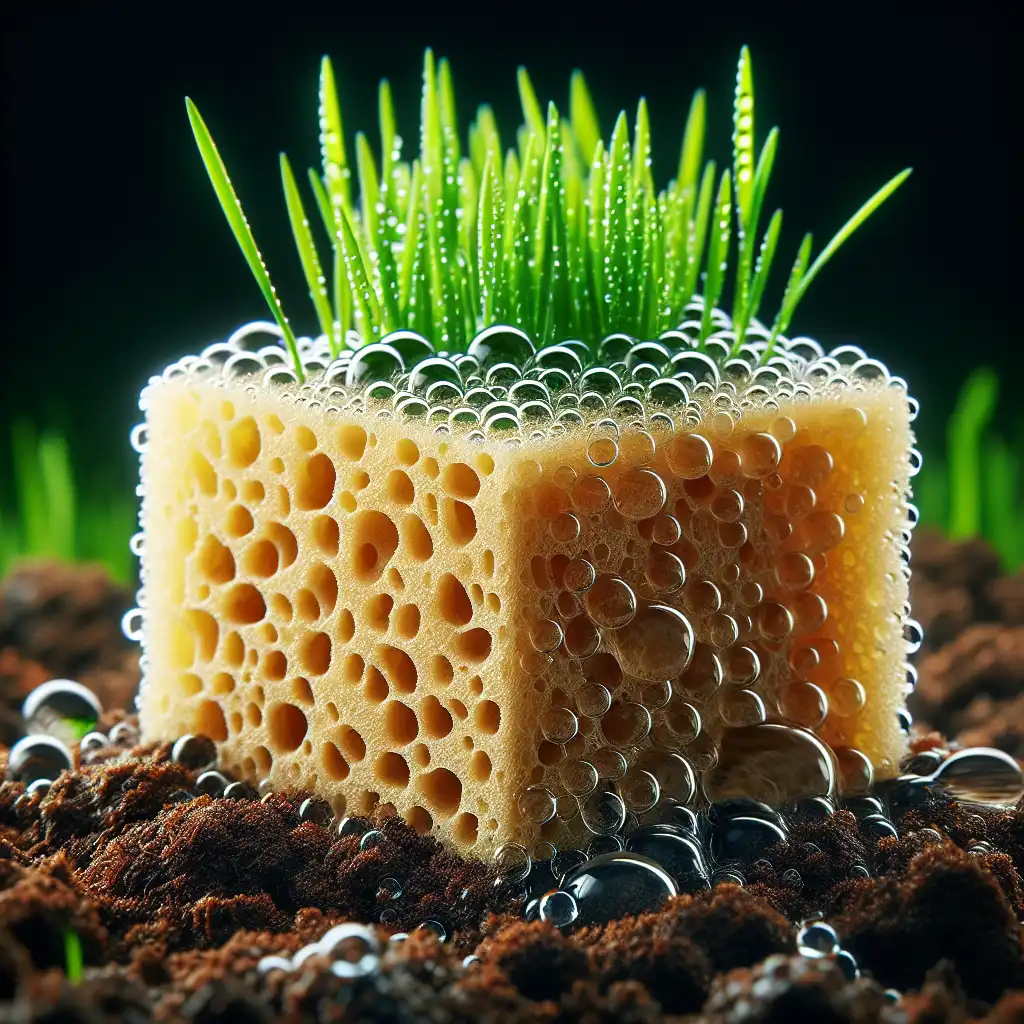
When a substance is full of holes.
The spongy ground soaked up the rainwater quickly.
ˈspʌndʒi
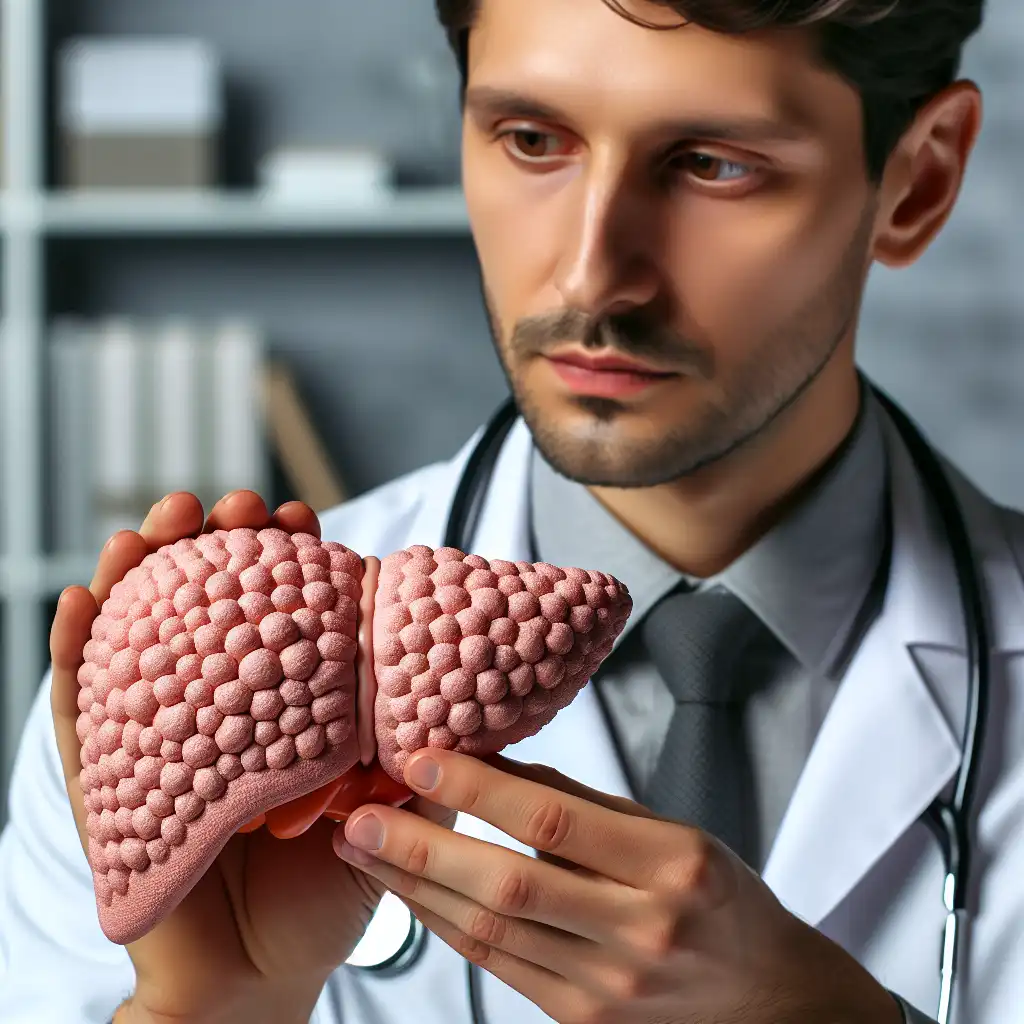
In medicine, if a part of the body feels spongy, it means it is swollen and soft.
The doctor noted that the patient's liver felt spongy.
Impossible de charger l’audio. Réessayez plus tard.
The word 'spongy' is used to describe something that is soft, springy, and has small holes or spaces in it like a sponge. You might describe a wet sponge as spongy, or the texture of a loaf of bread or a sponge cake. It can also be used to describe a surface or material that feels like sponge, such as a mattress or a shoe insole. In general, 'spongy' refers to something that is yielding, absorbent, or cushioned, and has a slight bounce or give.
Absorbent means something is able to soak up and retain liquid or moisture.
It is used when you want to describe something that can take in a liquid and retain it within itself. For example, a sponge is absorbent as it can retain water.
Absorbent describes the ability to retain liquid, while spongy relates to a soft and springy texture that can be compressed easily.
Ouvrir le mot: Absorbent →Bouncy usually describes a surface or object that is firm and elastic, causing objects to bounce or rebound off of it.
For example, a basketball is bouncy because it can easily bounce off the ground.
Bouncy is more applicable when describing things that are meant to bounce or rebound, while spongy is more applicable when describing things that are meant to absorb or be pressed down on.
Ouvrir le mot: Bouncy →Elastic refers to something that can stretch and then return to its original shape, like a rubber band, while spongy refers to something that is soft and bouncy, like a sponge.
Elasticity is something that helps things return to their original shape after being stretched, while something spongy is often used to absorb and distribute pressure or impact.
Elasticity is important in many materials like clothing or bungee cords, while you might find spongy materials in things like mattresses or bike helmets.
Ouvrir le mot: Elastic →Both fluffy and spongy describe something that is soft and airy, but they have slightly different meanings.
Fluffy describes something that is light and airy, like a pillow or a piece of cake.
It can also describe something that is soft and looks like it has been puffed up, such as a fluffy white cloud or a fluffy cat.
So, while both words describe something soft, fluffy is more about lightness and airiness, while spongy is more about springiness and absorbency.
Ouvrir le mot: Fluffy →Pliable means that something can be easily bent, shaped, or molded without breaking. It is applicable to things such as clay, rubber, or fabrics that can be easily reshaped or folded without being damaged.
Spongy things can still be molded or shaped, but they may not hold their shape as well as something that is more pliable.
Ouvrir le mot: Pliable →Porous refers to a material having tiny holes or spaces that allow liquids or gases to pass through. For example, a sponge is porous and allows water to be absorbed.
Spongy refers to something that is soft, springy, and full of air pockets or pores. For example, a foam mattress is spongy because it is soft and filled with air pockets, but it may not be porous because it may not allow liquids or gases to pass through easily.
Porous is more applicable when talking about the ability of a material to allow liquids or gases to pass through it, while spongy is more applicable when talking about the texture or feel of a material.
Ouvrir le mot: Porous →Soft typically means something that is yielding, gentle, or easy to touch. For example, a soft pillow is comfortable to rest your head on, or a soft blanket does not scratch or irritate your skin.
Soft can also describe food that is easy to chew, such as a soft cake.
Soft is often used to describe the texture or feel of something, whereas spongy refers to a more specific quality of being able to absorb or bounce back.
Ouvrir le mot: Soft →The main difference between spongy and squishy is their texture. Spongy describes something that is soft, springy and able to absorb moisture or pressure.
Squishy describes something that is soft and wet, but also a bit malleable and easy to deform. Examples can be mud or jelly.
Spongy describes something that's soft but also resilient while squishy describes something that's soft and easily deformable.
Ouvrir le mot: Squishy →Not terribly interesting. But what she smells that's a totally different story. And it begins at her wonderfully developed nose. As your dog catches the first hints of fresh air, her nose's moist spongy outside helps capture any scents the breeze carries.
Voir sur YouTube ↗To me a lush carpet of pine needles or spongy grass is more welcome than the most luxurious Persian rug.
And in these cavities these micro-cavities form, and as they fuse soils they absorb water. These are little wells. And inside these wells then microbial communities begin to form. And so the spongy soil not only resists erosion, but sets up a microbial universe
Voir sur YouTube ↗causes that wood inside to form a spongy material which i think is quite nutritious but that's basically wood that's basically cellulose and cellulose is extremely difficult for any animal to digest unless it has got cellulase in its gut or bacteria to help it digest
Voir sur YouTube ↗In both cases the resulting substance can be used to make spongy foods like tofu or filtered to produce soymilk. And at the industrial scale, these proteins can be used in various ways to help make processed foods.
Voir sur YouTube ↗Bone actually has three layers. On the outside there's the periosteum, a tough membrane that covers and protects. Next there's a thick layer of compact bone, the white hard smooth part that most people are familiar with. But inside there is spongy or trabecular bone, and an inner core filled with bone marrow,
Voir sur YouTube ↗called bronchioles. It's tempting to think of the lungs as huge balloons, but instead of being hollow they're actually spongy inside, with the bronchioles running throughout the parenchyma tissue. At the end of each bronchiole is a little air sack called an alveolus,
Voir sur YouTube ↗Bone-forming cells replace the cartilage with a spongy mineral lattice made of elements like calcium and phosphate. This lattice gets harder as osteoblasts, which are specialized bone-forming cells, deposit more mineral giving bones their strength.
Voir sur YouTube ↗So the wheels that look like they are one monolithic structure of aluminum, they are not. They are about seven sheets of paper of aluminum on the outside shell. But in the middle it's titanium and the titanium is there to give us sort of a spongy flexer feel. You are going to see us doing some testing.
Voir sur YouTube ↗So that's what I do. So if you cut open a little dinosaur, it's very spongy inside like A. And if you cut into an older dinosaur it's very massive.
Voir sur YouTube ↗is called regenerative medicine. For example scientists currently use stem cells to treat patients with blood diseases such as leukemia. Leukemia is a form of cancer that affects your bone marrow. Bone marrow is the spongy tissue inside your bones
Voir sur YouTube ↗