gastronomic
adjective gastronomic
ˌɡæstrəˈnɑːmɪk
Related to the art and science of good eating
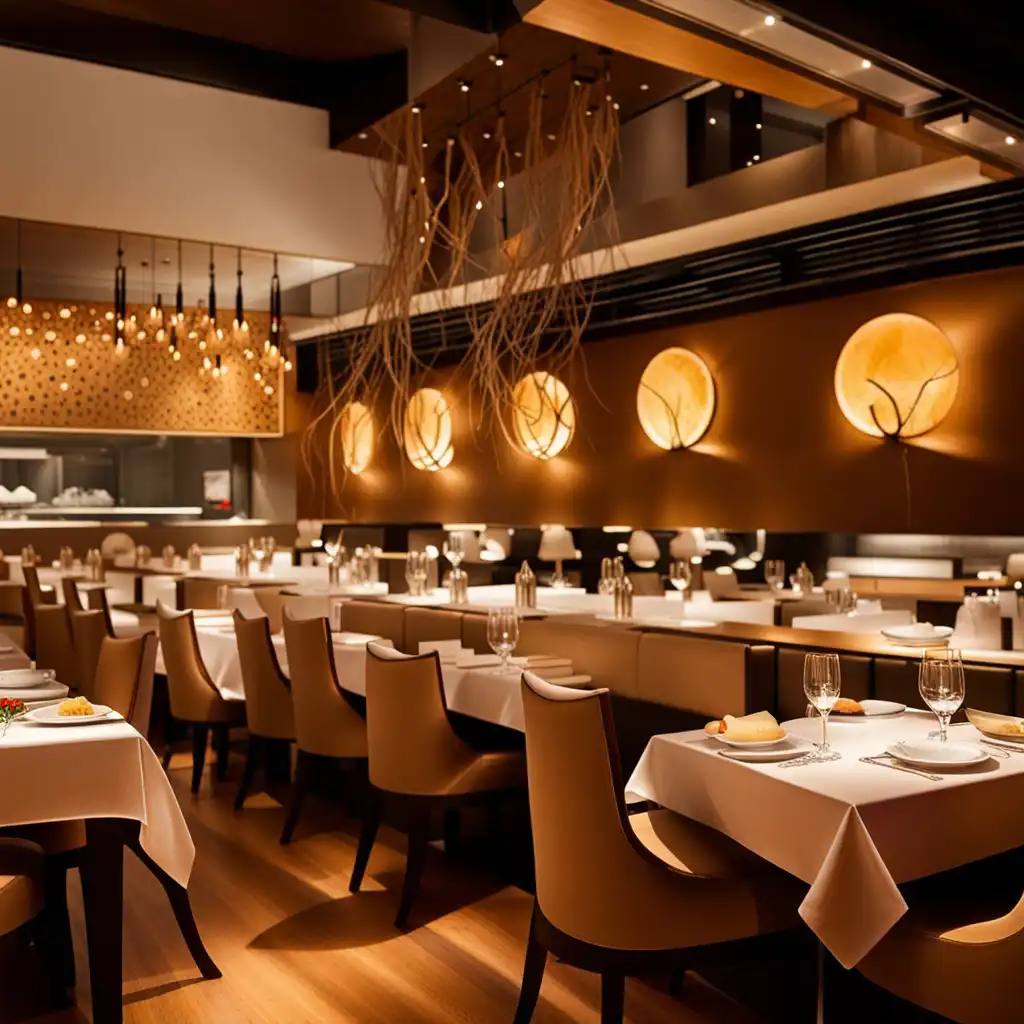
The restaurant is famous for its gastronomic delights, which attract food lovers from all over the world.
gastronomic
ˌɡæstrəˈnɑːmɪk
Loading…
ˌɡæstrəˈnɑːmɪk
Related to the art and science of good eating
The restaurant is famous for its gastronomic delights, which attract food lovers from all over the world.
ˌɡæstrəˈnɑːmɪk
Involving or related to the consumption of food
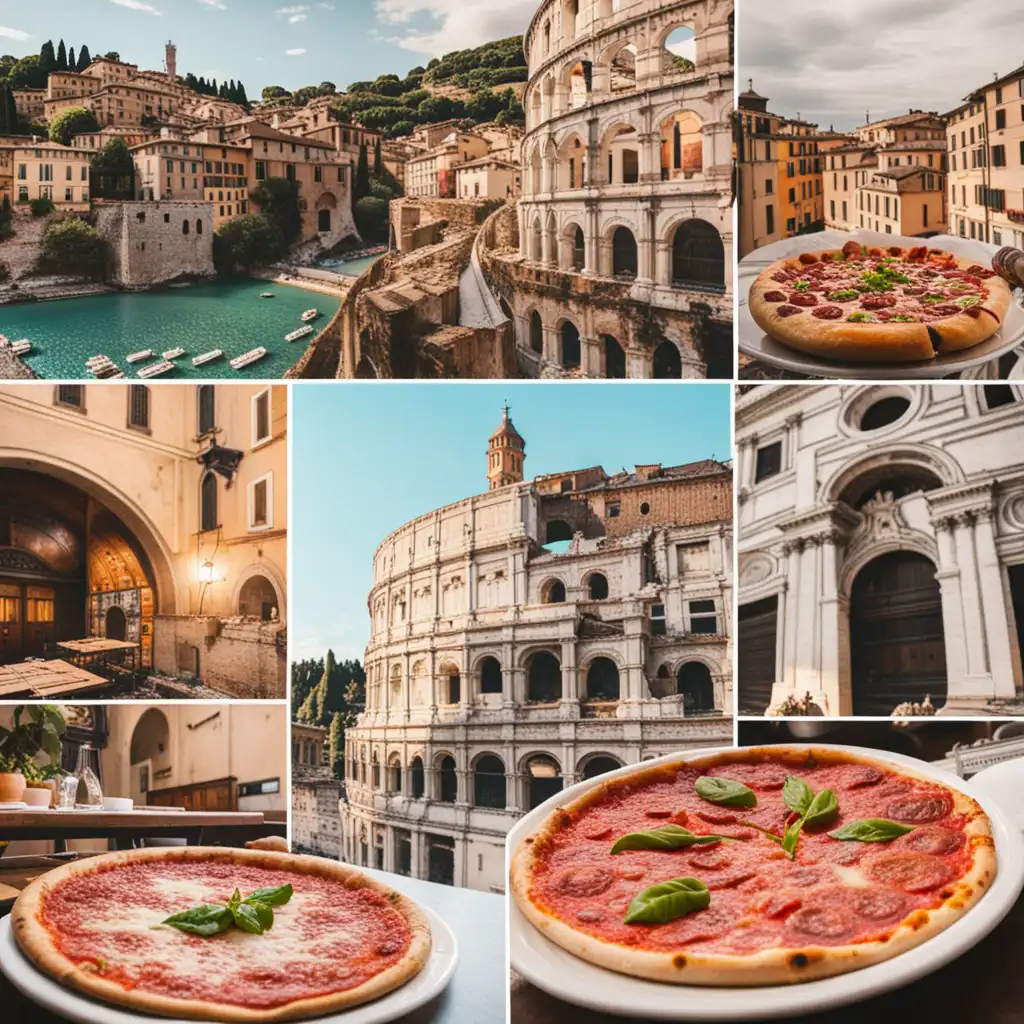
Our gastronomic journey across Italy was a tasty affair full of pizza, pasta, and gelato.
Audio could not be loaded. Please try again later.
The word 'gastronomic' is used to describe anything related to cooking or food. It is often used to talk about high-quality, elaborate or fancy food, such as when describing a fine dining restaurant or a gourmet meal. For example, you might say "The restaurant was famous for its gastronomic delights," meaning that the food was exceptional and of a very high standard.
Appetizing describes food that looks or smells good and makes you want to eat it. It is about the attractiveness of the food to the senses.
For example, a photo of a pizza might look appetizing because of the melted cheese and pepperoni on top.
Appetizing is about the appeal of the food to the senses, while gastronomic is about the quality and complexity of the food itself.
Open word: Appetizing →Both culinary and gastronomic are used to refer to food, cooking, and eating experiences.
However, culinary has a more basic meaning and refers to the act of cooking or preparing food, while gastronomic has to do with the art of cooking, with an emphasis on how flavors and textures work together.
For example, a chef might describe themselves as having "culinary skills," while a food critic might use the word gastronomic to describe a particularly memorable meal.
Culinary is used in more everyday contexts, while gastronomic is more often associated with fine dining and gourmet experiences.
Open word: Culinary →Delectable describes something that is delicious, enjoyable, and pleasurable to eat or drink. It focuses on the taste and sensory experience of the food.
Delectable describes the taste of food, while gastronomic relates to the study and appreciation of food.
Open word: Delectable →Delicious refers to the taste and enjoyment of food or drink, while gastronomic refers to the overall culinary experience, including the preparation, presentation, and quality of ingredients.
Delicious can describe a specific dish or ingredient that has a pleasing taste. For example, "This chocolate cake is delicious.".
Delicious is a simpler term that describes the taste of food, while gastronomic is a more complex term that describes the overall culinary experience.
Open word: Delicious →Both epicurean and gastronomic refer to food and eating, but they have slightly different meanings.
Epicurean refers more to the enjoyment of food and drink as a form of pleasure, rather than simply nourishment. An epicurean might enjoy trying new and exotic foods, savoring flavorful dishes, and appreciating the artistry that goes into cooking.
Epicurean is more about personal enjoyment and pleasure, while gastronomic is more about the intellectual and academic side of food appreciation.
Open word: Epicurean →Foodie is a casual term used to describe someone who loves food and often seeks out new, unique or trendy food experiences.
Open word: Foodie →The words gastronomic and gourmet both relate to food, but they have somewhat different meanings.
Gourmet generally refers to the quality and refinement of food itself. It describes food that is high quality, carefully prepared, and often expensive.
So, in short, gastronomic is more related to the process and technique of cooking, while gourmet is more focused on the quality and refinement of food itself.
Open word: Gourmet →Savoury refers to food that is salty, spicy, or pungent, as opposed to sweet or dessert-like.
Gastronomic is more related to the art and science of cooking, while savoury refers to the taste and flavour of food.
Open word: Savoury →Big-Ass Rocket %\PIPE% Rocket...
Watch on YouTube ↗Americans don't have deep gastronomic roots. They wanted to get away from the cultures of Europe or wherever they came from. We stirred up that melting pot pretty quickly.
Jeremy Jackson: How we...
Watch on YouTube ↗Cheese steaks are the gastronomic icons of this ethnic city.
The story of the manioc...
Watch on YouTube ↗People are bored of these 12-course gastronomic menus. They want affordable glamour.
In theory, food writing is an aid or a prelude to actual meals: you read a recipe, and then you cook. In practice - in a 'paradox' that Michael Pollan, among others, has identified - our current gastronomic fantasies, particularly on TV, have coincided with a decline in home cooking.
I simply believe food is too good to throw away - and Christmas leftovers can be a gastronomic opportunity for the well-skilled kitchen forager. With a little imagination, there are a million ways to use up leftovers rather than bin them.
In London, there is no need for 25 high-end gastronomic restaurants. That would be too much.
For many, the gastronomic heart of Italy is the Emilia-Romagna region. Its capital is Bologna, which is often overlooked by tourists but has a beautiful historic centre and a lively yet chilled-out atmosphere.
In America, there might be better gastronomic destinations than New Orleans, but there is no place more uniquely wonderful.
The most famous line in gastronomic history, 'Let them eat cake', turns out to have been an eighteenth-century cliche. According to Antonia Fraser, the French accused every foreign queen of saying it, beginning in 1670 with the wife of Louis XIV, Marie Theresa.