slough
noun slough
slʌfst,ˈslʌfɪŋ
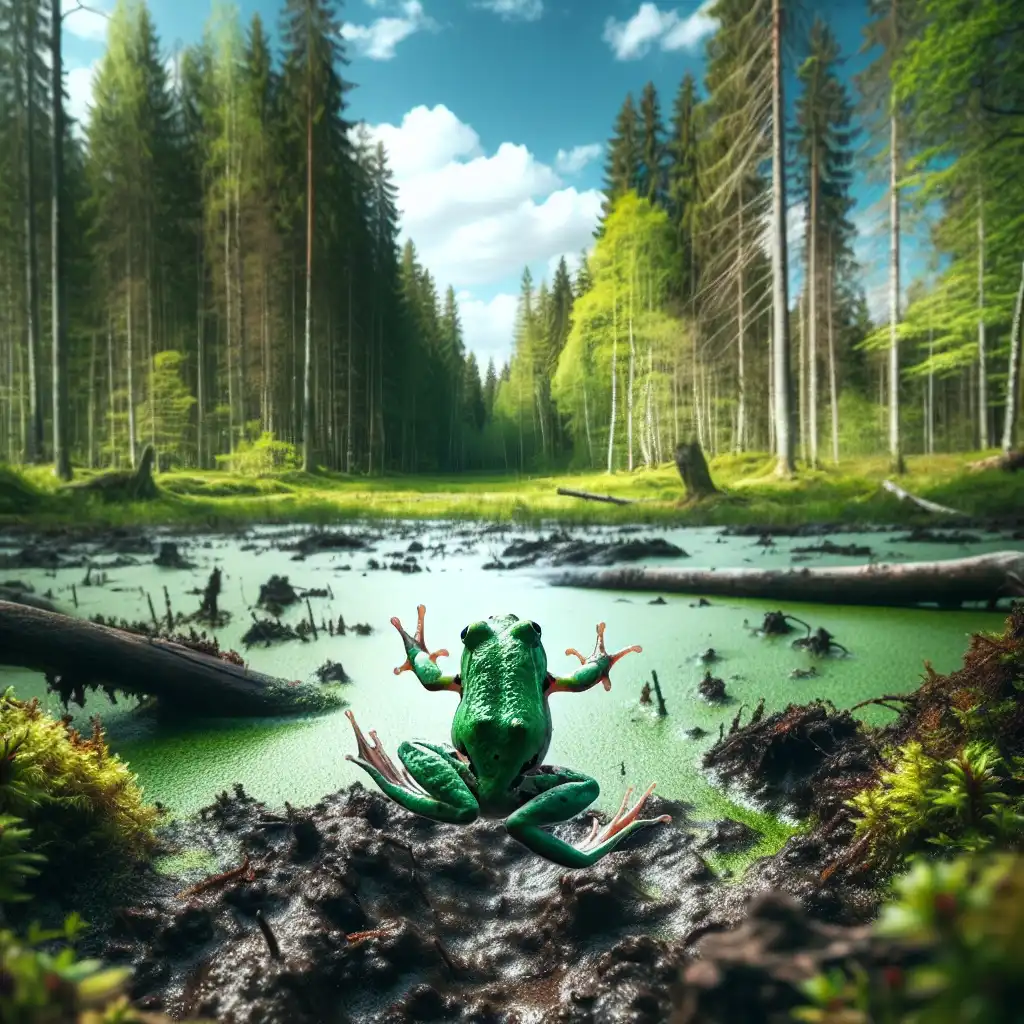
A swamp or muddy area
The frog hopped from the forest into the slough.
slough
slʌfst,ˈslʌfɪŋ
불러오는 중…
slʌfst,ˈslʌfɪŋ
A swamp or muddy area
The frog hopped from the forest into the slough.
slʌfst,ˈslʌfɪŋ
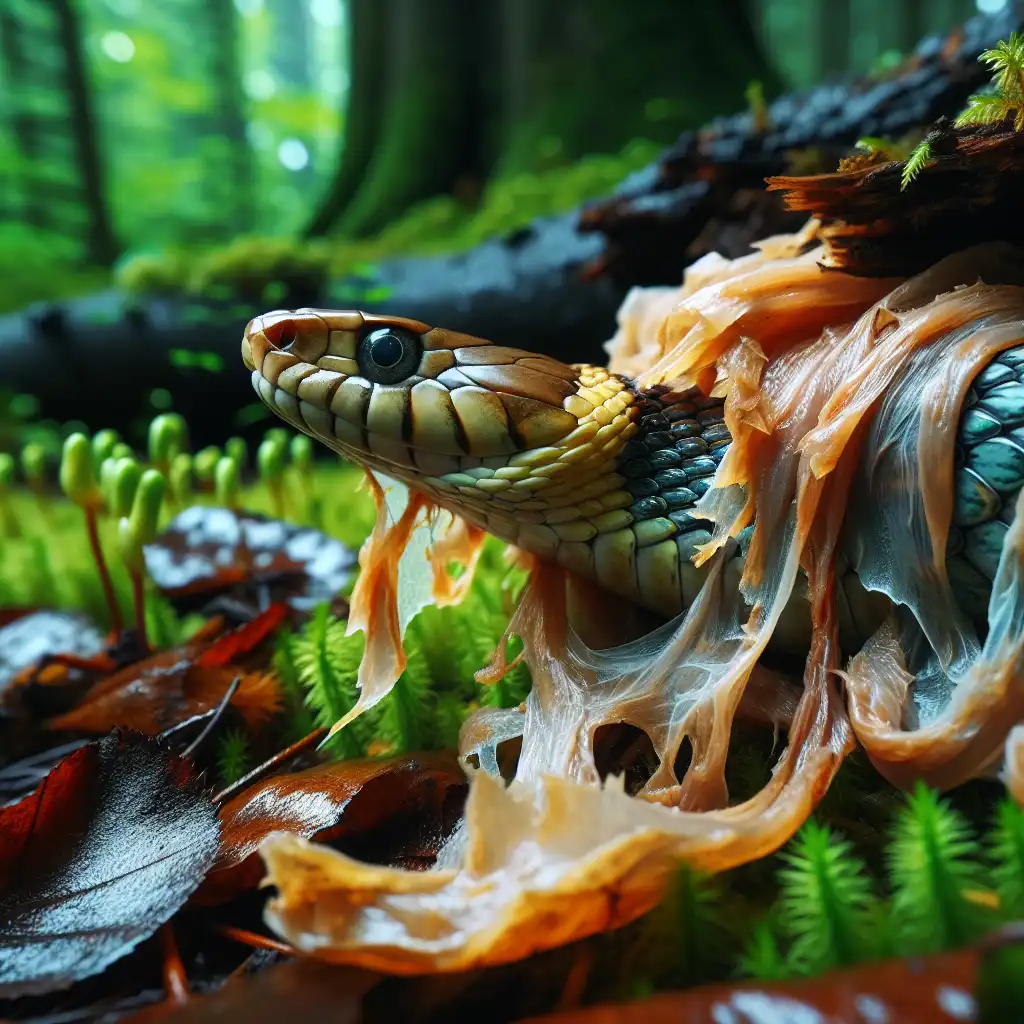
Skin that is shed by a reptile or amphibian
The snake left behind its slough after shedding.
slʌfst,ˈslʌfɪŋ
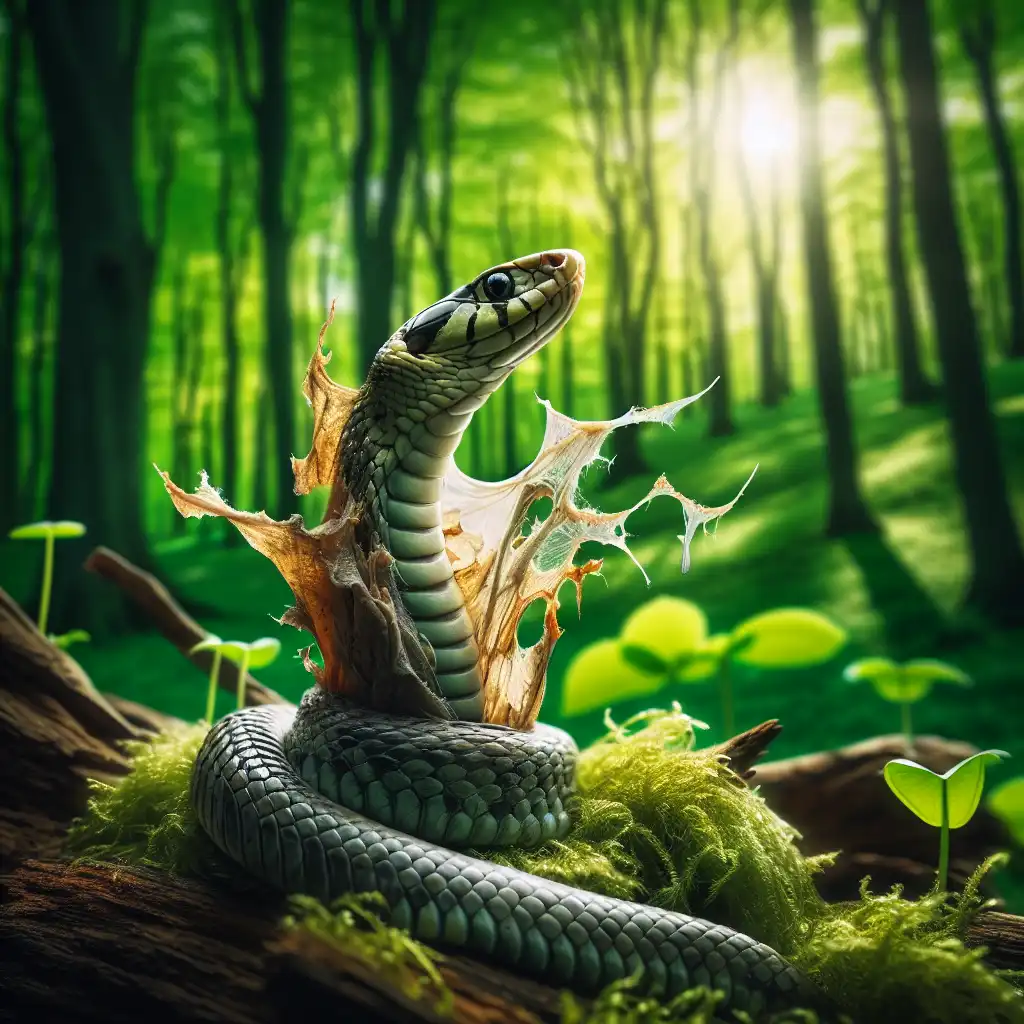
To shed or remove (a layer of skin)
As the snake grows, it sloughs off its old skin.

slʌfst,ˈslʌfɪŋ
To ignore or get rid of something unwanted
She decided to slough off her old habits and start fresh.

slʌfst,ˈslʌfɪŋ
A state of depression or negativity
He was stuck in a slough of despond after losing his job.
오디오를 불러오지 못했어요. 잠시 후 다시 시도해 주세요.
The word 'slough' has two meanings: 1. A swampy or marshy area - this is a place with wet or muddy ground. It can also refer to a muddy or swampy mass that is moved by water.Example sentence: There is a slough in the park where ducks like to swim.2. A shedding of skin - this refers to the process of an animal shedding its skin, such as a snake shedding its skin.Example sentence: Snakes shed their skin in a process called sloughing.It's important to understand the context in which the word 'slough' is being used so that you can use it correctly in conversation or writing.
Both bog and slough are wetland areas, but there are some differences between them.
A bog is a wetland that is usually covered in thick layers of moss or peat, which can make it difficult to walk on.
Bogs often have plants like sphagnum moss and are usually acidic. A slough is a wetland that is formed by a slow-moving stream or river.
In summary, bogs are typically characterized by thick layers of peat while sloughs are formed by slowly moving water.
단어 열기: Bog →Fen and slough are both words related to wetlands, but they have distinct meanings.
A fen is a type of wetland that is dominated by grasses, sedges, and reeds, and typically has alkaline soil. It is characterized by its high water table and is often found in low-lying areas such as marshes and swamps.
Fens are important ecosystems, providing habitat for many species of plants and animals.
It can be characterized by stagnant water and decomposing vegetation, and may have an unpleasant odor. Sloughs are less diverse than fens, and may contain standing water for prolonged periods of time, making them important breeding grounds for certain species of amphibians and insects.
A fen is a type of wetland dominated by grasses and has alkaline soil, while a slough is a muddy or swampy area with stagnant water and decomposing vegetation, which may be important as breeding grounds.
단어 열기: Fen →Marsh is a wetland area that is often covered in grass and other tall plants. It is generally found near fresh or saltwater and tends to be a place where a lot of vegetation is growing.
In summary, marshes are typically more stable and robust wetlands, while sloughs are often more transitional and subject to more change.
단어 열기: Marsh →Both mire and slough refer to soft, wet ground.
Mire usually describes wet ground that is thick and sticky, like mud or swamp.
Mire refers to thick, sticky wet ground, while a slough is loose, muddy, and organic.
단어 열기: Mire →Morass refers to a situation or place that is confusing, complicated or difficult to get out of.
단어 열기: Morass →Both quagmire and slough refer to areas of wet, soggy ground, but the two words have slightly different connotations.
A quagmire is an area of soft, wet ground that is difficult to traverse.
It can be muddy, boggy, or swampy, and usually implies a difficulty in moving through the area. For example, a soldier might find themselves stuck in a quagmire during a battle, unable to advance or retreat.
It can also refer to a depression or hollow in the ground that's filled with stagnant water. Sloughs are usually less difficult to navigate than quagmires, though they can still be challenging to cross.
Quagmire implies a difficult or treacherous situation, while slough refers to a wet or boggy area in general.
단어 열기: Quagmire →A swamp is an area of land that is always moist and consists of mainly trees, bushes, and tall grass.
Swamps can be found in low-lying areas close to rivers and oceans, with plenty of rainfall.
A swamp is characterized by its standing water and vegetation.
A slough is a wetland area that is characterized by shallow water and muck. Sloughs tend to be in flatter areas than swamps and often have lower water levels.
The main difference between a swamp and a slough is the depth of the water and the specific types of vegetation that grow in each area.
Swamps are typically deeper and are characterized by trees, bushes, and tall grass, while sloughs tend to be shallower and are characterized by muck, mud, and low-growing vegetation.
단어 열기: Swamp →A wetland is a broader term that includes a variety of ecosystems such as marshes, swamps, bogs, and fens. These areas are characterized by their abundant water and support a wide range of plant and animal species.
A slough is a specific type of wetland characterized by its muddy and swampy nature, while a wetland encompasses a wider range of ecosystems that are identified by their moist and water-rich environments.
단어 열기: Wetland →How did teeth evolve? -...
YouTube에서 보기 ↗Having children makes you see the world in a completely different way. When you're responsible for those little lives, you can't slough it off or forget about it until later.
Tiger Sharks vs. Turtles...
YouTube에서 보기 ↗It's often difficult to slough off all that we've acquired, all the comforts and safety nets modern life provides for us, and realize that in those days, people were living very much on the edge - life was incredibly hard!
Jae Rhim Lee: My...
YouTube에서 보기 ↗The first thing I think about when I wake up most mornings is the fact that I'm tired. I have been tired for decades. I am tired in the morning and I am tired while becalmed in the slough of the afternoon, and I am tired in the evening, except right when I try to go to sleep.
It is hard to rescue a man from the slough of luxury and idleness combined. If anything can do it, it is a cradle filled annually.
It is my art. I am better at it than I ever was. And I will do it as long as I can. When you reach a certain age you can slough off what is unnecessary and concentrate on what is. And why not?
Because you know how you say I've got to really get down and really do some training and then of course, you never do or you do it for a couple of weeks and slough it back off again but I'm being forced to do something that I really want to do and I loved it.