mucus
noun mucus
ˈmjuːkəs
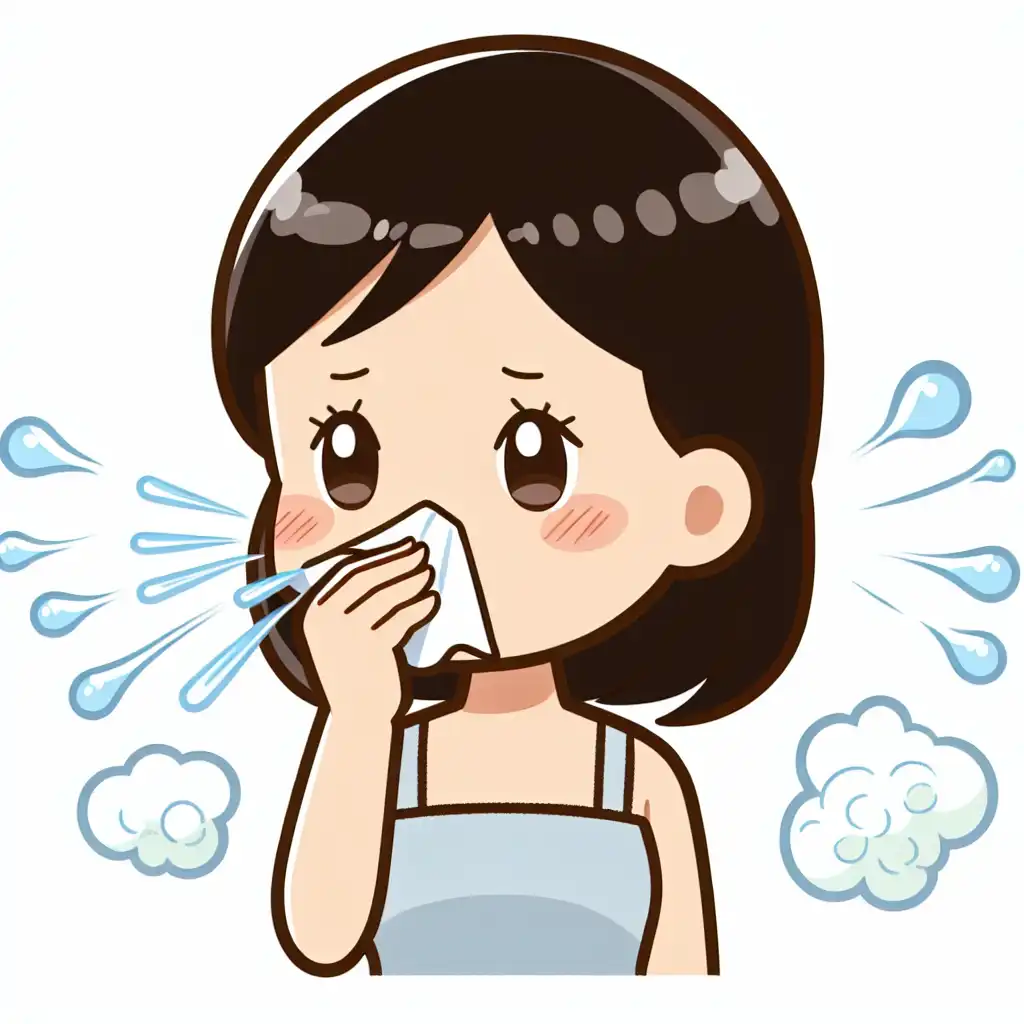
A sticky substance that your body makes in the nose and lungs to protect those areas
When you have a cold, your body produces more mucus
mucus
ˈmjuːkəs
불러오는 중…
ˈmjuːkəs
A sticky substance that your body makes in the nose and lungs to protect those areas
When you have a cold, your body produces more mucus
오디오를 불러오지 못했어요. 잠시 후 다시 시도해 주세요.
Mucus is a slimy, thick substance that your body makes. It is usually found in your nose and throat and helps to keep them moist and clean. You might use the word mucus when talking about being sick, as when you have a cold, you may have a runny nose and cough up mucus from your lungs. You might also use the word mucus when talking to a doctor or healthcare professional to describe any symptoms you are experiencing. It is important to understand the word mucus when talking about your health so that you can describe your symptoms accurately.
Excrete refers to the process of getting rid of waste products from the body, such as urine and feces. Mucus is a slippery and sticky substance that is produced in various parts of the body, including the respiratory and digestive tracts.
It helps to keep these areas moist and protect them from bacteria and other harmful substances. In short, excretion is related to waste while mucus is related to bodily protection.
단어 열기: Excrete →Mucus and phlegm are both substances produced by the body's respiratory system, but they differ in location and consistency.
Phlegm is a thicker and stickier substance that is produced deeper in the respiratory tract, such as the lungs.
Mucus is found in the upper respiratory tract and is typically clear or white, while phlegm is produced in the lower respiratory tract and is typically thicker and discolored.
단어 열기: Phlegm →Mucus is a type of secretion that is produced by specialized cells in the body called goblet cells. It is a slimy substance that is found in various parts of the body, including the respiratory tract, digestive system, and reproductive organs.
Secretion is a more general term that refers to any substance that is produced and released by cells in the body.
Secretions can have a variety of functions in the body, such as regulating bodily processes, aiding in digestion, and cooling the body down.
Mucus is a specific type of secretion that is slimy and found in various parts of the body, while secretion is a general term that refers to any substance produced and released by cells in the body.
단어 열기: Secretion →Mucus and sputum are both substances that are produced by the body, but they differ in where they are located and what they are composed of.
Sputum is a mixture of saliva, mucus, and other substances that is produced in the respiratory system, particularly in the lower airways.
Mucus is a protectant produced in the nasal passages, throat, and lungs, while sputum is a mixture of substances produced in the respiratory system, particularly in the lower airways, and is expelled during coughing.
단어 열기: Sputum →That's why they're known as mucus membranes. Mucus plays lots of roles in your body. It keeps delicate tissues from drying out and cracking, which would expose them to infection. It lubricates your eyes so you can blink. It protects your stomach lining from acid.
YouTube에서 보기 ↗I used to have terrible acne on my face: red, splotchy discoloration. And mucus - I was constantly blowing my nose. Then one day, this woman sits down next to me on a bus, and says, 'You're lactose-intolerant.' It all cleared up in three days. That changed my life. Doctors couldn't figure it out.
in healthy people. So it's helpful to think of poop as exactly what it is -- all the stuff that doesn't get digested in this process. It is water bacteria dead cells and mucus, all glommed together with fiber. Fiber is amazing. It affects the digestive tract from top to bottom.
YouTube에서 보기 ↗home to captivating creatures like speedy translucent worms jellyfish longer than a blue whale and one of my favorites the giant larvae ssin which makes its house out of mucus these are organisms with astounding adaptations to life in an extreme environment
YouTube에서 보기 ↗marine snow which is made up of particles mucus and dead bodies of other organisms right pretty delicious but mixing of the ocean the transport of these nutrients and elements that are necessary to sustain life is vitally
YouTube에서 보기 ↗grains of sand to their bodies with a mucus extruded from their skin these are all hardwired little predators they don't hesitate to take down prey
YouTube에서 보기 ↗It's important not to just blame certain foods for gas and bloating and then avoid them. You don't want to starve the bacteria that digest these complex carbohydrates, or they'll have to start eating the sugars in the mucus lining of your intestines. Your personal gas will vary based on what you eat, and what bacteria are in your gut.
YouTube에서 보기 ↗Right next to Iris is the mucus layer, which keeps the whole thing fastened to her. On top of it is the aqueous layer, which keeps Iris hydrated repels invasive bacteria, and protects her skin or cornea from damage. And finally there is the lipid layer,
YouTube에서 보기 ↗"Too little," on the other hand multiplies rarely and causes you little harm in the process. Although this leaves you healthy enough to interact with other potential hosts, the lack of symptoms means you may not sneeze at all, or if you do there may be too few viruses in your mucus to infect anyone else.
YouTube에서 보기 ↗Fortunately while Ebola is highly virulent, several factors limit its contagiousness. Unlike viruses that proliferate through small airborne particles, Ebola only exists in bodily fluids, such as saliva, blood, mucus, vomit, or feces. In order to spread,
YouTube에서 보기 ↗involving many different types of immune cells— some of which seem to protect the fetus from attack by other immune cells. The body also creates an antibacterial plug made of mucus on the cervix, which keeps germs away and stays sealed until labor. As a pregnancy progresses,
YouTube에서 보기 ↗