
swash
verb swash
swɑːʃ
To move with a splashing noise
As she ran, her rainboots swashed through the puddles.
swash
swɑːʃ
불러오는 중…
swɑːʃ
To move with a splashing noise
As she ran, her rainboots swashed through the puddles.
swɑːʃ
A noise of splashing or splattering
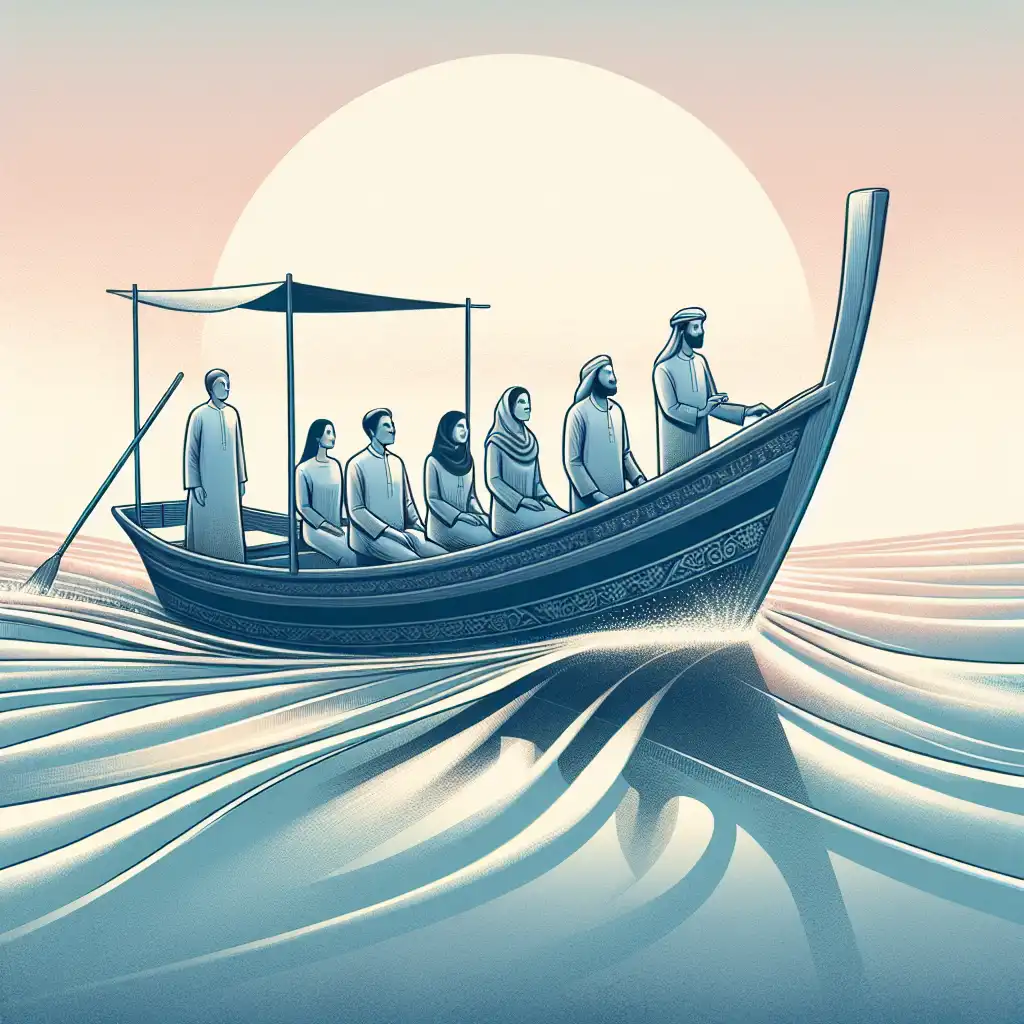
The melodious swash of water against the hull of the boat soothed everyone aboard.

swɑːʃ
A swaggering display or manner
He entered the room with a swash, confident and showy.

swɑːʃ
To swagger or flourish, often in a showy or ostentatious manner
At the party, he swashed about, trying to impress everyone with his stories.
오디오를 불러오지 못했어요. 잠시 후 다시 시도해 주세요.
'Swash' can be a verb or a noun, and it is used in the context of water or waves. As a verb, it means the movement of water over a surface, often producing a calming or rhythmic sound. For example, the waves swash against the shore. As a noun, it refers to the sound or movement of water, especially the sound of waves breaking or rolling in. For instance, the swash of the waves can be heard from the beach.
Lap is typically used to describe a gentle sound when liquid hits a surface, usually when a person or animal drinks from a bowl or when waves hit the shore.
Swash refers to a louder, more forceful sound that happens when waves crash against rocks or a boat. Lap is associated with a gentler sound and swash is associated with a stronger sound.
단어 열기: Lap →Paddle refers to a tool used to propel a boat or canoe through water.
Paddle is applicable when you are boating, kayaking or canoeing and need to move through water. Swash is applicable when you are at the beach and can hear the sound of waves breaking on the shore.
Paddle is a tool while swash is a sound.
단어 열기: Paddle →Ripple refers to small waves that occur when a surface is disturbed, such as when a pebble is thrown into a pond.
Ripple refers to small waves on a surface of water, while swash refers to the sound and movement of waves on a beach.
단어 열기: Ripple →Slosh refers to the sound made by liquid moving around or spilling.
It can also describe the action of walking heavily through a wet, muddy area. For example, when you hear a cup of water being spilled, that's sloshing.
Slosh refers to the sound and movement of liquid, while swash refers specifically to the sound and movement of water hitting the shore.
단어 열기: Slosh →Smack refers to a sharp sound when two objects collide, like when you hit your hand on a table.
It can also refer to the movement of water as it flows forwards and backwards. Smack is applicable to a sudden sound, while swash is applicable to a continuous sound or movement.
단어 열기: Smack →Splash means to make water or liquid scatter in all directions. For example, when you jump into a pool and water flies everywhere, you are splashing.
Splash applies when the liquid is being thrown around in different directions, while swash applies when it's just flowing back and forth.
단어 열기: Splash →Both surge and swash refer to the movement of water on the beach, but they describe different things.
Surge refers to the upward rush of water on the beach caused by large waves breaking offshore.
Surge can be dangerous, as it can drag swimmers and surfers out to sea.
Surge is a term used mostly in oceanography and is applicable in areas with rough wave conditions.
Surge is a strong upward movement of water caused by large waves breaking offshore, while swash is a gentle movement of water back down the beach after a wave has broken.
단어 열기: Surge →Wash refers to the action of cleaning something by using soap and water or wiping it down with a wet cloth. It is applicable in a wide range of situations such as washing dishes, laundry, cleaning surfaces, and personal hygiene.
Swash refers to the sound of water or waves moving back and forth on a shore or against the sides of a boat. It is normally used to describe the sound that is produced when water is hitting against something.
Wash relates to cleaning, while swash relates to the sound of water or waves hitting against something.
단어 열기: Wash →