sedition
noun sedition
sɪˈdɪʃn
Act of creating unrest or provoking against the government.
The government accused the rioters of sedition.
sedition
sɪˈdɪʃn
Đang tải…
sɪˈdɪʃn
Act of creating unrest or provoking against the government.
The government accused the rioters of sedition.
Không tải được âm thanh. Vui lòng thử lại sau.
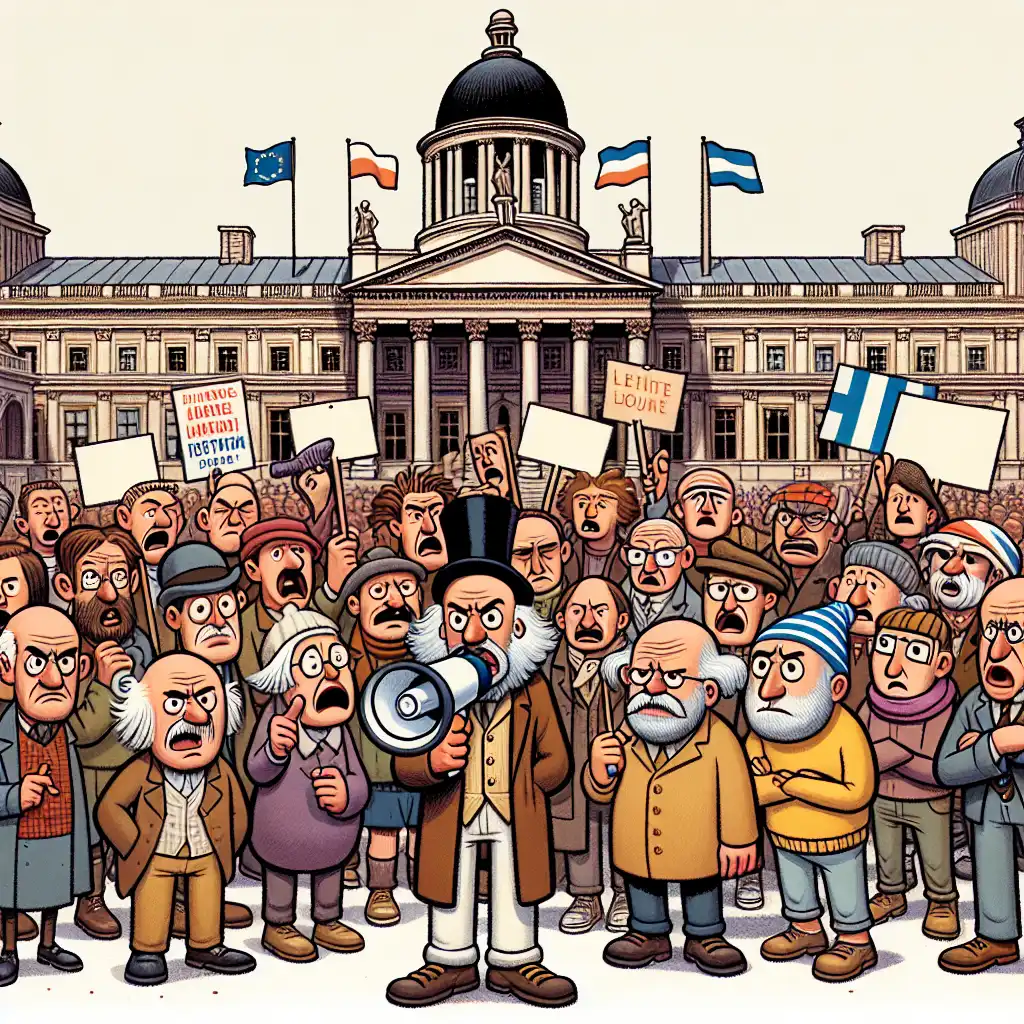
Sedition is a word that describes when someone tries to cause rebellion or overthrow the government of their country. It is considered a crime in many places because it can lead to violence and harm. The word is typically used in reference to people or groups who are actively trying to cause trouble and incite others to join them in their beliefs or actions. It is important to note that peaceful protests or criticism of the government are not considered sedition, but rather an important aspect of democracy.
A coup and sedition are both types of political unrest, but they differ in their nature and scope.
A coup is a sudden, violent overthrow of a government, usually by the military or other political leaders.
A coup is a violent overthrow of the government, while sedition involves non-violent activities to undermine and challenge the government's authority.
Mở từ: Coup →Dissent means having a different opinion or disagreement with a group or authority, but without any intention of undermining or overthrowing it.
Dissent is a lawful expression of a different opinion or criticism, while sedition is an unlawful attempt to overthrow or disrupt a government.
Mở từ: Dissent →Insurrection refers to a violent uprising against the government or authority, usually involving a large number of people.
In essence, insurrection is the act of physically rebelling against the government, while sedition is the act of inciting others to rebel against the government.
Both terms are applicable in situations of political unrest, but insurrection is used more commonly when referring to violent uprisings, while sedition is used more commonly when referring to speech or acts that encourage rebellion.
Mở từ: Insurrection →Mutiny is a term used to describe when soldiers, sailors or other members of a group rebel against their commanders, officers or leaders.
It can involve speech, writing, or other forms of communication intended to inspire opposition to the authority. So, while mutiny happens within a group, sedition is a broader term used to describe actions that seek to inspire revolt against an established authority.
Mở từ: Mutiny →Rebellion refers to an act of resistance or defiance against a government or authority, whereas sedition involves inciting people to rebel against the government.
Rebellion is generally seen as an overt act of defiance, such as staging a protest or a revolt, while sedition is usually viewed as more covert behavior like spreading propaganda, misinformation or fomenting unrest.
Rebellion is applicable in situations where people are taking a stand against an oppressive or unjust government or authority, while sedition typically applies to people who are trying to destabilize a government or undermine its authority by spreading propaganda or inciting violence.
Mở từ: Rebellion →Revolt refers to a rebellion or uprising against authority or government.
In simpler terms, revolt involves physically opposing the government or authority, while sedition involves speaking or writing against the government or authority.
While revolt is more direct and immediate, sedition is a more subtle or indirect way of challenging the government, often through propaganda or spreading of discontent.
Mở từ: Revolt →Sedition and subversion are words that refer to actions that seek to overthrow or undermine a government or authority.
Subversion refers to the broader set of activities designed to overthrow or undermine an established authority, including covert or underhanded methods.
For example, attempting to infiltrate a government or institution and weakening it from within would be considered subversion.
Sedition applies to speech and actions that incite rebellion, while subversion encompasses a wider range of activities aimed at undermining an authority.
Mở từ: Subversion →Sedition and treason are both crimes related to the undermining of a government's authority, but there are some differences between them.
Treason refers to actions taken against one's own country, typically involving espionage or aiding an enemy during war.
Treason is a more serious offense than sedition and often carries harsher penalties, including the possibility of death.
Sedition is speaking out against the government, while treason is taking actions against the country. Both are serious crimes that can have severe consequences, but they apply to different kinds of behavior.
Mở từ: Treason →Sedition refers to speech or actions that incite rebellion against the government or authority figure, while an uprising is a violent or non-violent revolt against the government or authority figure.
Sedition is typically used in reference to verbal or written expressions of dissent, while an uprising involves physical action.
Sedition is applicable in situations where individuals or groups are expressing dissent through speech or writing, while an uprising is applicable in situations where people are taking physical action to protest against the government or authority figure.
For example, if a group of people organized a protest and engaged in acts of civil disobedience, this would be considered an uprising.
Mở từ: Uprising →The Power Struggle of...
Xem trên YouTube ↗You may dislike what somebody else has said; that is perfectly valid. You may not agree with what somebody else has said. But saying something cannot possibly amount to sedition.
It is the resolve of the government that none will be allowed to get away with making speeches that can cause sedition or that can cause violence, especially because when we make these kinds of pronouncement and do things that can cause violence or destruction of lives and property, we are no longer in control.
Anything against the state's interests, through a non-violent action, is susceptible to be considered sedition.
There's only one reason to be crucified under the Roman Empire, and that is for treason or sedition. Crucifixion, we have to understand, was not actually a form of capital punishment for Rome. In fact, it was often the case that the criminal would be killed first and then crucified.
What you mean by freedom of speech? Democracy doesn't mean you abuse your country. Sedition has a law in the constitution. You can't give speeches against your country.
All good art is seditious, but the people in authority can never recognise it. I think when you mention sedition, artists are the ones whose eyes light up thinking, 'Oh, yes, I want some of that!
Sedition involves sloganeering with incitement. It may be anti-national, but not a crime, unless you incite violence or communal tension.