peat
noun peat
piːt
A brown material consisting of partly decomposed vegetable matter, used as a fuel and in gardening to improve the soil.
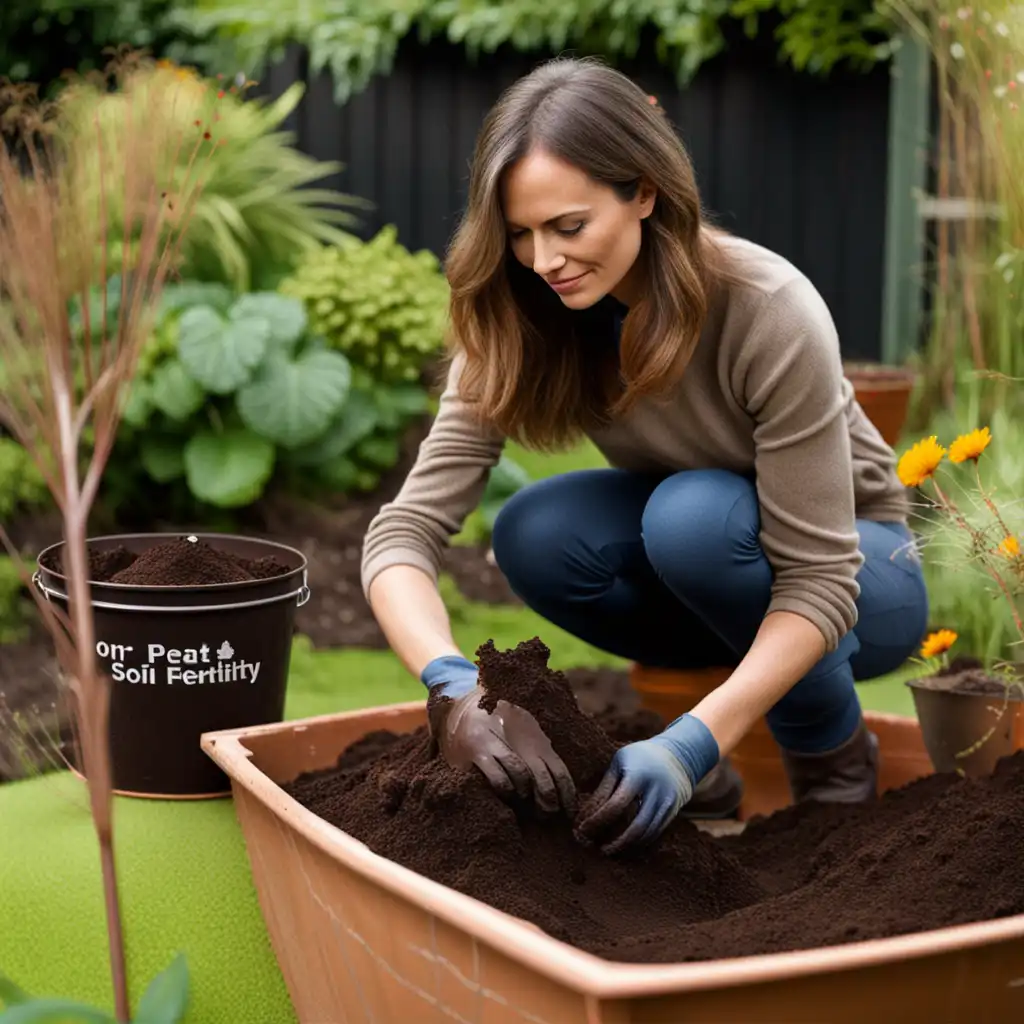
She added some peat into the garden's soil to make it more fertile.
peat
piːt
Loading…
piːt
A brown material consisting of partly decomposed vegetable matter, used as a fuel and in gardening to improve the soil.
She added some peat into the garden's soil to make it more fertile.
piːt
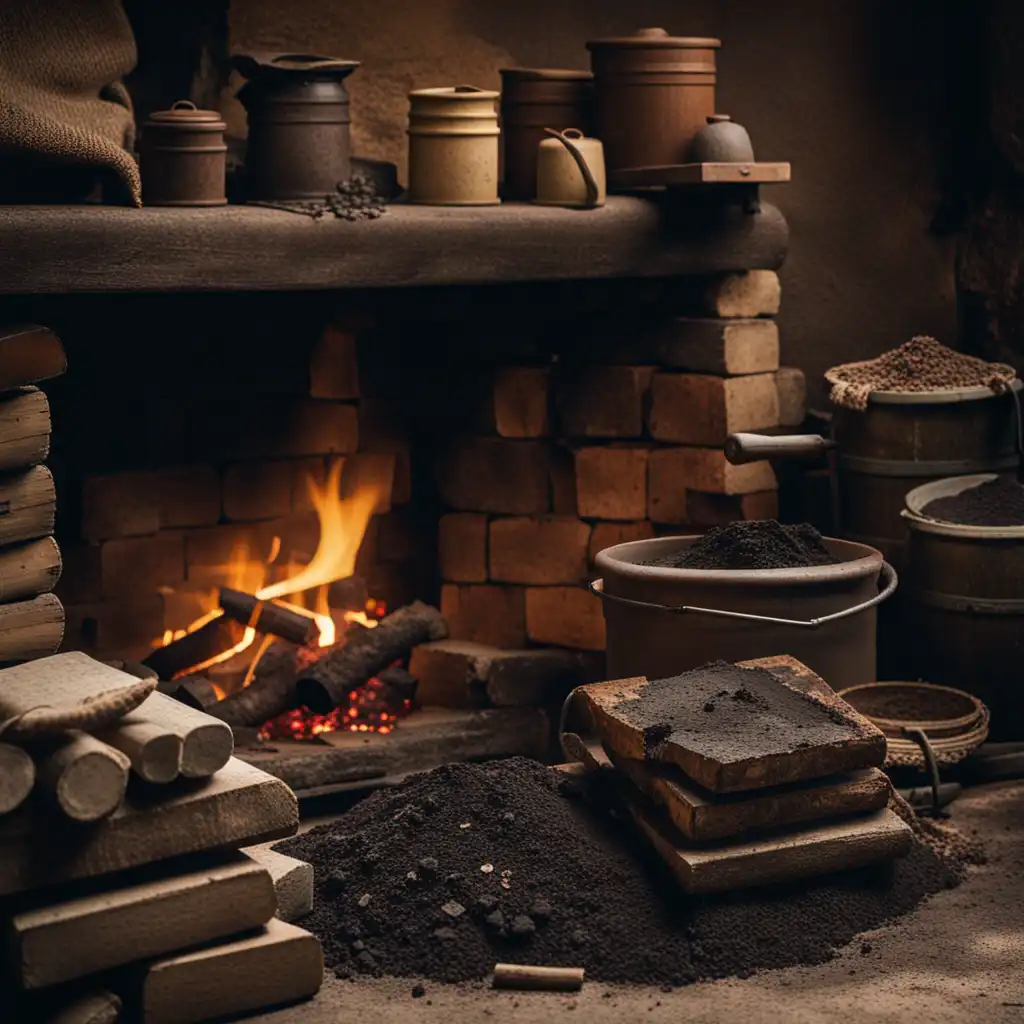
A type of soil made from decayed plants that has been compressed for many years. It is often cut out and dried for use as fuel.
In olden times, people in rural areas often used dried peat blocks as fuel for heating.
Audio could not be loaded. Please try again later.
Peat is a type of soil made up of decayed vegetation, such as dead leaves, moss and roots. It is often found in wet areas like bogs and can be used as a fuel source. Peat is also used in gardening as a soil conditioner and to aid in moisture retention.
A bog is a wetland that accumulates dead plant material, usually mosses. When the dead plant material is compressed over time, it can become peat.
Bogs are typically found in cool, wet environments and have an important ecological role in capturing carbon and supporting unique plant and animal species.
Peat is often found in areas where bogs have been drained and the peat has been mined or harvested.
A bog is a type of wetland, while peat is a soil-like material that can be found in bogs but can also be harvested and used for various purposes.
Open word: Bog →Humus and peat both refer to organic matter that accumulates in soil.
Humus is the final product of decomposed organic matter. This decomposed material is rich in nutrients and is an essential component of soil.
Humus is most commonly found in topsoil, which is the top layer of soil. This layer is responsible for supporting plant growth and retaining water.
Peat has not fully decomposed, and so it is less nutrient-rich than humus. Peat is commonly used as a fuel source and in horticulture as a soil conditioner.
Humus is a nutrient-rich material that helps support plant growth in topsoil, while peat is a less nutrient-rich material that forms in waterlogged environments and has uses in fuel and horticulture.
Open word: Humus →Marsh refers to a wetland that has grasses and reeds growing in it.
Peat can be used for fuel or as a soil conditioner in gardening, while marshes provide habitats for various species of plants and animals.
Open word: Marsh →Moss is a type of plant that grows in moist environments, typically in dense clumps or mats. It absorbs and stores water, making it useful for retaining moisture in gardens or for providing a soft surface for animals to rest on.
Moss is also used in decorative arrangements and can be found in forests or wetlands.
Peat is a type of soil or sediment formed by the accumulation of partially decayed organic matter, primarily from plant material such as moss.
So, while moss and peat are both related to plant material, they have different uses and applications. Moss is primarily used for its aesthetic appeal and water-retaining properties, while peat is a valuable energy source and soil conditioner.
Open word: Moss →Muck and peat are both types of soil, but they differ in their origin and characteristics.
Muck is a type of soil that is formed from decomposed organic matter, such as plant and animal waste. It is rich in nutrients and is often used as a fertilizer for crops.
Muck is usually found in areas like wetlands and marshes where organic matter accumulates over time.
Muck is a nutrient-rich soil formed from decomposed organic matter while peat is a carbon-rich soil formed from partially decomposed plants in waterlogged areas.
Muck is used as a fertilizer while peat is used as a fuel source.
Open word: Muck →It is used as a fuel, a soil amendment, and for horticulture. Sphagnum is a type of moss that is commonly found in wetland habitats.
It is often used as a soil amendment, particularly in gardening and horticulture. The key difference between the two terms is that peat refers to the soil type, whereas sphagnum refers to the type of moss that is commonly found in these environments.
Peat is applicable in fuel applications, while sphagnum is applicable in horticulture.
Open word: Sphagnum →Swamp refers to a wetland ecosystem wherein water is retained and slowly moves through the landscape. It is characterized by saturated soils, water-loving plants, and a unique biodiversity.
Swamps can be found in both freshwater and saltwater environments.
Peat is a specific type of soil that can be found in certain wetland environments, while swamp is a type of wetland ecosystem characterized by saturated soils and water-loving plant species.
Open word: Swamp →Peat and turf are both related to organic matter found in soil.
Turf refers to the grassy layer of soil and its roots that is cut from the ground and used as a covering for the earth.
It is often used in gardening and landscaping to create a lawn or sports field. Turf is typically harvested from meadows, fields or pastures that have been carefully maintained.
Peat is a type of soil used for fuel or soil conditioning, while turf is the grassy layer of soil used for gardening and landscaping purposes.
Open word: Turf →blink six seconds and six percent of our walk is through crops peat bugs are large stores of water and carbon and are home to special wetland wildlife
Watch on YouTube ↗In the depths of the moor, the peat may be seen riven like floes of ice, and the rifts are sometimes twelve to fourteen feet deep, cut through black vegetable matter, the product of decay of plants through countless generations.
which can help soil become more porous. Water can now seep in. If the soil doesn't have the capacity to hold water, we will mix some more biomass -- some water-absorbent material like peat or bagasse,
Watch on YouTube ↗Landscape is more than flat land covered by floodwater, the seeping of peat bogs, a river of liquid pewter viewed from a sentry tower. It's an influence on what a person values, what she is willing to sacrifice or argue for.
all the zoos in the world together just now like victims for every baby six having disappeared from the forest the deforestation especially for oil palm to provide biofuel for the Western countries is what's causing these problems and those are the peat swamp
Watch on YouTube ↗people store more carbon than any other terrestrial ecosystem on the planet so for that they are very important for the global climate regulation the peatland should not have trees on them the trees and the drainage ditches that have been plowed through the peat lines are very
Watch on YouTube ↗areas and it's quite depressing of course this is the third largest island in the world it used to be covered with dense rainforest peat swamp forests but at this rate that it has been leveled now
Watch on YouTube ↗and we're here to study the Pittman's you compare it to other soils peat is really carbon decks it's made up of partially decomposed plant material all the carbon that the plant accumulates is life it doesn't fully break down so that
Watch on YouTube ↗helping to mitigate the global effects of climate change. Thousands of tons of carbon are being sequestered by the Angolan highlands each year. But they’ve also discovered that these critical peat ecosystems are threatened by human impacts
Watch on YouTube ↗state with functioning forests grasslands wetlands peat bogs mangrove forests seagrass beds healthy ocean habitats so nature can continue providing all these wonderful benefits like oxygen flood protection coastal protection food
Watch on YouTube ↗shut the whole time no they were true in all over the place it's the first thing you learn in school drool peat rain stone yeah so I don't say UFO please don't say yes no no I had no no intention of saying you just said it
Watch on YouTube ↗will be about 3 or 4 years before it's at that peak and then peat blossom unlike any other artworks that I've made these things continuously evolved I think one of the reasons why I've been
Watch on YouTube ↗