
ransack
verb ransack
ˈrænsæk
To look through a place thoroughly but untidily, often causing damage
The burglars ransacked the house, leaving nothing untouched.
ransack
ˈrænsæk
Đang tải…
ˈrænsæk
To look through a place thoroughly but untidily, often causing damage
The burglars ransacked the house, leaving nothing untouched.
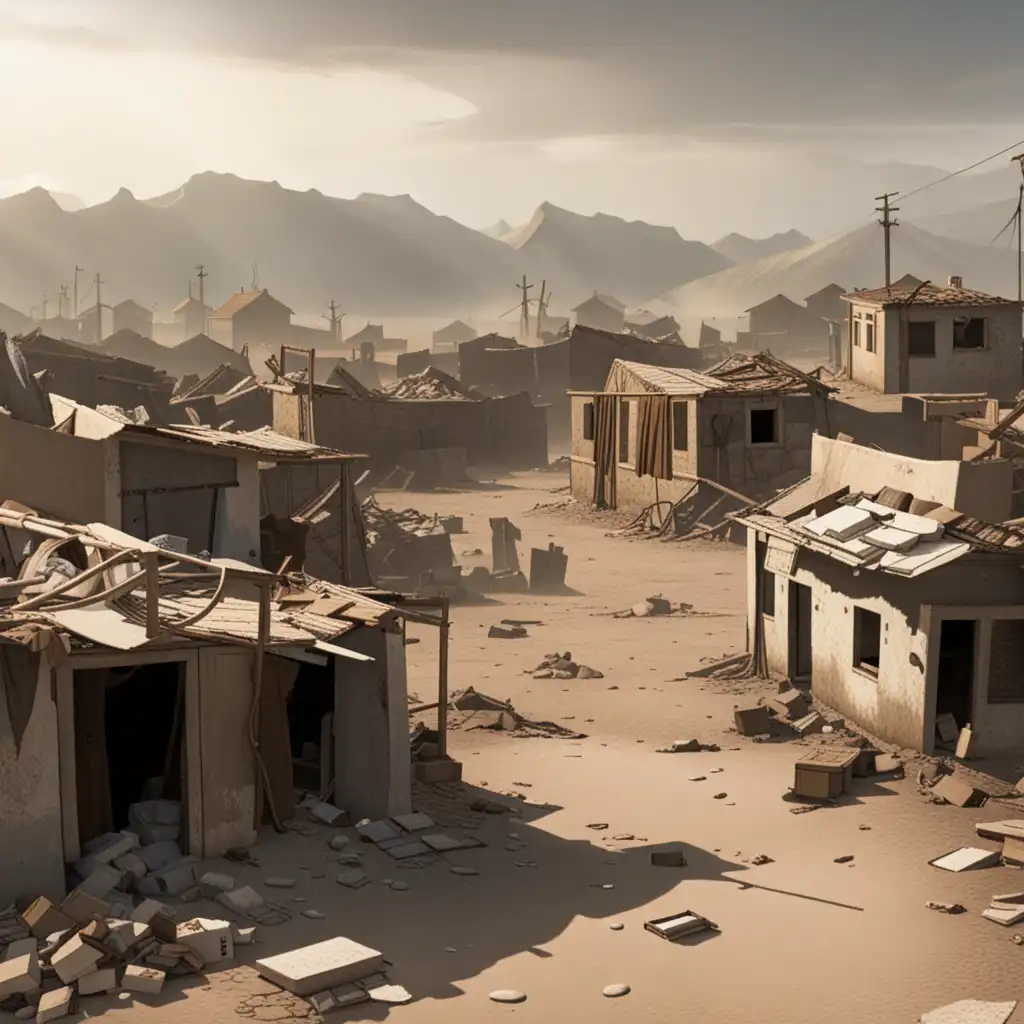
ˈrænsæk
To steal valuables by force, particularly during war
They ransacked the village and took everything valuable.
Không tải được âm thanh. Vui lòng thử lại sau.
The word 'ransack' means to search through something very thoroughly, often making a mess or causing damage. You can use it when you are looking for something and you are checking in every possible place, or when you want to describe a mess that has been made by someone searching for something. For example, "She ransacked her room looking for her missing earring" or "Burglars had ransacked the house, leaving everything in disarray."
Loot means to steal or take things forcibly from a place or person, usually during a time of chaos, war or unrest.
So, in summary, while both words refer to the act of taking things, loot refers to the act of taking things forcibly, usually during a time of unrest, while ransack refers to the act of searching a place thoroughly, often causing disorder, disarray, or destruction.
Mở từ: Loot →Both pillage and ransack refer to the act of stealing or looting during a raid or war.
However, pillage usually describes the act of stealing property, goods or valuables with the intention of making a profit or gain, while ransack typically means searching a place thoroughly, often in a destructive or violent way, in order to find something valuable or important.
For example, if a group of soldiers steal all the valuable items and furniture from a town without causing a lot of damage or making a mess, it is considered pillage.
Mở từ: Pillage →Plunder and ransack are both verbs used to describe the act of taking things that do not belong to you.
Plunder describes the act of taking things, usually valuables or goods, from a place or person by force or without permission.
For example, pirates might plunder a ship, or an army might plunder a city they have conquered.
Plunder is often associated with looting and theft.
Plunder is about taking things without permission, whereas ransack is about searching for something.
Mở từ: Plunder →Raid and ransack are both verbs that involve searching a place, but there are some differences.
Raid is typically used to describe a sudden and brief attack with the goal of seizing something valuable, such as money or goods.
For example, a group of robbers may raid a bank to steal money or a police force may raid a criminal hideout to arrest suspects.
Raid is used when the goal is to take something quickly and efficiently, often by force, while ransack is used when the goal is to search a place thoroughly and messily, often with a disregard for the damage caused.
Mở từ: Raid →Rob means to take something from someone using force or threat. This can happen on the street, in a bank, or at someone's home.
For example, if someone robs a bank, they demand money from the employees and may even use a weapon.
So, ransacking is more about searching and stealing, while robbery is about the actual act of taking something using force or intimidation.
Mở từ: Rob →Ransack implies a more thorough and destructive search or rummaging through something while sack refers to a more casual search or looting.
Ransack is applicable when someone is searching quickly and roughly through a place, breaking or damaging things in their search for something.
Sack is applicable when someone is taking things from a place in a hurried and careless manner.
Mở từ: Sack →Ransack means to search a place in a forceful and destructive way, usually looking for something specific or valuable. For example, burglars would ransack a house to find money or jewelry, leaving everything in a mess.
Search, on the other hand, means to look for something in a thorough and systematic way, without necessarily destroying or disturbing anything.
For example, police may search a suspect's property for evidence, but they wouldn't ransack it unless they had reason to believe something was being hidden.
Search is applicable when looking for something within certain limits and there's no need to destruct. Ransack is only applicable in situations where there is a need to destruct, and search thoroughly to find something specific or valuable.
Mở từ: Search →Strip means to remove all or most of something, leaving it bare or empty.
For example, "The workers stripped the wallpaper from the walls to prepare for painting."
Mở từ: Strip →Matthieu Ricard: How to...
Xem trên YouTube ↗God's Thieves %\PIPE% Saints &...
Xem trên YouTube ↗TED2014 in review %\PIPE%...
Xem trên YouTube ↗