
excoriation
noun excoriation
ɪkˌskɔːriˈeɪʃn
A word meaning strong criticism or disapproval
The president's policy was met with public excoriation from the opposition party.
excoriation
ɪkˌskɔːriˈeɪʃn
Đang tải…
ɪkˌskɔːriˈeɪʃn
A word meaning strong criticism or disapproval
The president's policy was met with public excoriation from the opposition party.
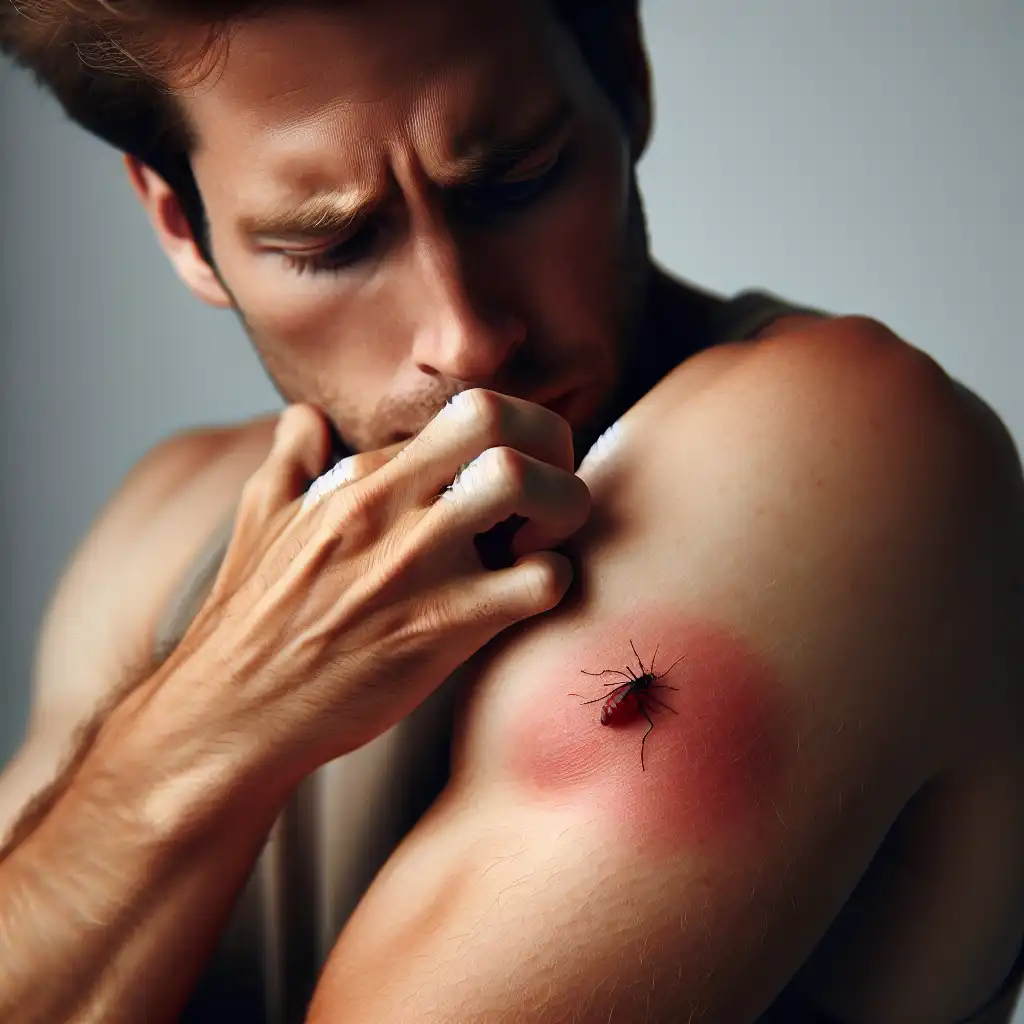
ɪkˌskɔːriˈeɪʃn
A skin sore caused by scratching
He had a painful excoriation on his arm from scratching the mosquito bite.
Không tải được âm thanh. Vui lòng thử lại sau.
The word 'excoriation' means to scratch or scrape off a layer of skin. It is often used in medical or dermatological contexts to describe skin injuries caused by scratching, rubbing, or picking. For example, a person with eczema might have excoriations on their skin from scratching it. It can also be used more generally to describe severe criticism or harsh words that feel like they are exposing one's faults or weaknesses.
An abrasion refers to a wound or injury caused by rubbing, scraping, or friction against a rough or hard surface. For example, if you fall and scrape your knee on the pavement, you may get an abrasion.
Abrasions are common outdoor injuries, and they can be mild or severe, depending on the circumstances.
Abrasion refers to a physical injury caused by rubbing against something, while excoriation refers to a lesion caused by scraping or scratching the skin.
Abrasions are common outdoor injuries, whereas excoriations may be indicative of an underlying psychological or emotional issue.
Mở từ: Abrasion →Erosion refers to the gradual wearing away or destruction of something, such as soil or rock. It often happens due to wind, water, or other natural forces.
Essentially, erosion is a process that affects non-living things, while excoriation is an injury that affects living things (specifically, the skin).
Mở từ: Erosion →Excoriation refers to a superficial wound or injury that is caused by scratching, scraping or rubbing the skin. It typically involves the removal of the top layer of skin, which can result in redness, swelling or bleeding.
Excoriations are often the result of self-inflicted injuries or repetitive behaviors, such as biting or picking at the skin.
Injury encompasses a broad range of physical damage to the body, including cuts, bruises, fractures, sprains, burns, and more.
Unlike excoriations, injuries can be caused by a variety of factors, including accidents, trauma, and physical altercations.
In short, excoriations are a type of minor skin injury that is typically caused by scratching or rubbing, while injury refers to any physical harm or damage to the body caused by a variety of factors.
Mở từ: Injury →Irritate means to cause discomfort, annoyance or inflammation to the skin. It refers to a milder reaction, such as itching or redness.
Irritate is a more common and general term that can be used in everyday language to describe minor skin discomfort or annoyance.
Mở từ: Irritate →A rash is a broad term used to describe any change in the skin's appearance, such as redness, swelling, blotchiness, or bumps.
Rashes can be caused by a wide range of factors, including allergies, infections, and skin irritation from chemicals or environmental factors.
Excoriation refers to a specific type of skin injury caused by rubbing or scratching, while a rash is a general term used to describe any abnormality in the appearance of the skin.
Mở từ: Rash →You might get an excoriation from scratching too hard, rubbing your skin too vigorously, or from contact with an irritant.
Scratch refers to the act of using your nails or an object to make a light mark or cut on a surface. You might scratch an itch, scratch a mosquito bite or scratch the surface of a table.
Excoriation is a medical term for a skin injury that involves the removal of the top layer of skin. Scratch is an ordinary term used to describe a light mark or cut on a surface regardless if it is on the skin or on any object.
Mở từ: Scratch →Ulcerate refers to a type of injury or damage that involves the formation of an open sore on the skin or mucous membrane which does not heal quickly, caused by infections or other diseases.
Excoriation applies to superficial wounds or abrasions, while ulcerate applies to deeper and more serious injuries, often resulting from underlying medical conditions.
Mở từ: Ulcerate →It is typically a minor injury that doesn't bleed much or at all. Wound refers to any injury that breaks the skin and may include a deeper cut or laceration that bleeds.
Wounds may be caused by a variety of things such as accidents, cuts, burns, or medical procedures. Excoriation usually describes minor skin injuries, whereas wound is more general and applies to any skin injury that breaks the skin.
Mở từ: Wound →