uptake
noun uptake
ˈʌpteɪk
The action of taking in something, usually by living things or systems.
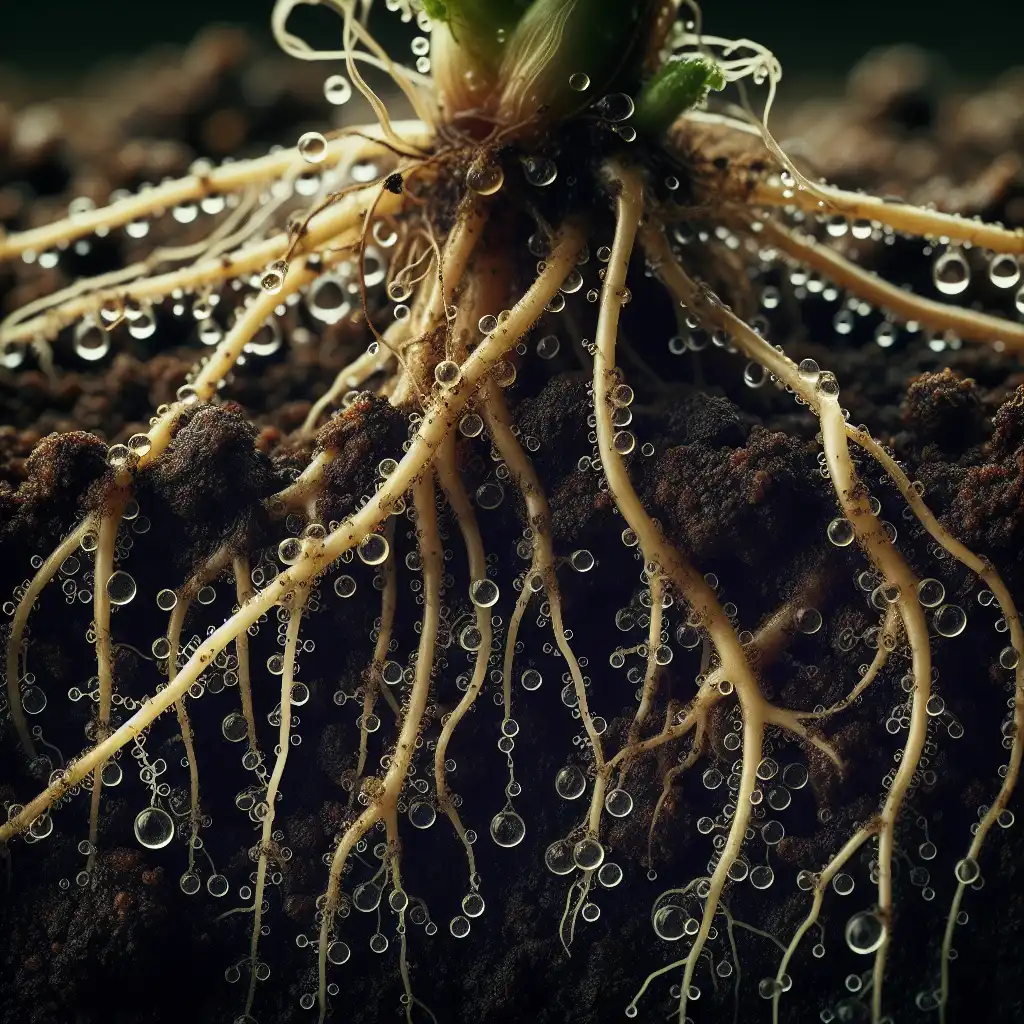
Plants have the mechanism for the uptake of water from the soil.
uptake
ˈʌpteɪk
Loading…
ˈʌpteɪk
The action of taking in something, usually by living things or systems.
Plants have the mechanism for the uptake of water from the soil.

ˈʌpteɪk
The process or rate at which a system or group starts to use something new or recently introduced.
The uptake of new technology has been slow in underdeveloped countries.

ˈʌpteɪk
A mechanism of transport or absorption into a cell or across a tissue or organ.
The drug increases dopamine uptake in the brain.

ˈʌpteɪk
The act or process of learning, understanding, or retaining information.
Students have a better uptake of information when the teaching is interactive.

ˈʌpteɪk
A response to a joke or a humorous remark or situation.
I cracked a joke but there was no uptake from the audience.
Audio could not be loaded. Please try again later.
The word 'uptake' is usually used to describe how well something is being absorbed or taken in. For example, when talking about medicine, we might ask how quickly the body is able to uptake, or absorb, the medication. When talking about learning, we might discuss how much uptake, or understanding, a student has demonstrated. Overall, 'uptake' is used to describe the level of absorption, understanding, or acceptance of something.
Absorption refers to the process of taking in or assimilating a substance from the environment, such as nutrients from food being absorbed into the body.
Absorption applies to the intake of substances from the environment, while uptake applies to the intake of substances that are already present in the environment.
Open word: Absorption →Assimilate means to absorb or integrate something new into an existing system or culture.
It is often used to describe the process of adapting to a new environment or culture, such as immigrants assimilating to a new country.
So, while assimilate is applicable in social and cultural contexts, uptake is typically used in scientific and biological contexts.
Open word: Assimilate →Consumption refers to taking in or using up something, usually as food or drink or purchasing. For example, when you eat a sandwich, you are consuming it.
Consumption is mostly used in the context of using something up or purchasing something, while uptake is mainly used in the context of absorbing or taking in something, such as nutrients or oxygen.
Open word: Consumption →Utilize means to make use of something.
It is used when describing how something is being used or implemented. For example, a company may utilize a new technology to improve their production processes.
Uptake refers to the amount of something taken in or absorbed, while utilize refers to how something is being used or put into action.
Open word: Utilize →The power of women's...
Watch on YouTube ↗The Internet, the camera cellphone and the like have not only sped up the world's information uptake, but they have cheapened that which they capture.
Experiments that hint of...
Watch on YouTube ↗I woke up one morning to an email from my friend Alex that said she'd had her bag stolen. Ordinarily, I'm quite quick on the uptake, but - maybe because of the way it was worded - I immediately replied, 'What??????' As soon as I hit send, I realised I was being scammed. But then they replied, and I thought, 'Well, why not?
The future of...
Watch on YouTube ↗The uptake on mobile phones in Africa is phenomenal.
Gary Wolf: The...
Watch on YouTube ↗I'm slow on the uptake about things. I didn't understand that the first Wu Tang album was great when I first heard it.
Amory Lovins: We must...
Watch on YouTube ↗The uptake of people getting involved in cycling is partly down to the big success the team has had in the Tour de France, the Olympics and the World Championships.
John Gerzema: The...
Watch on YouTube ↗How work kept me going...
Watch on YouTube ↗What you should know...
Watch on YouTube ↗Rory Sutherland: Sweat...
Watch on YouTube ↗Gary Slutkin: Let's...
Watch on YouTube ↗