dispersion
noun dispersion
dɪˈspɜːrʒn
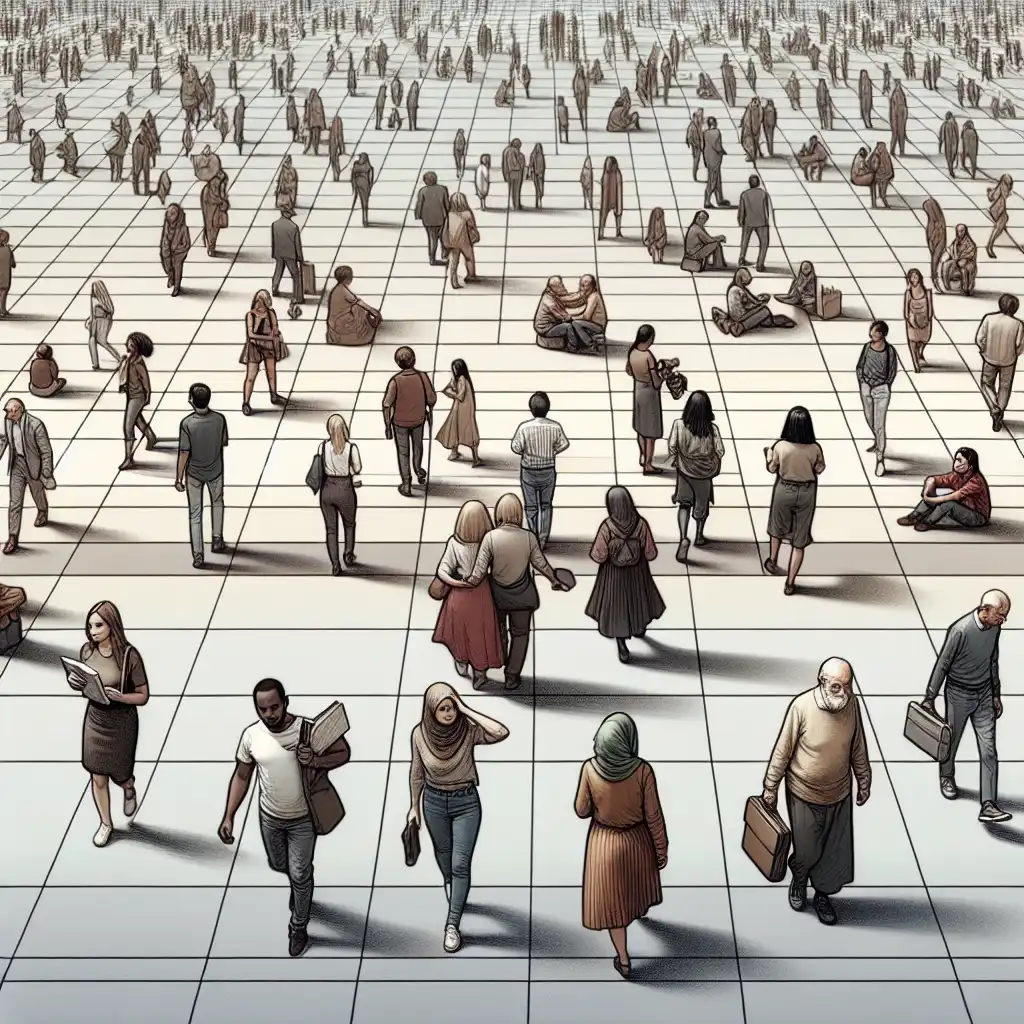
The action or process of spreading things or people over a wide area
The dispersion of the crowd took a couple of hours.
dispersion
dɪˈspɜːrʒn
Đang tải…
dɪˈspɜːrʒn
The action or process of spreading things or people over a wide area
The dispersion of the crowd took a couple of hours.
dɪˈspɜːrʒn
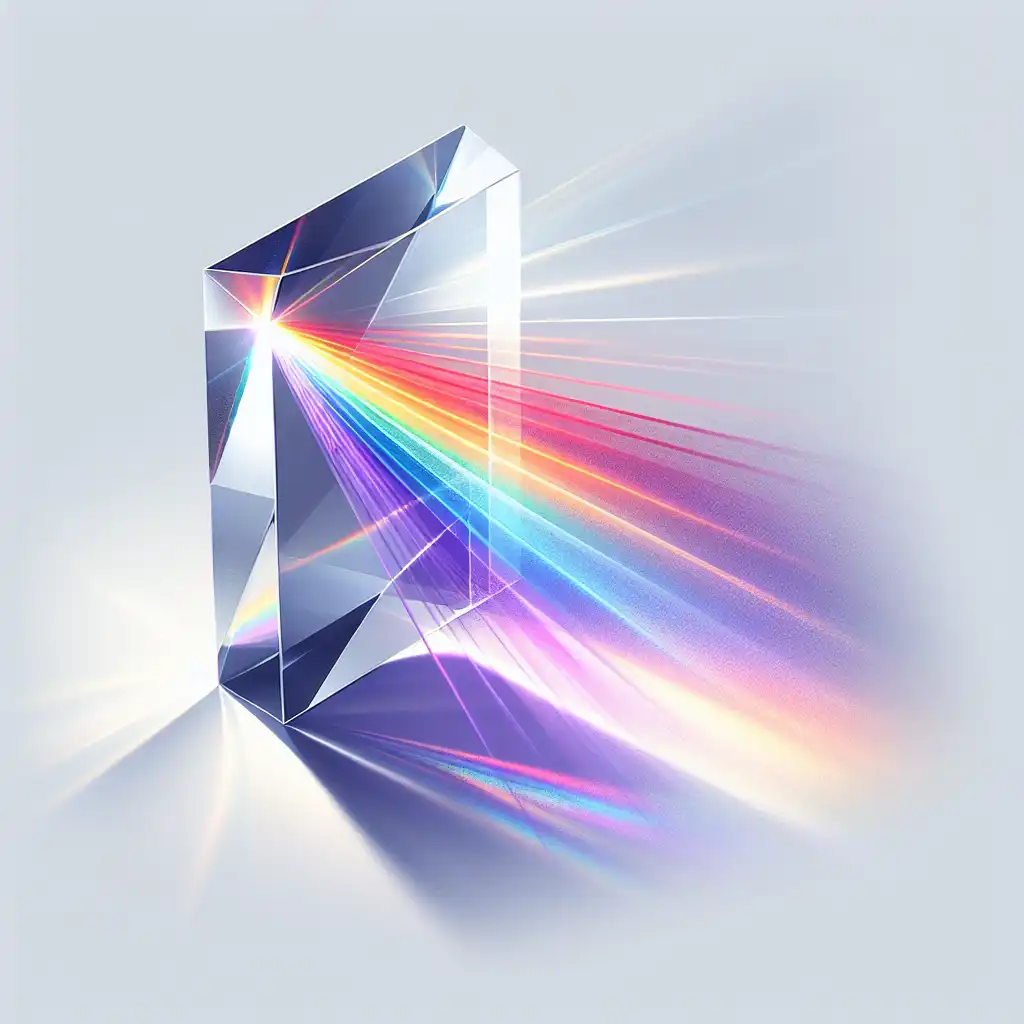
In physics, it is how a wave changes speed and bends when it passes from one medium to another
In a prism, the dispersion of light causes a rainbow effect.
dɪˈspɜːrʒn
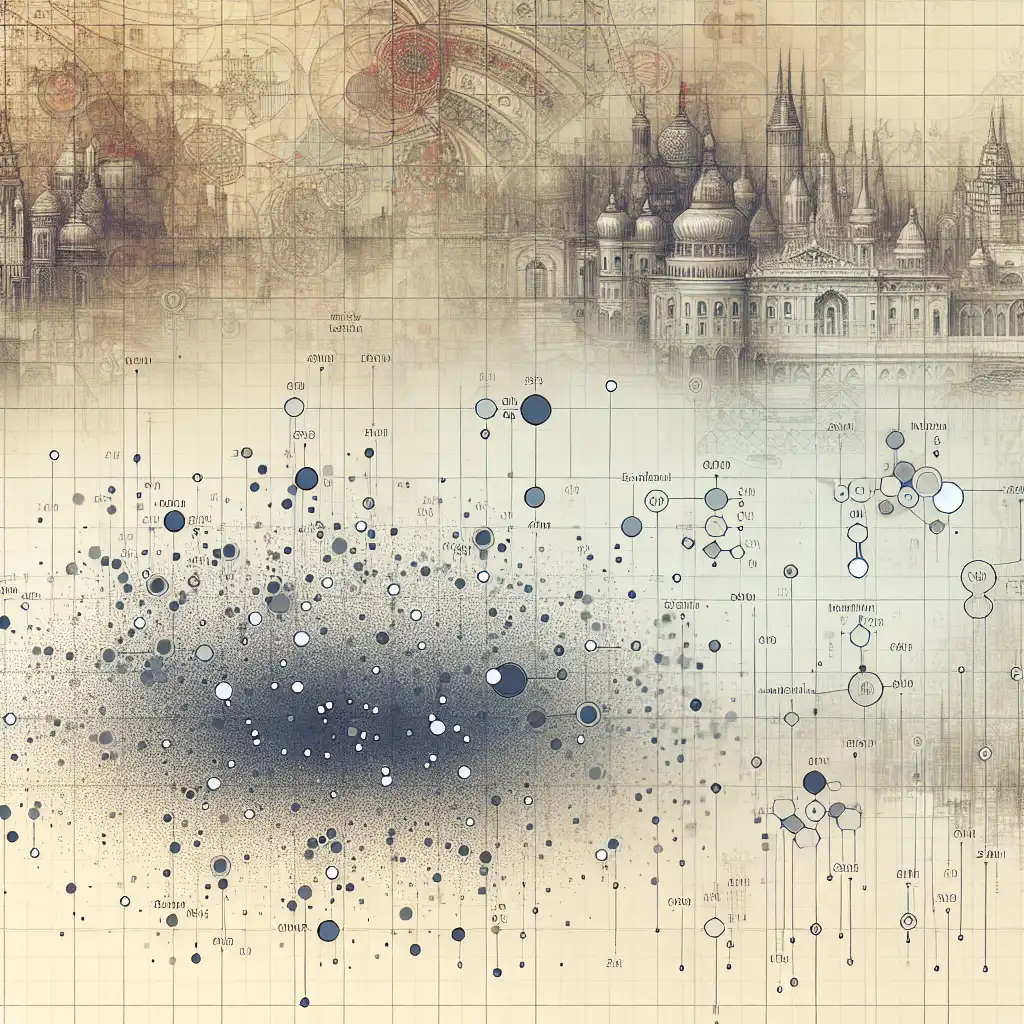
The pattern of distribution of data values in a dataset
The dispersion in the data was calculated to understand the variability.

dɪˈspɜːrʒn
The process of sprinkling something around an area
The dispersion of the seeds was done by the wind.

dɪˈspɜːrʒn
The scattering of a group of people, causing them to leave and go in different directions
Post the concert, the dispersion of the crowd was smoothly managed by the volunteers.
Không tải được âm thanh. Vui lòng thử lại sau.
The word 'dispersion' is used to talk about the spread or distribution of things. For example, if we say that a crowd is dispersing, it means they are breaking up and going their separate ways. Similarly, dispersion can refer to the way light or sound is spread out. In chemistry, dispersion is used to describe the way particles are spread out in a mixture. So, the word dispersion is used to talk about how things are spread out or distributed in different contexts.
Diffusion refers to the spread of particles from an area of high concentration to an area of low concentration. For example, when sugar is added to a cup of coffee, the sugar particles will diffuse from the area where they were added to other parts of the coffee.
Diffusion refers to the movement of particles from high concentration to low concentration, while dispersion refers to the distribution of particles throughout a medium.
Mở từ: Diffusion →Dispel means to drive away or remove something, typically a feeling or belief. For example, you can dispel someone's fears or doubts by providing reassurance or evidence.
Dispel is used to talk about getting rid of something intangible like a belief or emotion, while dispersion describes the spreading out of physical particles or substances.
Mở từ: Dispel →Dispersal refers specifically to the movement of living things from one area to another. This can include animals moving to new habitats or plants spreading seed to new locations.
Dispersal is a term used in biology and ecology, and it focuses on the movement of living things.
To summarize, dispersion refers to the spreading of things, while dispersal specifically describes the movement of living things.
Mở từ: Dispersal →Disseminate refers to the spreading of information, ideas or opinions to a wider audience.
Dissemination can also refer to the spread of a disease, where the focus is on the transmission of a harmful agent.
Dispersion is more related to physical objects while dissemination is related to information or ideas.
Mở từ: Disseminate →Dispersion refers to the spreading out of something, while dissipate refers to the breaking apart or fading away of something.
Dissipate could refer to the way a cloud of smoke dissipates into the air or the way heat dissipates over time in a room.
It can also refer to the way a person's anger dissipates after they have had time to cool down.
Dispersion refers to the physical spreading out of something, while dissipate refers to something fading away or breaking apart over time.
Mở từ: Dissipate →Both dispersion and radiate refer to spreading out, but they are used in different contexts.
Radiate refers to the spreading out of energy or heat in all directions from a central point.
Dispersion is used when talking about the spreading out of particles or light, while radiate is used when talking about the spreading out of energy or heat.
Mở từ: Radiate →The words dispersion and scatter both describe the spreading out of something.
Scatter refers to the spreading of light or sound waves as they bounce off or pass through certain materials, like air or water.
For example, sunlight gets scattered by the atmosphere, which makes the sky look blue.
Dispersion is applicable in areas of chemistry and physics, while scatter applies to areas like optics and acoustics.
Mở từ: Scatter →Dispersion refers to the way things are spread out over a certain area or distance. For example, if we talk about the dispersion of light, we mean the way light spreads out as it passes through a medium.
Spread refers to the extent or range of something. For example, if we talk about the spread of a disease, we mean how many people it has affected and how far it has spread.
Dispersion refers to how things are spread out, while spread refers to the extent or range of something. Each word is applicable in different contexts depending on the situation being discussed.
Mở từ: Spread →The wildly complex...
Xem trên YouTube ↗The problem that people don't understand is that active managers, almost by definition, have to be poorly diversified. Otherwise, they're not really active. They have to make bets. What that means is there's a huge dispersion of outcomes that are totally consistent with just chance. There's no skill involved it. It's just good luck or bad luck.
Srdja Popovic: How to...
Xem trên YouTube ↗Even before I came to Chicago, I had gotten interested in the existence of dispersion of prices under conditions which economic theory said would yield a single price.
Inequalities of wealth lead to a dispersion in wealth for all.
We have seen an unprecedented dispersion of authority, such that 'a person like you' is now one of the most credible spokespersons on business, along with technical and academic experts.
David and his followers taught no new doctrines, in their dispersion or when they came to power, that can be brought to countenance thee at all in shaving off thy beard.
I may write about place and displacement, but what I'm really writing about is dispersion, evasion, ambivalence: not so much a subject as a move in everything I write.
My job is just to be more consistent and if I can keep being more repeatable, have my dispersion be a little less as I'm hitting it farther, there's a lot of strokes to be gained there.
Knowledge is not simply another commodity. On the contrary. Knowledge is never used up. It increases by diffusion and grows by dispersion.
The concept of graphene came along in 1947, but nobody paid much attention to it. I was fascinated because it had a linear E versus K while everything else that people were working on at that time had a quadratic dispersion relationship. I wondered why this was and what was so special about it. That was my fascination.